
Loading article...
Slot ID: blog-post-top
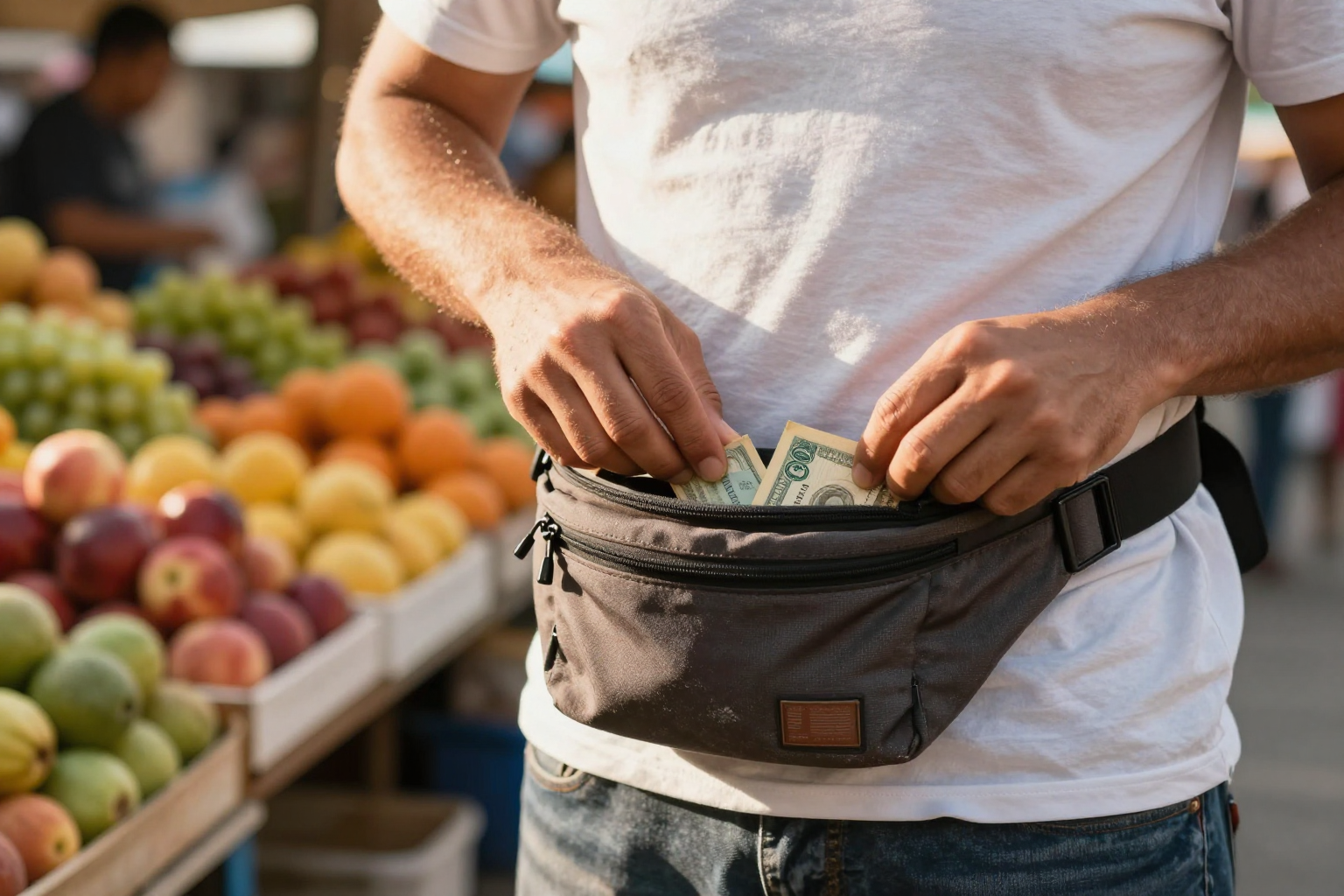
Standing in an airport terminal, staring at a shimmering exchange-rate board, is never the right time to start guessing. The number in bright green might look decent, but by the time you hand over your cash, commissions, margins and “service charges” have quietly eaten into the total. Currency exchange is a game of trade-offs, and the option that best suits a long weekend in Lisbon is rarely the same one you’d want for a six-month working stint in Tokyo.
In this guide, we’ll break down the main ways to convert your money, weigh the pros and cons, and help you decide when to use each one. No jargon, just numbers and honest advice.
Most people’s first instinct is to walk into their own bank or credit union and order foreign cash. There’s a logic to it: you trust the institution, and you can collect the money before you fly. But trust rarely comes cheap. Banks typically mark up exchange rates by 3% to 5% above the mid-market rate, then add a flat currency exchange fee for each order. If you’re converting $500 into euros, you might lose $25 to $30 before you even leave the branch.
Banks also have an annoying habit of offering different rates depending on where you ask. The rate printed at the teller window is often worse than the one you get by using the bank’s online currency exchange service. And if you walk in without an account, expect an even larger spread.
That said, a bank can make sense if you need a guaranteed amount of cash before a trip and you have time to compare. Just treat it as a convenience fee. If you want to avoid the worst pitfalls, our step-by-step guide to exchanging foreign currency without overpaying walks through the questions to ask and the numbers to compute.
Airport kiosks are the equivalent of buying a bottle of water in a theme park. The exchange rates are terrible because the kiosk pays sky-high rent for that prime departure-hall spot. A typical kiosk might quote a rate 4% to 7% off the mid-market rate, and then add a flat commission on top. The worst part? The rate board you see often doesn’t include the fee, so the actual amount you receive can be a rude surprise.
Let’s put numbers on it. Say you need €500 for your first few days. At the mid-market rate of 1.08, that costs $540. A kiosk might charge $565 for the same amount, a difference of $25. On top of that, many kiosks add a €5 or €10 flat commission, pushing your true cost even higher.
If you must use an airport kiosk, trade only the minimum required for a taxi and a coffee, then head to an ATM in the arrivals hall. And if you have time to plan ahead, our step-by-step guide to finding a local money exchange near you is a far cheaper route.
For larger amounts, online money transfer services are a game changer. Services like Wise, Revolut and PayPal (to a lesser extent) use the real market rate and then charge a transparent percentage fee. On a $2,000 transfer, you might pay $10 to $20 in fees, whereas a bank would take $60 to $80 as a margin. If you’re paying for a holiday rental, a course fee, or a car purchase abroad, this is where currency exchange on the internet shines.
These services aren’t instant, though. They require identity verification, and transfers can take one to three business days to land. You’ll also need a bank account and a reliable internet connection. But the savings are undeniable, especially on larger sums.
If you’re thinking about using Wise, our guide to Wise money transfer shows you how to set it up and avoid the common hang-ups.
Once you land, the local ATM becomes your best friend. Using a debit card at a bank-affiliated ATM usually gives you the interbank exchange rate, plus whatever fee your home bank charges. Combined, these fees are often still less than the margin a kiosk takes.
The trap is dynamic currency conversion (DCC). That scary prompt on the ATM screen asks if you want to be charged in your home currency. Always tap “No” or “Use local currency.” If you accept, the ATM operator sets the exchange rate, and it’s almost always 4% to 8% worse than the market rate. You’ll also see this prompt in shops when you pay with a card.
To keep costs down, use a debit card with no foreign transaction fee, withdraw a larger amount in a single go to limit per-transaction fees, and avoid standalone ATMs that advertise “low rates” at tourist hotspots. For a walkthrough on finding a fair exchange counter, our currency exchange near me guide provides a checklist you can follow in any city.
A travel credit card with no foreign transaction fees can be your lowest-cost option for everyday purchases. Many reputable cards like the Chase Sapphire Preferred or Capital One Venture use the Visa/Mastercard exchange rate, which sits only 1% to 2% off the mid-market rate, and they don’t add a fee on top. That beats just about everything except a perfect interbank rate.
But credit cards come with warnings. Some cards charge 2% to 3% as a foreign transaction fee, which is tacked onto every swipe. Also, using your credit card to withdraw cash at an ATM is a terrible idea: you’ll get charged a cash advance fee, interest from the moment you withdraw, and possibly a worse exchange rate.
If you have the right card, though, you can pay for almost everything with it and save a significant amount of money. Carry a bit of cash for small purchases and you’re set.
Prepaid travel cards let you load a specific currency in advance at an exchange rate fixed at the time of loading. That can be a blessing if you expect rates to move against you, but it’s just as often a curse. If the rate improves, you’ve already missed out. And the fee structure is often a minefield: activation fees, ATM fees, reloading fees, and sometimes a fee just to check your balance.
Prepaid cards can be useful for a strict budget or for keeping your main bank account isolated from theft, but they rarely deliver the best exchange rate. The same security can be achieved with a credit card and a separate debit card in your hotel safe.
Weigh these cards carefully. The convenience of a pre-loaded amount might be worth the fee to some, but it’s not a cost-efficient choice for most travelers.
There’s no single “best” way to handle currency exchange because your method depends on your destination, trip length, and spending habits. Here’s a simple framework to decide:
The best currency exchange strategy is the one you plan before you leave your front door. Rate boards and apps are useful, but they only matter if you know which method you’re using and what it really costs. A few minutes of comparing now can save you enough to pay for that upgrade on the way home.
Slot ID: blog-post-bottom