
Loading article...
Slot ID: blog-post-top
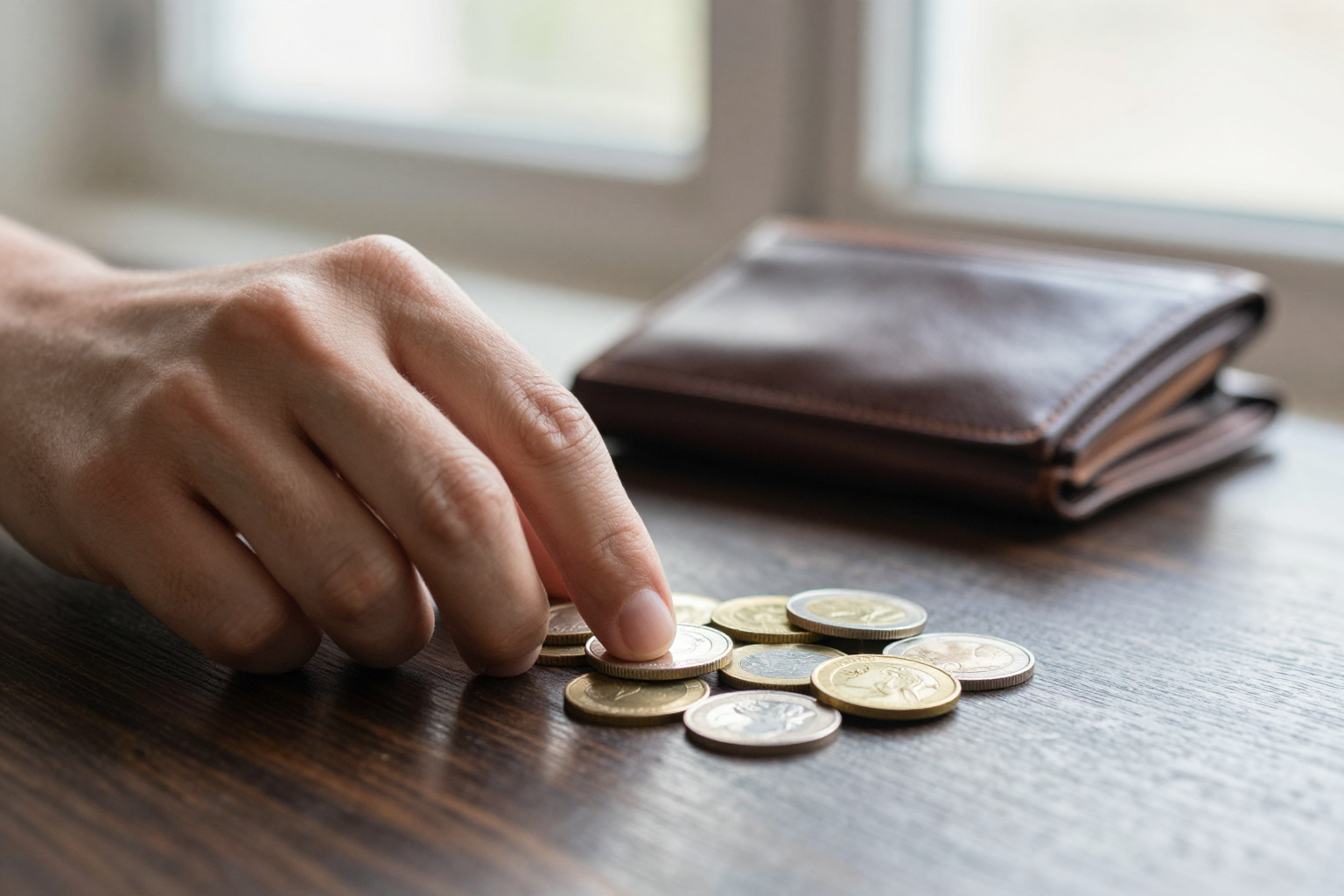
When you exchange money, the easiest way to lose money is to believe the numbers you are handed. Not because the cashier is lying, but because the real cost of money exchange rarely sits on the price board. You have to look at the collection of fees, markups and convenience choices to see it. Fortunately, these losses are avoidable once you know where they hide.
Below are six money exchange myths that cost travellers and remote workers real money, followed by a simple comparison checklist you can use anywhere.
Online currency converters show the mid-market rate, which is the wholesale number banks use between themselves. Individuals rarely see that exact figure. An exchange office has two rates: the rate at which it sells foreign currency to you and the rate at which it buys foreign currency back from you. The gap between them is called the spread.
The spread is how the provider gets paid. On a normal high-street cash exchange it might be 1-4%. At an airport kiosk it can be 8% or more. If you convert leftover cash at the end of your trip, you pay the spread again because you are now on the other side of that same price.
Always check the actual rate applied to your transaction against a live mid-market quote. If the spread is wider than what an honest provider offers, walk away. This breakdown of currency exchange traps shows where those costs tend to hide.
A 'no commission' window is a marketing board. It draws your eye to the word free while the exchange rate is adjusted to make up for it. A 3% wider spread can cost you far more than a 1% fee. You are still paying; the charge is simply folded into the exchange rate.
Ask what buy rate and sell rate you will get. For larger amounts, ask for the total cost in your own currency. If you want to avoid the same mistakes, looking at everyday currency exchange mistakes travellers make is a quick way to spot patterns before you are at the counter.
Even banks with free domestic withdrawals charge for ATM use in another country. You may see a flat fee of £1.50 or 2% of the amount, plus any charge added by the owner of the foreign ATM. A €200 withdrawal from a third-party terminal on a Spanish beach can set you back €6 without a single warning screen.
If you travel often, the cheapest workaround is a travel card designed to reimburse international ATM fees. Don't assume your everyday bank account gives you the same treatment.
When a credit card machine overseas asks whether you want to be charged in your home currency or the local one, selecting home currency is rarely the smarter move. That payment goes through a service called dynamic currency conversion, and the rate is set by the shop or its bank. It is typically 3% to 5% worse than what your card network would use.
Choose 'local currency' whenever you're asked. Your card company will still convert the transaction, but at a much fairer exchange rate.
Nearby doesn't mean cheaper. A kiosk in the arrivals hall or the hotel lobby is paying rent for that position, and that rent is passed to you through a wider currency spread. We compared those numbers in detail in our analysis of whether money exchange near me is ever your best deal. The short answer: usually not, unless you are in a pinch.
Open your map app and walk one or two blocks away from the tourist drag. You can often cut the margin by half. Still, don't rely on gut feel. Compare the actual rate before you hand over any cash.
A bank is not your friend when you're sending money abroad. It charges a transfer fee, then hides another margin in the exchange rate. This is why the total cost of $2,000 sent through a high street bank can easily be $30 to $60 more than the mid-market rate. If you need to move money across borders, common myths about international money transfer fees explain what banks don't show you.
When you switch to a specialist like Wise, you still need to read the fine print. Incorrect bank details and wrong reference numbers are among the mistakes that quietly eat away at your Wise transfer. Check every detail before you click send.
No matter how you exchange currency, use this simple set of checks before you commit:
Thirty seconds of checking can save you hundreds of pounds over a year of travel or international payments. The more you compare, the less likely you are to hand your money to someone whose only real advantage is that they happened to be closest to you.
Slot ID: blog-post-bottom