
Loading article...
Slot ID: blog-post-top
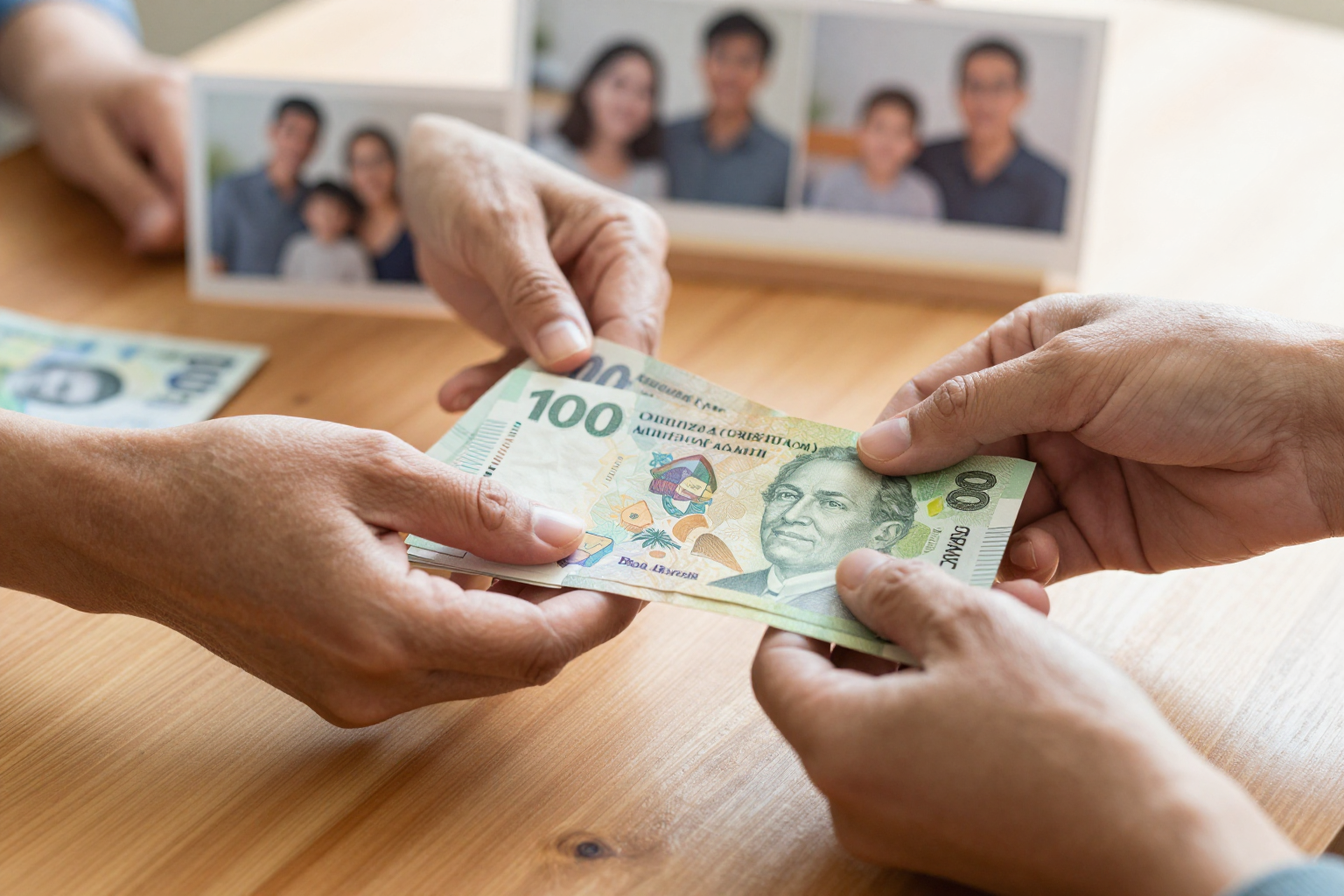
Every year, billions of dollars cross borders as people pay family, buy property, or settle invoices. Yet most of those transactions carry an invisible surcharge. It isn't a mystery fee or a tax; it's a combination of myths and mistakes that inflate the real cost of international money transfer. This article strips away the confusion and shows you how to keep more money in the recipient's pocket.
When you check the exchange rate on any bank app, you're usually looking at the interbank rate. That's the rate banks trade with each other in bulk. Retail customers rarely get it. Instead, the provider adds a markup hidden inside the displayed rate. For a $1,000 transfer, a 2% markup means $20 gone before the money even moves.
Many people never notice because the bank shows a rate without explaining how far it is from the mid-market benchmark. If you've been relying on "foreign currency exchange" at your high-street bank, check the markup against the current mid-market rate. Sometimes it's as high as 4% or more. Our article on currency exchange mistakes outlines seven specific ways this quietly eats away at your money.
"Zero transfer fees" is a classic bait. The fee is only one part of the equation. A provider that charges no fee might compensate with a poor exchange rate that is 3% away from the market rate. Another provider might charge a small fee but give a rate within 0.5% of the mid-market rate. For a $1,000 transfer, the "zero fee" option could end up $25 more expensive.
To avoid this mistake, always calculate the total cost in the currency you're sending. Here's what you need to compare:
If you're curious how different services stack up, our cost comparison between Wise, banks, PayPal, and Western Union shows exactly where the money goes on a typical transfer.
It's easy to assume that having a bank guarantee behind a transfer means more security. But regulated non-bank payment institutions are just as accountable. They're licensed by financial authorities, keep client funds in segregated accounts, and undergo rigorous audits. The real risk comes from unregulated services, not from smaller regulated ones.
This myth costs you. Banks have to maintain physical branches and legacy systems, and they pass those costs to you in the exchange rate. On a $2,000 transfer, a bank's 4% markup could leave the recipient $60 short compared with a specialist charging 0.6%. If you still walk into a local branch to send money, you're paying for the convenience of a building. Our guide to money exchange near me explains why that nearby location may be the most expensive option you have.
You can do everything right on your side and still see the recipient get less than expected. That's because international transfers often pass through correspondent banks, and each may deduct a handling fee. Depending on how the transfer is arranged, those charges might come out of the amount you send or be taken directly from the recipient.
Always ask the provider about the fee sharing structure. Options like OUR, SHA, and BEN determine who ultimately pays the correspondent bank charges. For a family member living on a tight budget, one $15 deduction could be the difference between covering rent and falling short. It's one of the trade-offs that decide how much cash you actually get, as highlighted in our breakdown of money exchange trade-offs.
Rushing an international money transfer is rarely necessary, yet many people automatically choose the "instant" option. That convenience typically adds $10 to $30 to the cost. If you're sending a monthly allowance or paying an invoice that isn't due for a week, the standard 2-3 day transfer works just as well and leaves more money in the recipient's hands.
Speed becomes worth the premium only when a deadline matters. Buying a property, paying a tuition fee, or covering an emergency are all cases where speed wins. The key is to match the delivery speed to the actual need. For a detailed look at how delivery time and cost interact, compare the foreign exchange options available to you across cash, cards, and digital services.
Most people assume the rate is set the moment they click send. For a spot transfer, that's true. But if you're moving a large sum or paying an invoice next month, you can lock in a rate today with a forward contract. This shields you from currency swings, which can easily wipe out a 1% markup saving in a single weekend.
Limit orders are another underused tool. You set a target rate, and the provider automatically executes the transfer when the market touches it. That way you don't have to obsess over charts. Banks generally don't offer these features to personal customers, but specialist services do. If you're sending more than a few thousand dollars, taking a minute to set a rate target could net you more than any cashback offer.
Transferring money abroad doesn't have to feel like a leap of faith. Once you stop believing the marketing lines and start comparing the real numbers, a simple rule appears: look at the exchange rate before you look at the fee. That single habit transforms how much your recipient ends up with.
Slot ID: blog-post-bottom