
Loading article...
Slot ID: blog-post-top
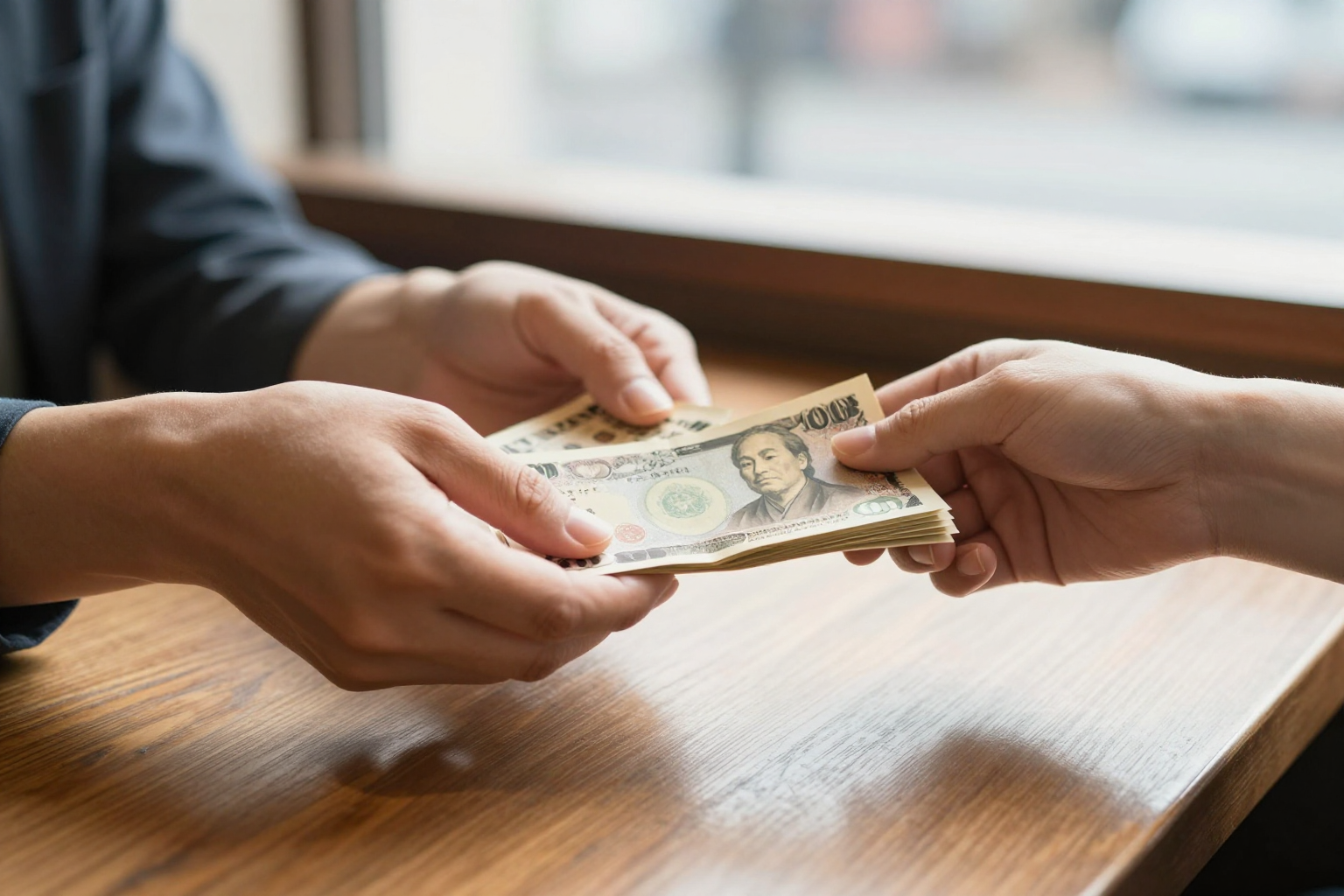
Somewhere around $7.5 trillion changes hands in the foreign exchange market every day, and the yen-dollar pair sits near the middle of it. When traders talk about JPY USD, they mean the number that decides how much your Tokyo hotel room costs, how much a Japanese carmaker earns on a US sale, and whether a leveraged fund is having its best quarter or its worst week.
It's also one of the most misread quotes on any screen, largely because the yen is usually written the other way around. Get the direction wrong and you'll misjudge every headline for a year.
Look up JPY/USD on a converter and you'll see something like 0.0066. That means one Japanese yen buys roughly two-thirds of a US cent. It's a small number that barely seems to move, which is exactly why it feels abstract.
The figure you actually hear on the news is the inverse. USD/JPY around 150 tells you how many yen a single dollar buys. When a headline says the yen weakened, it means USD/JPY rose, say from 145 to 155, so the dollar bought more yen than before. Flip it to JPY/USD and the number fell from about 0.0069 to 0.0065. Same event, opposite direction, depending on which side of the slash you're standing on.
Invoices, cards and wire transfers will quote it either way. If a Japanese supplier bills you in yen at "the JPY USD rate," confirm which convention they mean before you sign anything. A decimal point in the wrong place is a very expensive typo.
Japan spent the better part of two decades with rates at or below zero. The Federal Reserve, by contrast, lifted its benchmark above 5% in 2023. That gap is a constant pull. Money drifts toward the higher yield, so dollars earn something for sitting still while yen earn almost nothing. When the gap widens, the yen tends to weaken. When the Fed starts cutting while the Bank of Japan edges higher, it often snaps back.
Borrow yen at a fraction of a percent, convert to dollars, park the proceeds in short-term Treasuries paying north of 4%. That's the carry trade, and it has been one of the most reliable strategies in finance for years. It also explains the violence of the reversals. In mid-2024, after the Bank of Japan raised rates and US data cooled, the trade unwound quickly. USD/JPY dropped more than seven yen in a matter of days as borrowed positions were forced closed all at once.
When equity markets panic, the yen has historically strengthened. Japanese institutions bring money home, and global funds buy yen as a defensive asset. That's why the currency can rally during a crisis even when Japan's own economy looks weak. The logic isn't domestic, it's about where cash goes when people are frightened.
Japan's Ministry of Finance is willing to act alone. In 2022 it spent roughly ¥9.8 trillion propping up the yen, and comparable rounds followed in 2024 once USD/JPY pushed past 160. Interventions tend to produce sharp, short-lived spikes rather than lasting turns, but they put a soft ceiling on how far the market will push in a single session.
Currency moves get described as if they were weather. In reality, a softer yen helps some people and hurts others, often inside the same country.
The rate you see on a search engine is the mid-market rate, the midpoint between global buy and sell prices. It's a reference point, not an offer. Nobody sells you currency at mid-market, and the gap between that number and what lands in your account is where the money quietly goes.
Retail banks typically add 2% to 4% on top of mid-market. Airport kiosks and hotel desks can push that to 8% or worse. On a ¥1,000,000 conversion that's a difference of several hundred dollars for what looks like the same transaction. The mechanics don't change much from one pair to another, whether you're getting a worse dollar-to-peso rate than you expect or simply checking the dollar-to-euro rate at a bank counter.
Here's what actually helps:
Every conversation about JPY USD eventually turns into a conversation about when to convert. The yen has covered ten big figures in a matter of weeks more than once, which makes precise timing close to impossible for anyone without a trading desk.
A few things are still worth doing. Rate alerts are free and remove the guesswork, so set a target like 155 on USD/JPY and act if it triggers. If you'll need dollars in six months, splitting the conversion into two or three tranches beats betting the whole amount on one day's print. A standing transfer plan does the same job for anyone converting regularly.
What matters far more than timing is cost. A 3% saving on the spread is guaranteed. A 3% gain from picking the right day is not.
For a genuine read on where the yen-dollar rate is heading, follow three things. First, the US 10-year Treasury yield, because it's the clearest proxy for the rate differential that drives the carry trade. Second, the Bank of Japan's policy statements, since even a small shift toward normalisation can trigger outsized moves in a market this heavily positioned. Third, the Ministry of Finance's language. Officials rarely announce intervention in advance, but phrases about watching moves with a high sense of urgency have preceded real action more than once.
For anyone converting money for a trip, a house purchase or a payroll run, the practical answer is simpler. Check the mid-market rate first, see what two or three providers will actually pay out, then make the transfer. Chasing the perfect entry point has cost more people more money than almost any other habit in currency.
Slot ID: blog-post-bottom