 Currencies
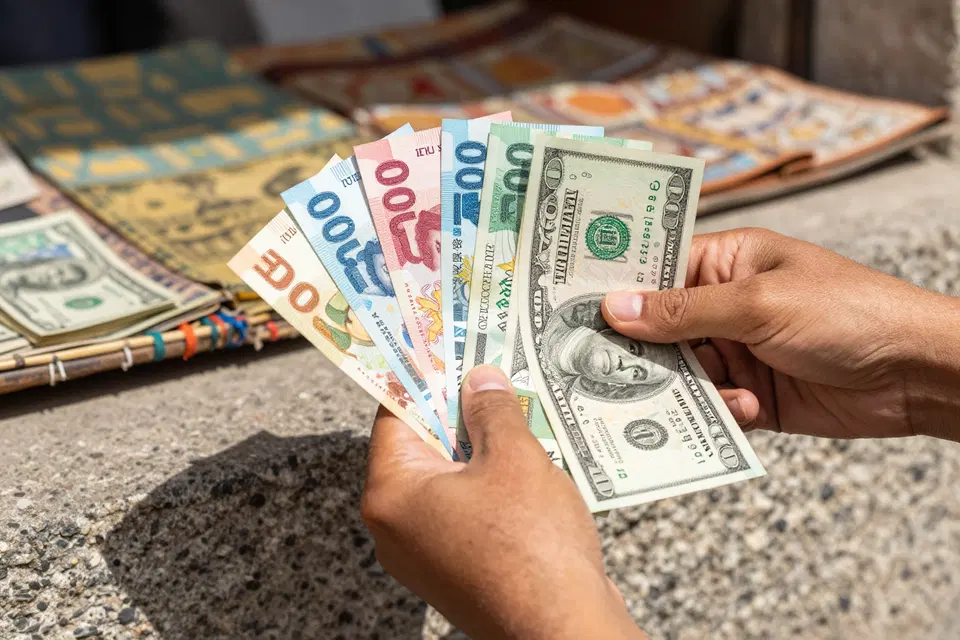
Hand a one-dollar bill to a taco vendor in Mexico City and you'll get a polite shrug. Hand it to the man behind the glass at the airport currency window and you'll walk away with about sixteen pesos. Check your banking app on the same afternoon and it will insist a dollar is worth closer to eighteen.
All three numbers are real. That's the frustrating, genuinely useful truth behind the question of how much 1 dollar is in Mexico: the figure moves with the day, the city, and the counter you happen to be standing at.
The Honest Range: Somewhere Between 16 and 19 Pesos
Mexico runs a floating exchange rate, so the peso's value against the dollar shifts constantly. Over the past few years the mid-market rate, the one Google and XE show you, has spent most of its time in the high teens, with stretches in the low twenties and stretches down near sixteen. Any single number you read online is a snapshot, not a promise.
For the sake of doing actual math, pretend the mid-market rate is 17.80 pesos per dollar. That's the rate banks use when they trade with each other, and it's roughly what your card issuer pays.
It is almost never what you get.
A currency window in a Mexican airport might post 16.40 as its buy rate. A bank branch in Guadalajara might offer 17.35. A hotel front desk will cheerfully hand you 15.50 and thank you for your stay. Those gaps are not scams, they're the business model. Every place that touches your dollars is buying them from you at one price and selling them to the next person at another. On a single dollar that spread is pocket change. On a thousand dollars it's a rental car for a week, which is why it pays to understand where the pesos actually disappear on a larger exchange.
What One Dollar Actually Buys Once You're There
The exchange rate is only half the story. A dollar converted at 17.50 pesos means something completely different depending on whether you're buying metro tickets or cocktails.
In Mexico City, 17 pesos buys you three rides on the metro. It buys a litre of milk and change, or a fresh tamale from a steamer on the corner. A street taco runs 15 to 25 pesos, so a dollar is roughly one taco with a peso or two left over. A kilo of tortillas from a neighbourhood tortillería sits around 20 to 26 pesos, which means a dollar gets you most of a kilo.
Move to a beach town and the same dollar shrinks. Coffee near the malecón in Puerto Vallarta can run 55 pesos. A beer in a Cancún hotel bar might be 90. The currency didn't change; the local price level did. If you want a clearer picture of how far a single greenback stretches across different regions, this breakdown of what one dollar really gets you in Mexico is worth a read before you budget.
Prices Have Moved, and Locals Feel It
Worth knowing: Mexico's inflation over the past several years has been real and visible. Things that cost 12 pesos in 2019 cost 20 now. When someone tells you a dollar goes a long way in Mexico, they're usually remembering a trip from a decade ago. It still goes further than in the US, but the gap is narrower than the postcard version suggests.
Where to Change Money, Roughly Ranked
Not all conversion points are created equal. Here's the practical hierarchy for most travellers:
- ATMs (cajeros): Usually the closest thing to the mid-market rate, plus a fixed fee of roughly 30 to 90 pesos depending on the bank. Withdraw a larger amount less often and the fee becomes noise.
- Bank branches: Solid rates, especially for larger amounts. Bring your passport, expect a queue, and go before 1pm on a weekday.
- Casa de cambio: Fast and competitive in big cities and business districts. Markedly worse on tourist strips and inside airports.
- Airport currency windows: The convenience tax is real, often 1.5 to 3 pesos per dollar below the mid-market rate. Change a small amount to get you to your accommodation, then do the rest elsewhere.
- Hotel front desks: Consistently the worst rate you'll see. Sometimes 3 to 4 pesos off. Fine for a taxi emergency, terrible for anything else.
- Paying by card: Often near the mid-market rate, plus whatever foreign transaction fee your bank charges. The catch is dynamic currency conversion, which we'll get to.
Reading a Rate Board in Fifteen Seconds
Mexican exchange boards show two numbers, and mixing them up is the single most common way people lose money at the counter.
Compra is what they pay when they buy your dollars. Venta is what they charge when they sell dollars to someone else. A typical board might read Compra 16.90, Venta 18.55. If you're holding dollars and want pesos, Compra is your number. Ignore Venta entirely.
Some boards show only one figure, usually the buy rate, with a commission note in tiny print underneath. Others advertise a headline rate that only applies above a certain amount. If the counter rate doesn't match what's displayed, ask before you push the notes across. Understanding how to decode these boards is covered in more depth in this guide to what the dollar rate in Mexico actually means at the counter.
The Places That Quote Prices in Dollars
Cancún, Los Cabos, Puerto Vallarta, Tijuana and the border corridor all operate partly in dollars. Sometimes that's convenient. Sometimes it's a quiet markup.
Watch for the phrase "at par," which means a business will accept your dollar bill but treat it as one peso. Given the real rate is closer to 17 or 18, that's a 15 to 18 percent haircut on everything you buy. Always ask whether a menu or price tag is in pesos. If the answer is dollars, decide whether the convenience is worth the premium, and check the arithmetic on what that dollar figure in pesos really buys you before agreeing.
Four Habits That Change What Your Dollar Gets You
Always decline the conversion offer. When an ATM or card terminal asks whether you'd like to be charged in US dollars, say no. That's dynamic currency conversion, and the rate is usually 3 to 6 percent worse than letting your bank handle it. It feels helpful. It isn't.
Take out bigger amounts, less often. A 60-peso ATM fee on a 500-peso withdrawal is 12 percent. The same fee on 5,000 pesos is a rounding error. Plan your cash needs over several days rather than hitting the machine every morning.
Carry small notes and keep a 200-peso reserve. Taxi drivers and market vendors rarely have change for a 500. Breaking a big note at a pharmacy or OXXO before you need it saves a lot of awkward gesturing.
Know two numbers before you land. Check the mid-market rate the morning you fly, then subtract roughly 2 percent for cards or 4 to 6 percent for a decent casa de cambio. That's your benchmark. If a counter offers noticeably less, walk 50 metres to the next one. In most Mexican cities there is always a next one.
A dollar in Mexico is worth about 17 or 18 pesos on paper, and somewhere between 16 and 17.50 in your hand, depending on how carefully you shop for it. The difference across a two-week trip is easily a nice dinner. Learn the two numbers, refuse the conversion prompt, and let the counter rate be their problem, not yours.