
Loading article...
Slot ID: blog-post-top
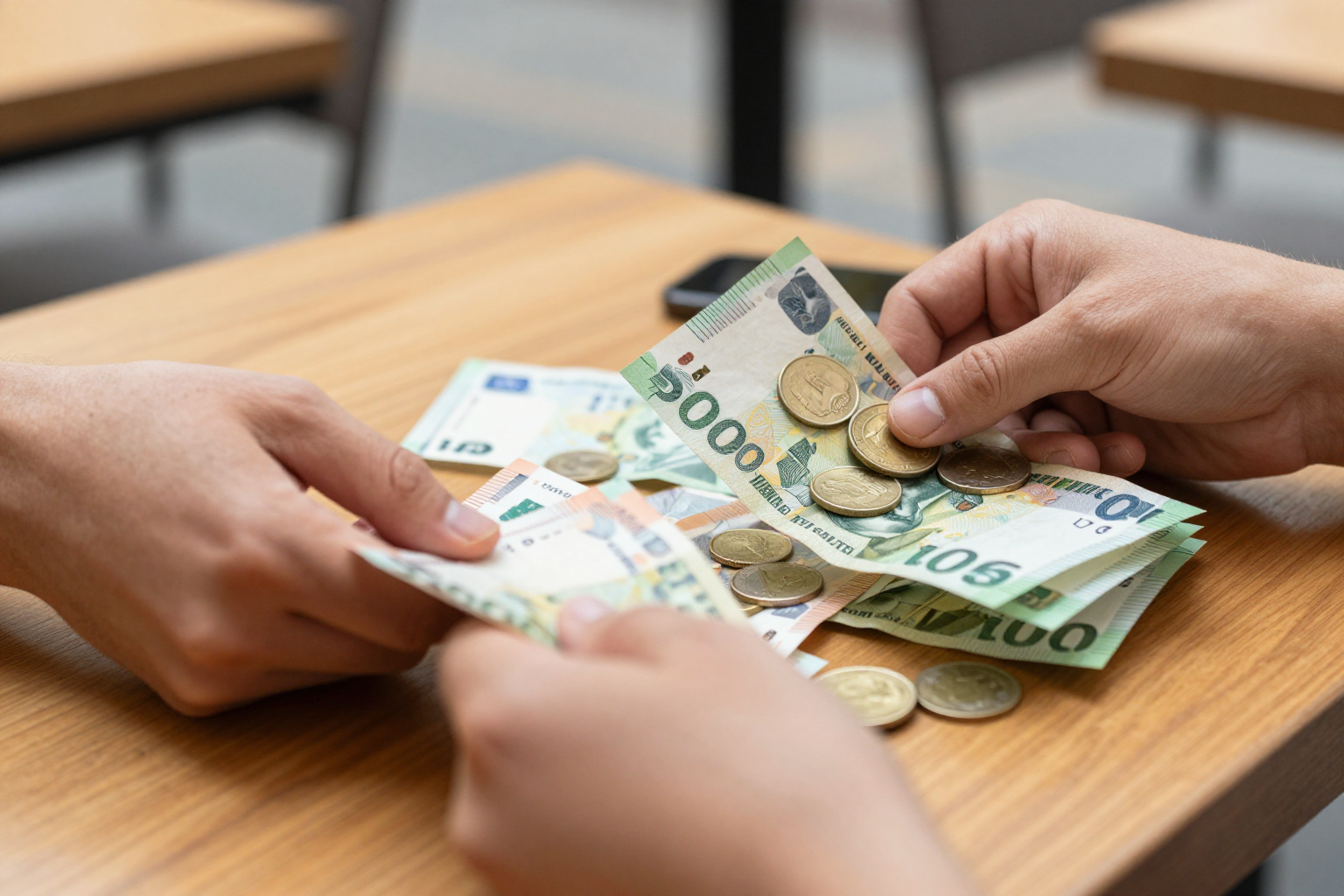
Currency exchange rates look simple on the surface. You see a number, you multiply, you get what you expect. Then the bank statement arrives and you’re suddenly short. The truth is that every currency conversion has a hidden cost, and most people lose money without ever realising it. Whether you’re sending money home, paying a supplier abroad, or just grabbing cash at the airport, the same quiet mistakes repeat again and again. Here are the ones that hurt the most, and how to avoid them.
Open any search engine and type a currency pair. You’ll see a clean, precise number, often described as the 'real' rate. That number is usually the interbank rate, the rate banks use between themselves, not the rate available to you. Your bank, your transfer service, and even your credit card processor all add a mark-up on top. A rate that looks fair can end up costing you more than you think. Before you take the first number you see, it’s worth understanding why your currency converter is lying to you.
Most people compare the headline exchange rate and ignore the fee. That’s like choosing a bottle of wine by the label and ignoring the price on the till. Say you’re converting $500. One service gives you a slightly better rate but charges a flat fee; another has no fee but a wider spread. In practice, the no-fee service can be more expensive. The only meaningful number is the total cost in your own currency. To get a realistic picture, look at the real cost of changing cash across apps, banks, and kiosks.
Exchange rates move every second, and it’s tempting to think that if you wait a day, you’ll get a better deal. Sometimes you will. Often you won’t. The currency market is notoriously volatile, and even experts struggle to predict short-term moves. If you have money to convert and a deadline, waiting is a gamble, not a strategy. A better approach is to take the rate you need and accept that small fluctuations rarely make a meaningful difference for everyday transfers. Before you wait any longer, check which source actually gives you the real number.
Your bank points to a screen that shows the current exchange rate, and you assume that’s what you’re getting. It isn’t. Most banks add a margin that can range from 1% to 4% or more, and they don’t always show it clearly. Take the euro as an example. If the mid-market exchange rate is 1.10, the bank might quote you 1.07. That extra three cents is the bank’s profit. For a closer look at this, the euro exchange rate exposed reveals which providers actually charge the least.
You travel to Lisbon, you buy a coffee, and the card machine asks whether you want to pay in dollars or euros. Choose dollars and you’re usually paying a terrible conversion rate. This is called dynamic currency conversion, and it’s a huge profit centre for banks. The merchant or the payment processor decides the rate, not the fair market. Always choose the local currency. Even if the foreign amount looks weird at first, it’s almost always cheaper in the long run.
Why do you need the exchange rate? Is it for a quick estimate, a large transfer, or cash in your pocket? Using the wrong tool can add unnecessary costs. A currency converter app is perfect for getting a rough idea, but it’s not built for booking a transfer. Many people also trust apps that pull rates from unreliable sources. The hidden pitfalls of the Oanda currency converter, for example, show that even popular tools can leave you with misleading numbers if you don’t understand the difference between the rates they display and the rates you’ll actually receive. Use a converter to shop around, but confirm the final price before committing.
A sign that says 'no commission' sounds like a great deal. It isn’t. The fee is just hidden inside the exchange rate. A provider can advertise a zero commission while offering a rate that is 5% worse than the market. The phrase has become meaningless. Your job is to ignore the marketing and compare the final amount you receive, not the promises. If you look at the exchange rates as they are, you’ll quickly see which outfits are really overcharging you.
Once you know the mistakes, you can build habits that protect you. Start by always working out the total cost in your own currency. Then use an independent mid-market rate as your baseline and compare every offer against it. Ask directly about fees, mark-ups, and whether the quoted rate is locked in. If you’re sending money regularly, consider setting up rate alerts or using a service that lets you set a target rate. And never feel rushed. The best deals are usually available if you look.
Here’s a quick checklist to keep handy:
No single exchange rate is 'the' rate. There’s always someone making a margin, including the people who claim they aren’t. The more you know about how the system works, the better equipped you are to keep more of your money.
Slot ID: blog-post-bottom