
Loading article...
Slot ID: blog-post-top
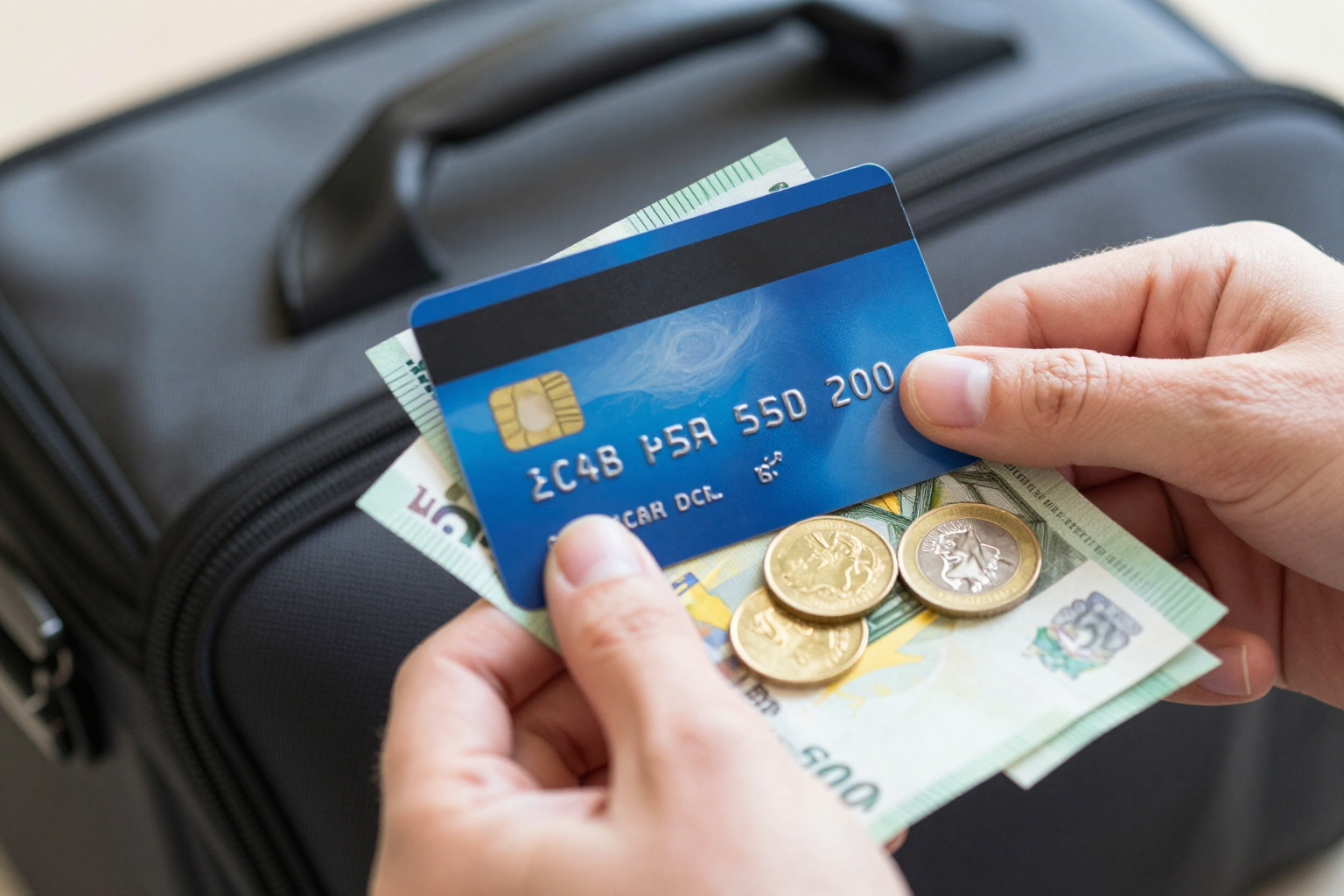
If you're planning a trip to Europe, the euro exchange rate is probably on your mind. But here's the catch: the rate you see on a Google search is not the rate you'll actually get. That so-called 'mid-market rate' is the one banks use between themselves, and every provider adds a markup on top. How much you pay depends entirely on where you exchange your money. Some options are convenient, some are cheap, and a few are just outright bad. Let's compare the real-world trade-offs.
Say EUR/USD is quoted at 1.08. Your bank might offer you 1.06, meaning you instantly lose nearly 2% on every euro you buy. The gap between the headline rate and your actual rate is where providers hide their profit. Before you look at any quote, you need to know which rate is actually real. Our guide to which source actually gives you the real number explains why the number on your search engine is not what you'll get from any money changer.
Banks are the default choice for most people. You walk into a branch, hand over your money, and walk out with euros. It's safe, familiar, and you don't need to plan ahead. But that convenience costs you. Most high street banks add a margin of 3-4% to the interbank rate, and some charge a flat fee on top.
For example, exchanging £500 to euros at a major UK bank might cost you £10 in fees and another £15 in a poor exchange margin. That's £25 gone before you even board the plane. If you're only changing a small amount to cover airport coffees, it might be tolerable. But for a family holiday budget, those percentages add up quickly. The trade-offs between banks, brokers, and apps go even deeper than the headline rates suggest.
You've seen those currency exchange booths near the departure gates, staffed by someone holding up a tiny rate board. They're convenient, sure, but they're also where exchange rates go to die. Airport kiosks routinely quote rates 5-10% away from the interbank rate, and they often add a 'no commission' sign while burying their profit in the spread.
The worst part is that you're a captive audience. You're about to board a flight, you forgot to order euros, and you need cash at the other end. In that moment, the kiosk knows you'll pay almost anything. If you ever find yourself in this situation, exchange only the minimum you need for transport and an emergency coffee, and get the rest from an ATM once you land.
If you have a bit of lead time and you're exchanging a meaningful amount, online currency brokers are hard to beat. These services – which include companies like OFX, CurrencyFair, and Wise – operate almost entirely online and pass on rates much closer to the interbank rate. You typically get a rate within 0.5-1% of the mid-market rate, plus a small fixed fee or a tiny percentage.
The catch is that you need to plan ahead. You place an order (often by bank transfer), and the euros arrive in your bank account or are delivered as cash to your door a few days later. It's not for the impulsive traveller. But if you're moving £2,000 or more, the savings can easily be £50-100 compared to a bank. If your priority is saving money, our no-nonsense comparison of exchange rate options breaks down the break-even points for common amounts.
For everyday spending in Europe, paying directly with a credit or debit card usually gives you a better effective euro exchange rate than most cash exchanges. Visa and Mastercard publish exchange rates that include a small markup (usually about 0.5-1%), and if your card doesn't charge foreign transaction fees, you're getting a genuinely competitive rate. The problem is the fees and the traps.
Many cards still charge a foreign transaction fee of up to 3%. Add that to the card network's markup, and you're back to bank territory. ATM withdrawals are even better if you use a card with no ATM fees – but watch out for the local bank's ATM fee, which can be €3-5 per withdrawal.
The biggest trap is Dynamic Currency Conversion (DCC). When you're paying by card in a European shop or ATM, it will sometimes offer to charge you in your home currency 'so you know exactly what you're paying'. This is almost always a scam-ish deal – you'll get a much worse exchange rate and an extra fee. Always choose to be charged in euros, not your home currency.
Currency converter apps and websites don't give you the actual exchange, but they're essential for checking whether the rate you're being offered is fair. The problem is that not all converters are created equal. Some show live mid-market rates, while others build in their own profit margin or lag significantly. A well-known option is Oanda's currency converter, but it isn't always the best for retail purposes. Our currency converter showdown compares the top tools side by side, so you know which one to trust when you're on the spot.
There's no single 'best' euro exchange rate because the right option depends on your situation. Here's the short version:
The best euro exchange rate isn't a single number you can look up. It's the rate you actually get after spreads, fees, and clever traps are stripped away. Know your options, compare the all-in cost not just the headline rate, and don't let convenience quietly take 5% of your money. Whether you're exchanging £100 for a weekend in Paris or moving a larger sum for an expat relocation, the same principals apply – and a few minutes of research can save you a significant amount.
Slot ID: blog-post-bottom