
Loading article...
Slot ID: blog-post-top
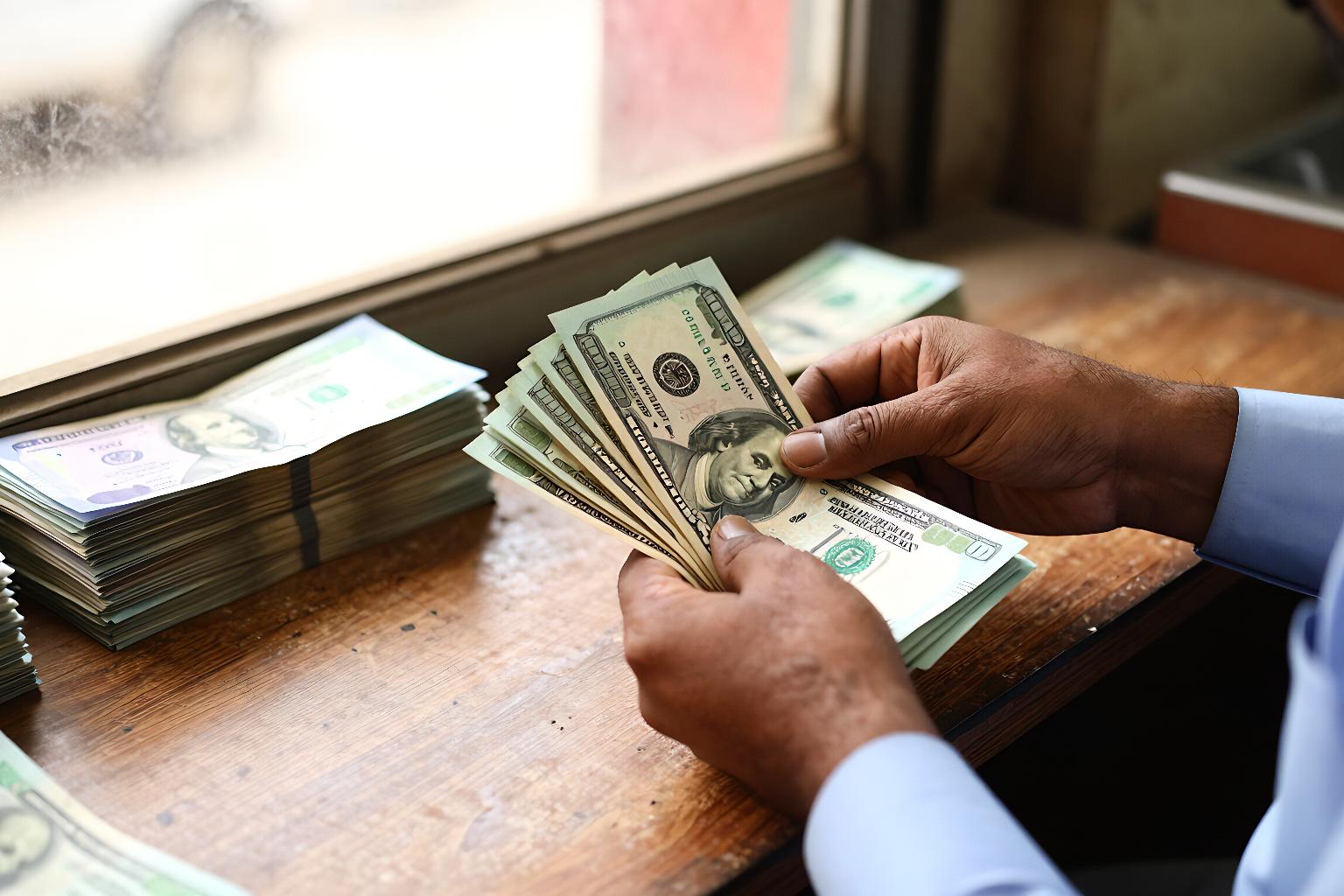
A hundred dollars is the amount most people actually deal with. Not a thousand, not ten thousand. A gift from a cousin in Dubai, a small freelance payment, cash left over from a trip abroad. Which is why the question of what 100 USD is in PKR comes up constantly, and why the answer is never one clean figure.
Here is the short version: at roughly 279 rupees to the dollar, 100 USD works out to about 27,900 PKR. That number shifts every business day, and by the time the money is actually in your hand, it will usually differ from whatever you saw on your phone that morning.
The conversion itself is simple multiplication. Take the rate, multiply by 100.
A two-rupee swing across a hundred dollars is worth 200 rupees, roughly the cost of a decent lunch in Lahore. That feels trivial. Run the same two rupees across $10,000 and you are looking at 20,000 rupees, which is exactly why importers and exporters stare at the rate the way cricket fans stare at a final over.
The rupee is managed, not freely floating. The State Bank publishes an interbank rate each working day, banks price off that, and the open market drifts around it based on actual demand for physical dollars. Add in IMF programme news, import payment schedules, remittance inflows during Eid, and the occasional regulatory squeeze on exchange companies, and you get a rate that can move one or two rupees inside a single week without any dramatic headline.
For a daily snapshot of where things stand, this breakdown of the dollar rate in Pakistan today explains which published figure you should actually trust, and why two news channels can report different numbers on the same evening.
Anyone who has asked around will have noticed that the numbers do not agree. That is not dishonesty. It is three separate markets.
This is the wholesale rate between banks. You will see it quoted in news reports and on financial sites. It is the cleanest benchmark, but an individual walking in with $100 will not get it.
This is the rate on the display board at a currency exchange in Saddar or Liberty Market. The board typically shows two numbers, one for buying and one for selling, and the gap between them is how the dealer earns. As this piece on why the board rate is only half the story points out, the advertised number is a starting point, not a promise.
Pay with a foreign debit card or convert inside a payment app and you get a rate set by the card network, plus a foreign transaction fee of around 2.5% to 3.5%, plus whatever markup your bank quietly adds. On $100 that stack of charges can quietly eat 300 to 500 rupees.
The full explanation of why everyone quotes you a different number is worth reading once, because it settles most of the confusion permanently.
A hundred dollars sounds modest in New York or London. In Pakistan it stretches further than most visitors expect.
For a more granular sense of purchasing power, what one dollar actually gets you in Pakistan breaks the same idea down at street level, from a cup of chai to a rickshaw ride across town.
This is where small transfers get punished. A standard international bank wire costs $15 to $25 in flat fees, which on $100 is painful. Remittance specialists and exchange-house corridors charge far less, often under $3, but they make up some of it in the rate they apply.
Compare the two costs separately. A $5 fee on a hundred dollars costs 1,400 rupees. A two-rupee gap in the exchange rate costs 200 rupees. The fee usually matters more than the rate on an amount this small, which is the opposite of what most people assume. The difference between the rate on the screen and the money in your hand is worth calculating before you pick a service.
Also check what your sender's bank charges on their end. A $100 transfer that leaves with a $12 correspondent fee and another $10 on arrival can land as 22,000 rupees instead of 27,900, which is a 20% haircut nobody mentions upfront.
Heading abroad and need the cash? You will pay the selling rate, which sits a rupee or two above the buying rate. A few practical points:
Airport counters are the worst place to do this. Their spread is often three to five rupees wider than a city exchange, which on $100 costs you an extra 300 to 500 rupees for the convenience of buying at the departure gate.
A little comparison goes a long way when the amount is small.
Do that, and 100 dollars converts to within a few hundred rupees of the theoretical best. Skip it, and the gap can quietly reach 1,500 rupees, which is a full week of groceries disappearing into the spread. The number printed on your receipt is the only one that reflects what really happened, so keep it and compare it against the mid-market rate the same day. After two or three conversions you will know your local dealer's markup by heart, and the whole exercise takes about ninety seconds.
Slot ID: blog-post-bottom