
Loading article...
Slot ID: blog-post-top
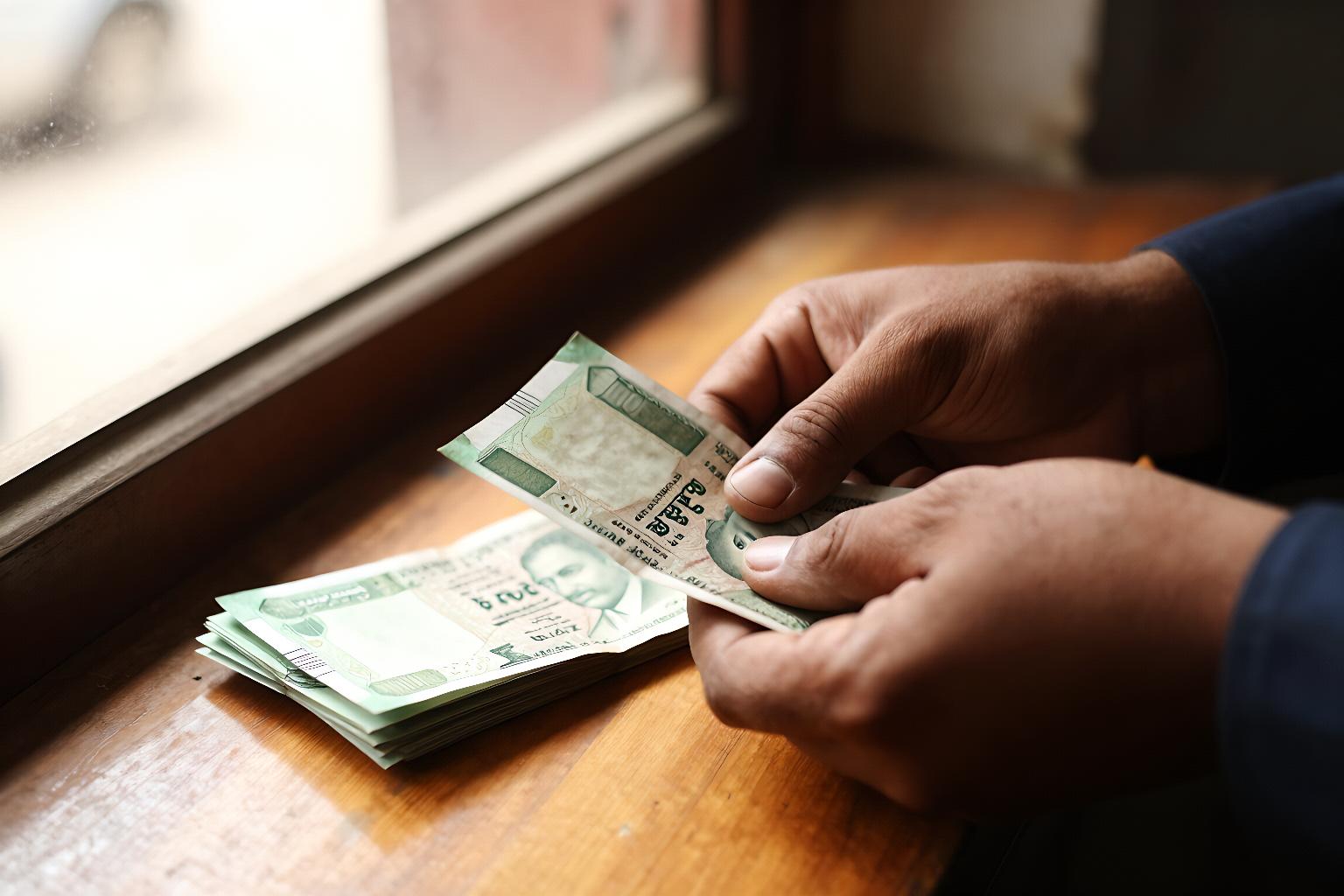
Ask five people in Pakistan what one US dollar is worth and you will get five different numbers. All of them will be technically correct. The bank teller quotes one figure, the money changer in Saddar quotes another, your cousin in Dubai checks a third on his phone, and the nine o'clock news announces a fourth. The gap between them is usually a rupee or three, which sounds like nothing until you are converting a thousand dollars and realise you just paid for a week of groceries in the difference.
So here is a practical breakdown of what 1 US dollar in Pakistani rupees actually means, where those numbers come from, and how to avoid getting the worst version of the rate.
At the rates that have held through recent months, one dollar sits somewhere in the high two-seventies to low two-eighties. Call it Rs 280 for easy arithmetic. That is roughly a litre of petrol, a plate of daal with two rotis at a neighbourhood dhaba, or a large chai and a samosa at a café that charges sit-down prices.
Not much, in other words. Which is exactly why people get the maths wrong. A one-rupee difference on a single dollar feels invisible, but the same one-rupee difference on $3,000 is Rs 3,000. If you want to see what a dollar stretches to across different cities and price points, what one dollar actually gets you in Pakistan is a far more interesting question than the exchange rate on its own.
Most of the confusion about the dollar rate comes from mixing up three separate markets that run in parallel.
This is the rate banks use with each other, and the one quoted in news reports and on the State Bank's website. If a headline says the rupee closed at 279.40 against the dollar, that is the interbank number. You cannot walk in off the street and get it for a $100 note.
Currency exchange companies and money changers price their own market. It usually trades slightly weaker than interbank, because dealers carry risk and need a margin. When the two rates drift far apart, that itself is a signal about pressure building in the system.
That is the number displayed on a plastic board or a scrolling LED outside the counter, and it is a marketing number as much as a financial one. It is typically the dealer's selling rate, meaning what you pay to buy dollars. It is not what you receive when you sell. Why the board rate is only half the story is worth a read before you assume the figure on the wall applies to your transaction.
These three numbers can sit two to five rupees apart on any given afternoon. If you have ever wondered which dollar rate in Pakistan today you are actually getting, the answer depends entirely on which counter you are standing at.
The difference between the buying and selling rate is the spread, and it is the dealer's income. A typical exchange company might buy dollars from you at Rs 279.50 and sell them at Rs 282. That Rs 2.50 gap stays invisible unless you look for it, and it doubles the moment you convert in both directions.
Run real numbers. You sell $1,000 at Rs 279.50 and receive Rs 279,500. A bank offering the interbank rate minus its own margin might give you Rs 277.20, or Rs 277,200. Same dollars, same afternoon, Rs 2,300 difference. On $5,000 that becomes a genuine decision worth ten minutes of comparison shopping.
Convert $40 and the dealer's margin plus rounding will eat a far bigger share than on $4,000. Some counters apply a flat service charge, which is brutal on small sums. If you only need a little cash for a trip, take it from an ATM using a foreign card, or convert a larger amount once instead of topping up three times.
The gap between the rate on the screen and what actually lands in your hand is the single most useful thing to understand before you exchange anything, and it is covered in more detail in the rate on the screen vs the money in your hand.
Then there are seasonal spikes. Ramadan, the Hajj and Umrah season, wedding months and the run-up to school fees all push up demand for physical dollars, and the open market reflects that faster than the interbank rate does.
If someone is sending you money from abroad, the route matters more than the headline rate. A bank wire or a licensed money transfer operator typically converts close to the interbank rate with a small fee, and some corridors run promotional rates that beat the open market outright. Physical cash carried in a wallet gets the open market rate, minus whatever the counter decides to shave off.
On a $500 transfer, a two-rupee difference is Rs 1,000. Across a year of monthly remittances, that is a flight ticket. Worth checking rather than assuming.
There is a fuller checklist in what the rate really means before you exchange if you are moving a significant amount.
Nobody consistently predicts the rupee. Anyone who tells you they know next month's rate is guessing with confidence. What you can control is the spread, and that is the number worth optimising. Converting a large sum in two or three tranches over a few weeks smooths out a bad day. Watching the gap between interbank and open market tells you when dealers are nervous, and nervous dealers charge more.
The realistic goal is not beating the market. It is making sure that when you convert $2,000, you are not losing Rs 5,000 to a counter you picked because it was the closest one. Check two more, ask one question about the spread, and you have already done better than most people walking in with a fistful of notes.
Slot ID: blog-post-bottom