
Loading article...
Slot ID: blog-post-top
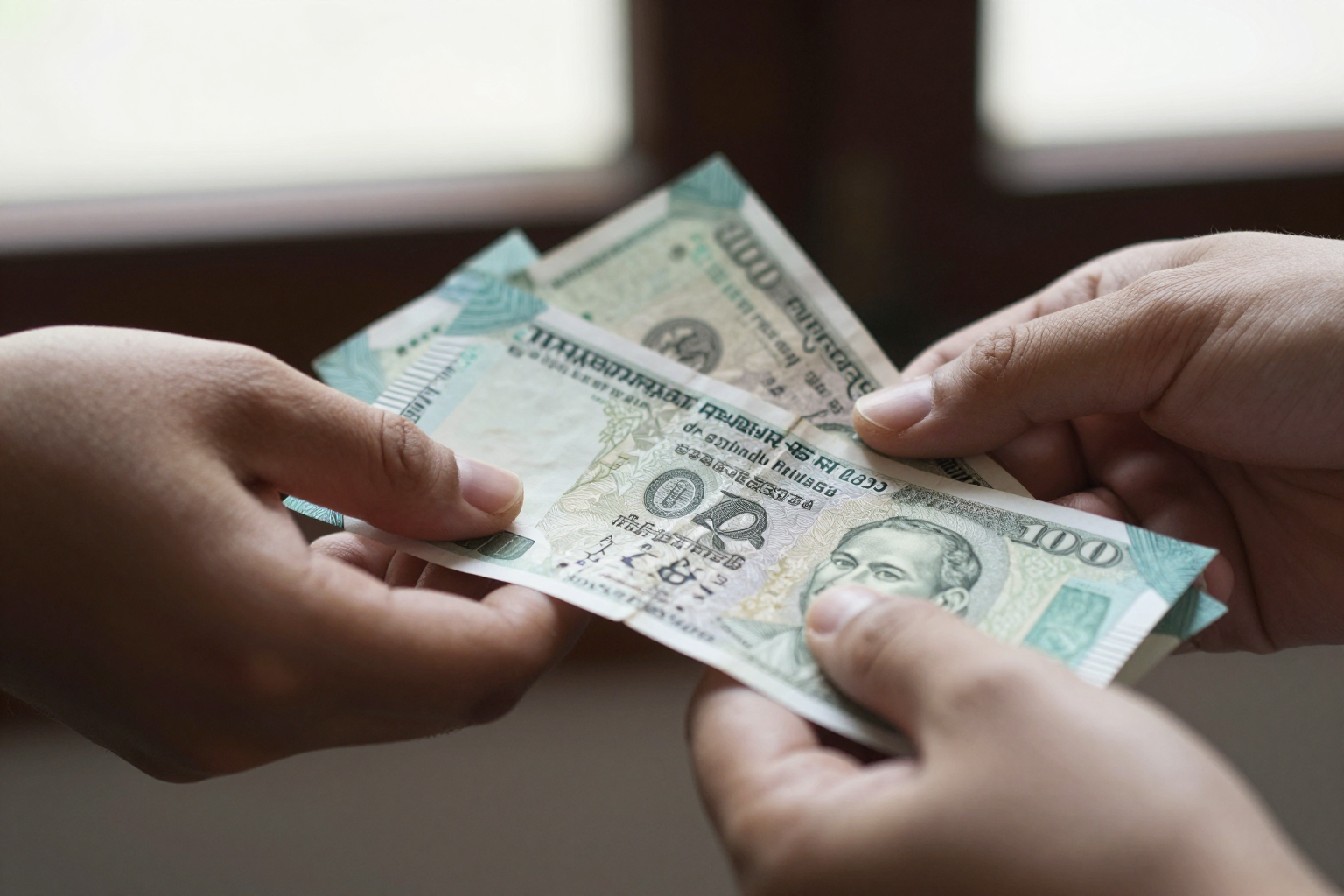
One US dollar in Indian rupees is never just one number. Open Google and you'll see a mid-market rate like ₹83.20. Walk into a bank in Mumbai and you may be quoted ₹81.80. Swap cash at Delhi airport and you might be lucky to get ₹79.50. The gap between the headline rate and the rate you actually get is where exchange providers make their money. Understanding that gap is the difference between a fair deal and an expensive one.
The rupee is a floating currency, so its value against the dollar changes constantly during market hours. The number you see when you search for “1 us dollar in indian rupees” is usually the international interbank rate, or the mid-market rate. That is the rate at which large banks trade with each other, and no individual consumer gets it. Retail currency rates are always a little worse on both sides.
Global trading sessions mean the rate shifts from Sunday evening to Friday night in India, and holidays in either country can leave it stale for a day or two. If you are sending money, planning a trip, or buying goods from an overseas store, the instant rate at the moment of transaction is what matters, not the one you saw an hour ago.
Currency providers are not charities. They buy at a slightly lower rate and sell at a slightly higher one, and the spread is how they cover costs and make a profit. If the mid-market rate is 83.20, a bank might buy dollars at 82.95 and sell them at 83.45. For a single dollar, the difference looks trivial. Multiply that by $1,000 and you're suddenly ₹250 worse off for no reason other than the spread.
That spread is even wider at airports, hotels, and tourist-area money changers. They know you are about to board a flight or run out of cash, so they pad the margin. The same mechanics apply in other currency markets. If you are converting British pounds, the pound to USD guide on getting the best exchange rate shows how easily the spread eats into your money.
Forex markets are closed on weekends in most of the world, but Indian banks and money changers often still quote a rate. They build in extra buffer because they cannot hedge against a sudden move. That's why you'll see a noticeably worse rate on a Sunday, especially in tourist spots.
Every provider uses the same global market price as a starting point, then applies a margin. A bank in India might quote "₹83.10" on its app, but hidden in that number are charges. When you transfer money through a traditional bank, you also pay a flat fee, an intermediary bank fee, or a loading charge if you are using a travel card.
Digital services like Wise or Revolut are generally closer to the mid-market rate, but they are not identical. They will show you the exact rate before you confirm, which is more than most banks do. Always compare the all-in cost, not just the advertised rate.
None of these appear when you search the live exchange rate. You only discover them at the till or on your bank statement. The same hidden costs show up in other currency pairs; the USD to MXN guide breaks down how peso conversions can hide the same kind of charges.
If you're travelling to India, carry a small amount of rupees for the first day and then use a local ATM with a card that offers zero international fees. If you're living in India and need dollars, compare at least three providers, including a digital one and a local authorised money changer. The difference between the best and worst rate on any given day can be as much as 2-3 percent. That is not pocket change on a large transfer.
If you are planning a trip to Japan, the traveler’s guide to getting more from your yen conversion follows the same logic. The way to avoid a bad rate is to check the costs, not just the rate.
No one can reliably predict which way the dollar-rupee rate will move, and anyone who says otherwise is guessing. But you can avoid obvious losses. Check the rate at the same time for a few days to get a sense of its range. If you don't need the money immediately, wait for a day when the rupee is a little stronger. Reserve forex orders online before you travel, because that often locks in a better rate than the airport counter.
For amounts above $500, request a quote from two or three providers. You have negotiating power, even if you don't feel like it. Some money changers will match or beat a competitor's rate just to win the transaction. Treat currency exchange like any other purchase: shop around, read the terms, and never let a cashier tell you "this is a fixed rate" when global markets are clearly moving. In South Korea, the same timing tricks apply; the dollar to won exchange rate guide explains when to convert and when to hold off.
Outside the exchange rate conversation, a single US dollar has different purchasing power in different parts of India. In a metro city, ₹83 might buy a large latte at a specialty café. In a rural town, it could pay for a simple thali meal. The rupee goes further in some places than others, so knowing the conversion alone doesn't tell you how far your money will stretch.
If you're budgeting a longer stay, build in a buffer. Even a small unfavourable shift in the 1 usd in inr rate can affect your daily costs when you are abroad for two weeks or a month. Track your spending in rupees but think in dollars at the time of each transaction, that reduces the chance of being shocked by the final credit card bill.
Keep an eye on the rate, but don't obsess over it. The best exchange rate is the one you get with low fees, no surprises, and a provider you trust. That is almost never at an airport, rarely at a hotel desk, and occasionally at a bank. The rest is just shopping.
Slot ID: blog-post-bottom