
Loading article...
Slot ID: blog-post-top
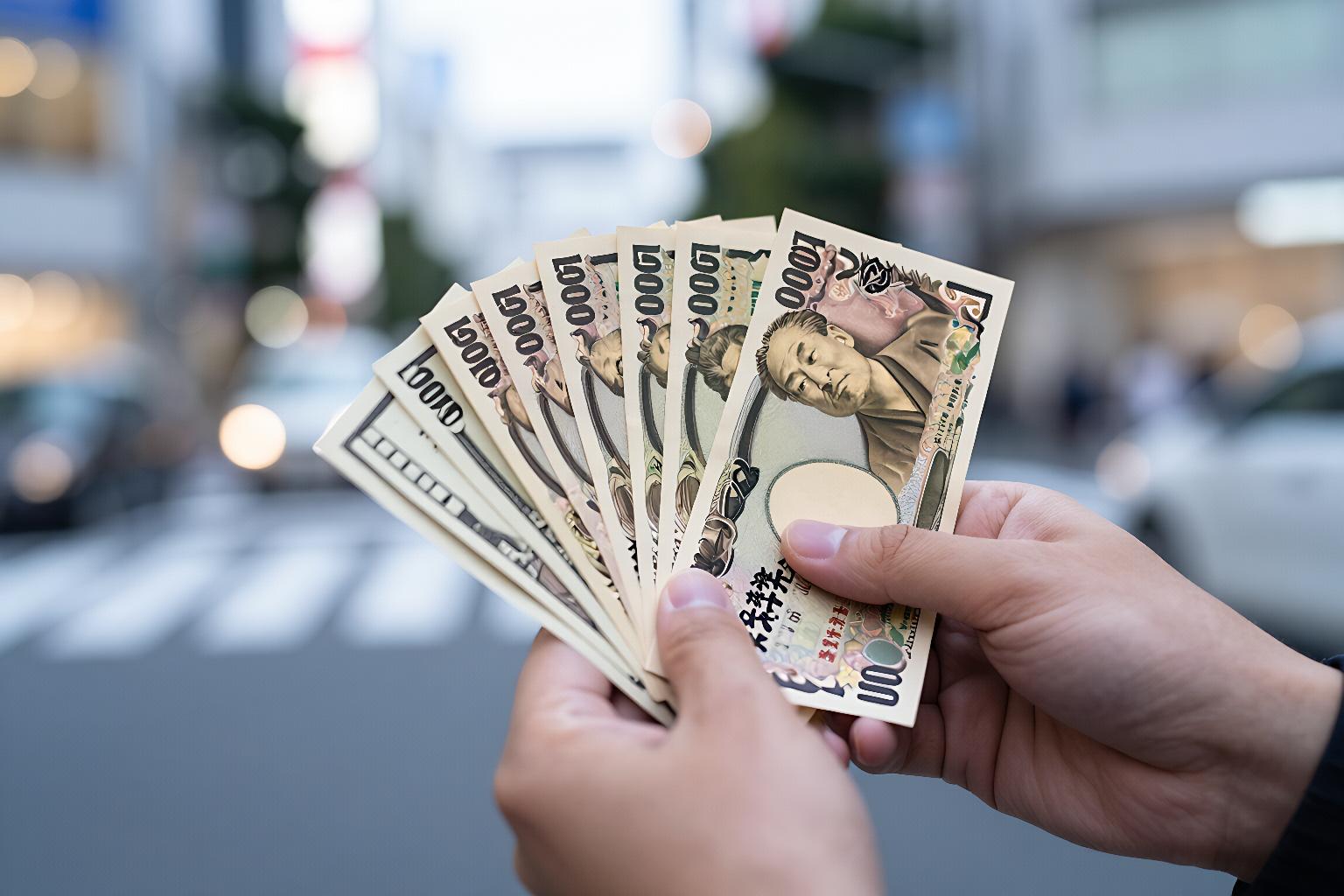
You’re on the couch, scrolling through photos of sushi and neon-lit streets, and the thought hits you: Japan is a long way from home, and your dollars don’t automatically become yen just because you land at Narita. Exchanging currency is a small task, but it can quietly eat into your travel budget if you don’t give it a second thought. The same goes for sending money to a family member or paying a supplier in Tokyo.
The good news is that getting a fair deal on USD to Japanese yen comes down to a handful of habits, not a degree in macroeconomics. Here’s how to understand what you’re paying, where the exchange rate comes from, and how to avoid the most common money traps both at home and in Japan.
Before you start checking your banking app every hour, it helps to understand why the rate looks the way it does. The USD/JPY pair is one of the most traded currency pairs in the world, and it’s sensitive to a few key forces.
The Federal Reserve and the Bank of Japan set short-term interest rates, and those numbers have a direct effect on how many yen your dollar buys. When the Fed raises rates, dollar-denominated assets become more attractive, so investors buy dollars and the dollar tends to strengthen against the yen. When the Bank of Japan holds rates low or even negative, the yen often weakens. That’s why fresh news about inflation or a policy meeting can shift the rate by several yen overnight.
Gross domestic product, employment figures, and even consumer confidence reports all feed into the market’s expectation of where a currency is headed. Japan’s trade balance matters too, because a country that exports more than it imports tends to see demand for its currency, all else being equal.
The yen has been the classic safe-haven currency for decades. When the global stock market gets jittery, investors often buy yen as insurance, which can push its value up even if Japan’s own economy isn’t booming. The dollar also plays a safe-haven role, so a crisis isn’t automatically a bad deal for USD/JPY.
If you want to see how these forces play out for other currencies, the same logic applies to the US dollar to Mexican peso exchange rate or the dollar to South Korean won, though each pair has its own local quirks.
Once you’re on the ground, the daily rate is what it is, but the rate you actually receive depends on where you choose to convert your dollars or take out cash. The difference can be several percent, which adds up quickly on a two-week trip.
Almost every guide will tell you to skip the exchange booth at the arrivals hall, and that advice hasn’t changed. Airport kiosks know you’re tired and just want a few yen for the train, so they often load the rate with a margin of 5% to 10%. If you need cash right away, exchange only a small amount, just enough for your first day, and head to a better option in the city.
For most travelers, the best option is to withdraw yen directly from an ATM at a Japanese post office or a major bank like 7-Eleven, which is everywhere in Japan. The key is to use a debit card that doesn’t charge a foreign transaction fee and to always choose to be billed in yen, not in your home currency, when the ATM asks. That trick, called dynamic currency conversion, is how you end up paying an extra 3% without noticing.
If you’re still using a card that charges a fee, it’s worth looking into a no-foreign-transaction-fee card before you leave. The same principle applies in other countries, as you can see in this CAD to USD exchange rate guide, which breaks down the same hidden costs for Canadian dollars.
Maybe you’re not traveling at all. You might be paying for a language school, sending birthday money to a relative in Tokyo, or handling a business invoice. This is where the raw exchange rate matters most, and also where the biggest traps hide.
A typical bank wire from the US to Japan comes with a flat outgoing fee, a possible incoming fee on the Japanese side, and, most importantly, an exchange rate that’s 2% to 4% weaker than the mid-market rate you see on Google. Banks sometimes don’t even disclose that they’re adding a margin to the rate because it’s baked into the quoted amount.
Online services like Wise, OFX, or Revolut typically offer exchange rates that are very close to the interbank rate, and they clearly itemize the fees. The difference is meaningful. On a $2,000 transfer, a 3% margin costs you $60 that you never see. For a small business making multiple payments a month, that’s real money.
When you’re comparing services, don’t look at the headline rate alone. Check the exact rate you’re being quoted, the transfer speed, and the maximum amount you can send. It also pays to be aware that some services advertise a free transfer but make up for it with a poor rate. That’s a classic trick in the USD to pound sterling exchange market, where the same games happen.
It’s tempting to try to outsmart the market, especially when you see that USD/JPY has jumped or dropped by 5 yen in a week. But for most people, timing the forex market is a fool’s errand. Unless you’re moving a very large amount and have a well-researched opinion on the next central bank decision, your best bet is to convert in batches.
For example, if you’re an expat earning dollars and paying bills in yen, consider setting up a monthly automatic transfer. That way, you average out the rate over time instead of betting on one specific day. Travelers can do the same by withdrawing cash in chunks, not all at once.
Let’s make this concrete with a hypothetical but realistic rate of 150 yen per US dollar. That’s roughly where the pair has sat at times in recent years, so it’s a useful benchmark.
Now imagine the same transfer through a service that charges a flat $5 and gives you 149.8 yen per dollar. You’d receive 149,840 yen, so let your money actually reach you. The difference between the two options is roughly $14 on just $1,000. Scale that to $10,000 for a tuition payment and you’ve lost nearly $150 for absolutely nothing.
Credit cards are accepted much more widely in Japan than they used to be, especially in cities and at major chains. Still, you’ll need cash for smaller shops, temples, and some rural areas. If you use a credit card, the same rule about dynamic currency conversion applies at the point of sale. Always select “Pay in JPY” when the terminal offers you a choice. If you let the card machine convert to USD, you’re handing the merchant an extra profit margin.
Also, check whether your credit card charges a foreign transaction fee. Many travel rewards cards don’t, but plenty of standard cards still tack on 3%. That fee hits every purchase, so it’s worth carrying a card that’s friendly to international use.
If you arrive with US dollars in your pocket and need to convert them, avoid the money changers in the main tourist shopping districts. They often quote rates that are far off the mark. Instead, look for a bank with a foreign exchange counter or use a trusted service like Daikoku Currency Exchange, which is known for transparent rates. You can also check the rate online before you walk in, and walk away if the quoted rate is more than 1% worse than the Google rate.
Keep in mind that exchanging cash is generally less efficient than withdrawing from an ATM, solely because you have to find a good-money changer and you’re often limited by opening hours. For similar tips on another East Asian currency, the Korean won to USD guide goes into even more detail about the exact same traps you’ll encounter in Seoul’s airport and Myeongdong.
When you know what to look for, protecting your money becomes routine. Here are the practices that experienced travelers and frequent remitters stick to:
The end result is that you get to spend your money on a bullet train ticket or a bowl of incredible ramen instead of giving it away to invisible exchange margins. That’s a much better souvenir.
Slot ID: blog-post-bottom