
Loading article...
Slot ID: blog-post-top
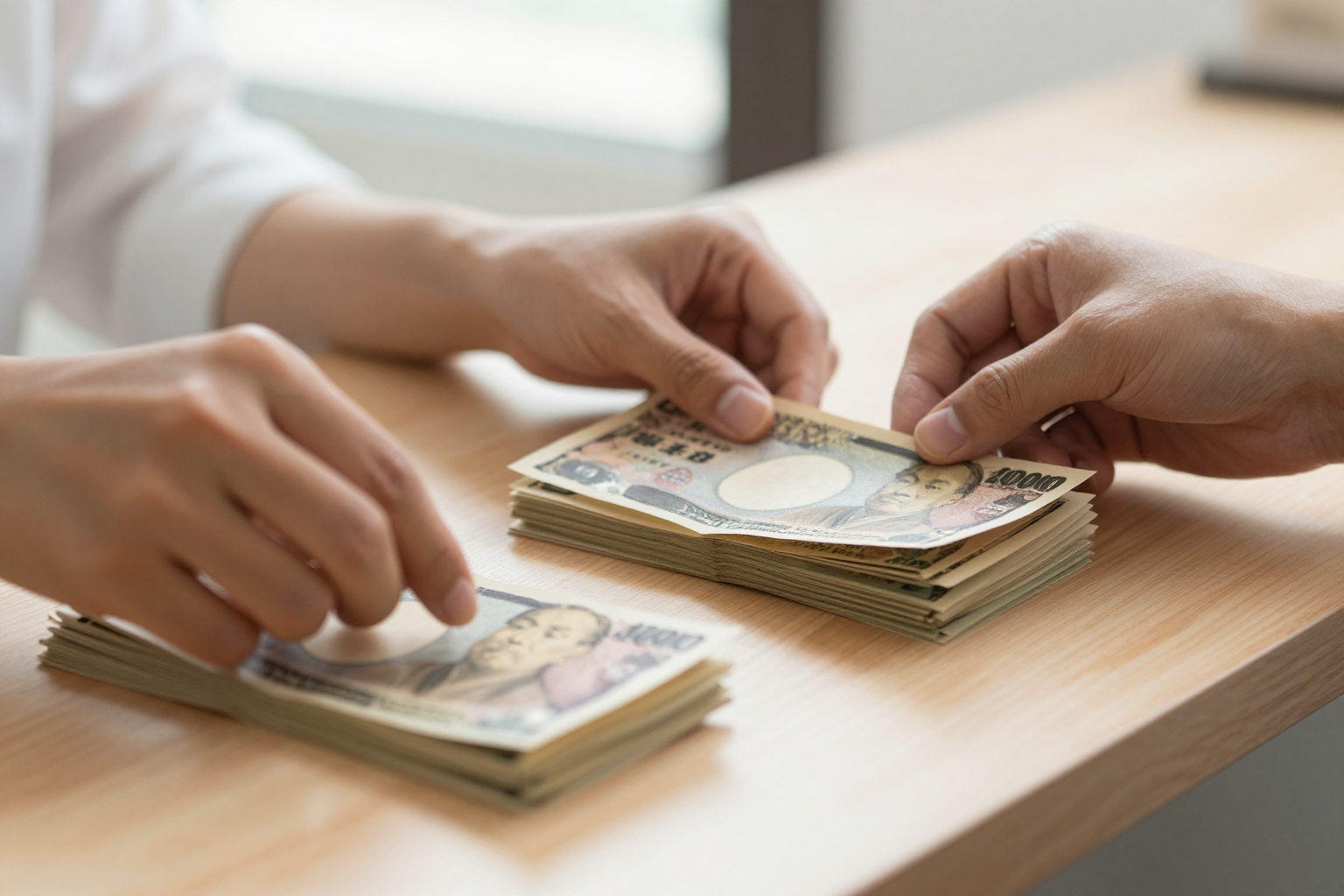
Say you land back from Tokyo with 100,000 yen in your wallet and want to know what it's worth at home. If USD/JPY is trading at 150, that stack is about $667. At 145, it's $690. Same notes, same wallet, a $23 difference. That gap is the entire story of the yen to dollar exchange rate: it moves, and the moves are large enough to change what your money buys.
The Japanese yen is one of the most traded currencies on earth, and it has spent the last few years doing something unusual. It weakened to levels not seen since the 1980s and 1990s, then snapped back sharply more than once. Understanding why helps you decide when to convert, and where.
Nearly every rate you see is written as USD/JPY, which means the number of yen that one US dollar buys. When a headline says "the yen weakened to 160," it means you now get 160 yen per dollar instead of 150. A weaker yen is good news if you're holding dollars and heading to Japan. It stings if you're paid in yen and paying a mortgage or tuition bill in the US.
The maths runs in two directions:
You'll occasionally see quotes listed as JPY/USD, which is the inverse, roughly 0.0066 dollars per yen. Both describe the same market. Just check which way round the number is before you compare providers, because a 0.0066 quote looks dramatically different from a 152 quote even though they're identical.
Currency rates are driven by capital flows, and the yen has three big forces acting on it.
For years the Bank of Japan held short-term rates at or below zero while the Federal Reserve pushed US rates above 5%. Parking cash in dollars paid a real yield; parking it in yen paid nothing. That differential pulled money out of Japan and pushed USD/JPY higher, from around 115 in early 2022 to north of 150 for much of 2023 and 2024.
Professional traders borrowed yen cheaply, sold it, and bought higher-yielding assets elsewhere. The trade works beautifully until it doesn't. In early August 2024, a combination of a BOJ rate hike and soft US jobs data triggered a violent unwind, and USD/JPY dropped from roughly 161 to about 142 in a matter of days. Anyone converting yen to dollars that week got a far better rate than they would have a few days earlier. Volatility like this is why timing a conversion is worth some effort.
Japan's Ministry of Finance has stepped into the market repeatedly, spending tens of billions of dollars in 2022 and again in 2024 to slow the yen's slide. Separately, the yen tends to strengthen during global risk-off moments, because it's a funding currency that gets bought back when positions unwind. That's a similar dynamic to the one behind the Swiss franc's strength as a safe-haven currency, though the two behave very differently in a crisis.
The mechanics driving shorter, more familiar pairs aren't so different. If you want to see the same forces at work in a calmer market, the drivers behind the USD/CAD rate read almost like a simplified version of USD/JPY.
Most people focus on the headline rate and ignore the spread. That's backwards. The rate moves a percent or two on a normal day; a bad conversion can cost you four or five percent in one transaction.
Take 300,000 yen, roughly $2,000. Here's what different routes cost:
Two conversions a year at a 4% spread on $2,000 each is $160 gone for nothing. Over a decade of regular transfers, that's a used car.
The mid-market rate is the midpoint between buy and sell prices on the wholesale market. It's what you find on a search engine or a financial site. No consumer service gives you that rate, but the honest ones stay within 0.5% of it. Anything quoting 3% or more away from mid-market is charging you for the privilege of not shopping around.
Services like Wise, Revolut and OFX let you hold yen and dollars in the same account and convert between them at close to mid-market, with a transparent fee that's usually 0.4% to 0.7%. You also get to wait. Park the yen, set a target rate, convert when the market hits it. That alone is worth more than hunting for the cheapest provider.
If you're still in Japan with leftover notes, convert at a bank branch or post office with your passport rather than at the airport on departure day. Japanese ATMs at convenience stores accept most foreign cards and are far cheaper than currency counters. The same practical rules apply across Asia, whether you're converting dollars to Korean won or dealing with yen.
And if your travels eventually take you somewhere with a wider spread, the principles don't change. Knowing the mid-market rate and refusing to accept a 6% haircut works the same for USD to Colombian peso conversions as it does in Tokyo.
English teachers on JET contracts, freelancers billing Japanese clients, and expats supporting family back home all face the same problem: income arrives in yen, obligations are in dollars, and the rate is out of your control.
A few things help. Batch small transfers into one monthly conversion instead of paying fixed fees weekly. For amounts above $10,000, ask providers about forward contracts, which let you lock today's rate for a payment up to a year out. If you're paid a salary, some employers will split it, sending part in yen and part in dollars so you're not fully exposed to one side of the pair.
The difference between converting 500,000 yen at 145 and at 155 is about $222. That's a return flight, a month of groceries, or a decent chunk of an emergency fund, and it comes down to nothing more than watching the rate instead of accepting whatever number appears on the day you happen to need the money.
Slot ID: blog-post-bottom