
Loading article...
Slot ID: blog-post-top
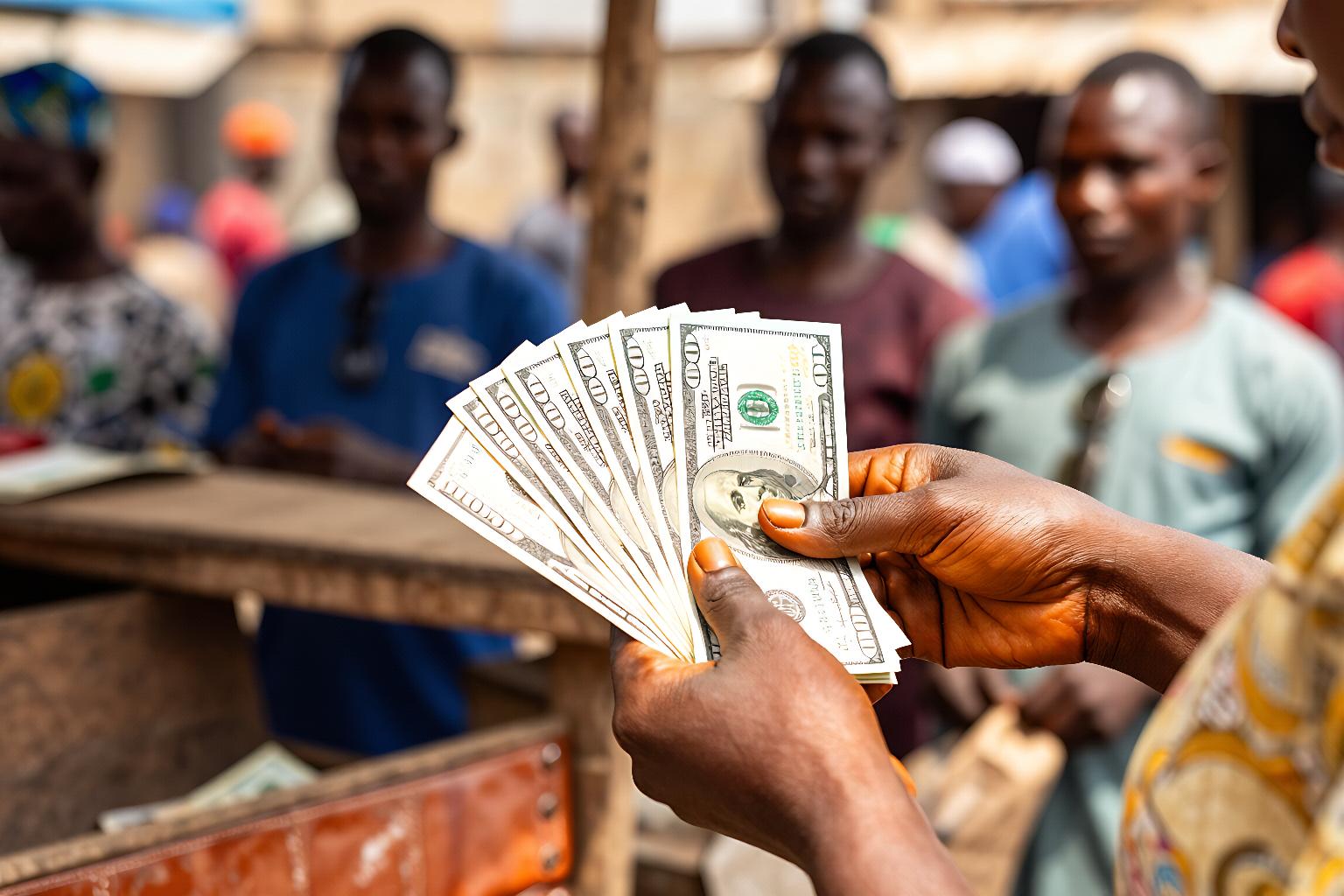
On a Tuesday morning in Lagos, someone checks the dollar rate on their banking app, then calls the bureau de change down the road and gets a completely different number. Same currency, same day, two quotes that don't agree. That's the everyday reality of the US dollar exchange rate in Nigeria. It isn't one figure you look up once and trust, and knowing which number applies to your situation is half the work.
Nigeria doesn't have a single dollar price. It has an official rate, published daily and used by banks, the central bank and most formal channels. And it has a parallel rate, set by the informal market of bureau de change operators and traders who buy and sell cash.
For years the two ran far apart. After the foreign exchange market was liberalised in June 2023, the gap narrowed considerably, and in calm weeks the official and street prices can sit within a couple of percent of each other. In tense weeks, when demand spikes ahead of school fees or when rumours swirl about reserves, the spread widens again and the street price climbs faster than the official one.
Which one you get depends on the channel. A transfer through a licensed provider will usually quote close to the official rate plus a margin. A trader with a bundle of hundred-dollar bills works off the street rate. Neither is fake. They're pricing different things: one is a regulated transaction with paperwork, the other is cash in hand, right now.
Crude oil still earns most of Nigeria's foreign exchange. When production holds up and prices are decent, more dollars reach the central bank and the naira has room to breathe. When output drops through pipeline damage, theft or maintenance, that support weakens.
Remittances matter more than most people assume. Nigerians abroad send home an estimated $20 billion a year, and that steady flow is a quiet stabiliser. Around December, when diaspora money peaks, the naira often firms up.
Imports pull in the opposite direction. Fuel, wheat, machinery, pharmaceuticals, phones: all of it is priced in dollars, and importers queue up to buy them. School fees, medical bills and travel bookings add to the line. When a lot of people want dollars at the same time, the price rises.
Currency markets trade on belief as much as on balance sheets. A clear policy announcement can calm things within days. A muddled one sends everyone scrambling for dollars at once, and that scramble itself pushes the rate higher, even when nothing fundamental has changed.
A number on a board is only part of the story. Before you accept any quote, check these:
Our guide on how to read the US dollar to naira rate before you exchange goes deeper into this, and it's worth five minutes if you're about to move a large amount.
Numbers on a screen feel abstract until they turn into rent, school fees or a plane ticket. What your dollars are really worth in Nigeria comes down to a single multiplication, plus a few deductions most people forget about.
If you're sending money into the country, a stronger dollar is good news for your recipient. $300 at ₦1,500 gives ₦450,000. The same $300 at ₦1,200 gives ₦360,000. That's ₦90,000 of difference for doing nothing differently except picking your moment.
If you're buying dollars for tuition, travel or stock, the maths runs the other way. Every naira of movement matters more as the amount grows, which is why importers watch the number the way traders watch a stock price.
And if you earn and spend purely in naira, the rate still reaches you. Fuel, imported food, phone data, the cost of a laptop: each carries a dollar cost somewhere in the chain. For a hands-on sense of what a single dollar covers locally, this breakdown of what one dollar buys you in Nigeria is a useful reality check.
The most common one is comparing headline rates instead of final payouts. Picture two dealers quoting on $2,000:
Dealer A's fee looks annoying, yet you end up ₦30,000 better off. That kind of gap hides in plain sight, and it's the same trap that makes a small spread so expensive in other corridors. There's a clear explanation of the dynamic in why a two-peso gap costs real money.
Second mistake: using the informal market for very large sums without a plan for the cash itself. A street rate of ₦1,600 sounds great until you're moving ₦8 million across Lagos in a bag. Weigh the rate against the risk and the paperwork.
Third: trusting a single source. Rates differ between banks, apps, bureaux and individual traders. Two phone calls before you commit can be worth tens of thousands of naira.
Nobody forecasts the naira reliably, and anyone promising you a perfect entry point is selling something. What works is a routine: check the official rate and the street rate on the same day, note the gap between them, and gather two or three quotes before any transaction above a few hundred dollars. Within a few weeks you'll recognise what's normal for your channel and what's an outlier worth questioning.
Understanding what the dollar-naira rate really means before you exchange gets easier once you track it yourself for a month. Write the numbers down: date, official rate, street rate, the quote you were offered. Patterns show up fast, and those ten minutes of comparison before a transfer are usually the best-paid ten minutes of your month.
Slot ID: blog-post-bottom