
Loading article...
Slot ID: blog-post-top
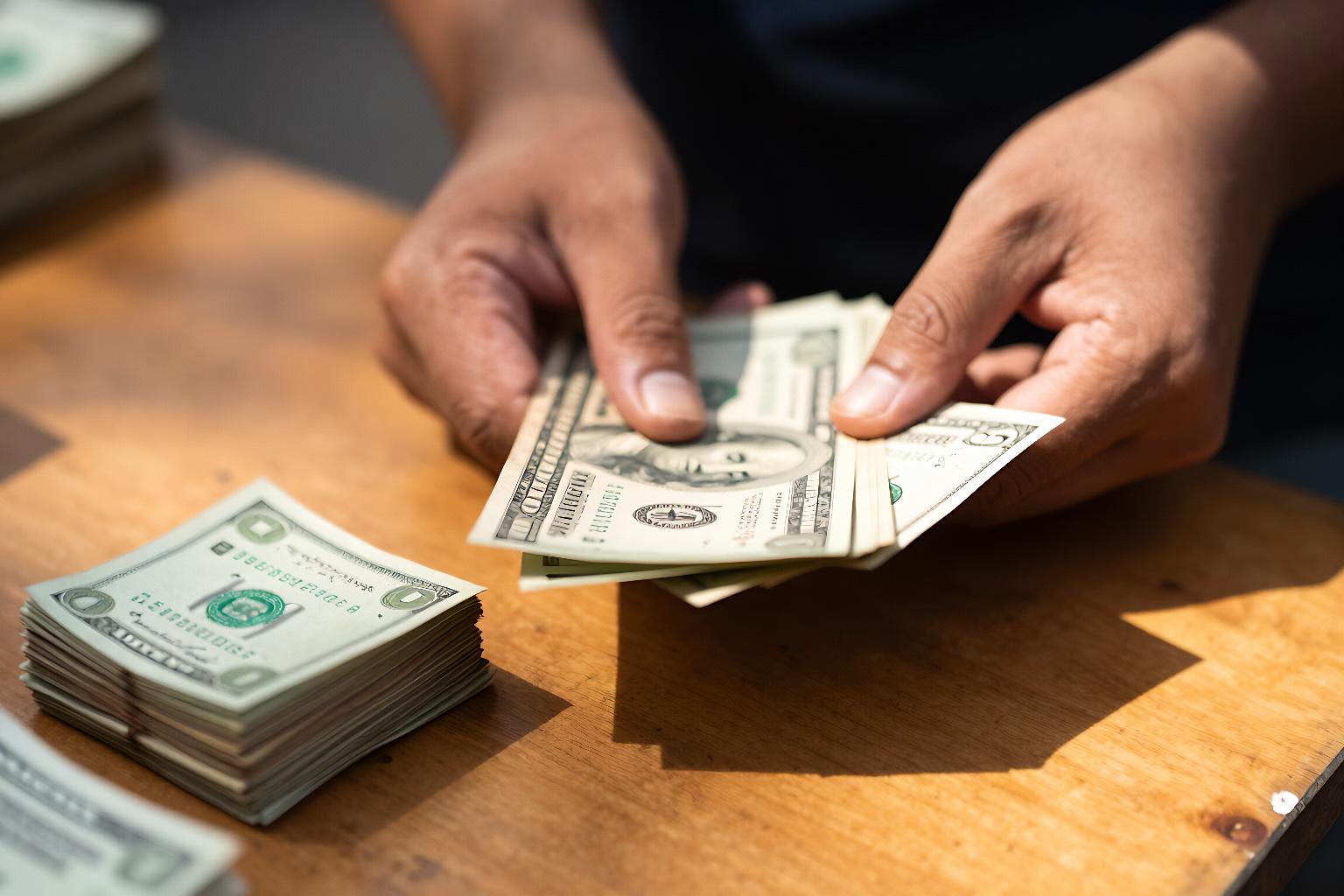
You search for the dollar to naira rate, get one number on your phone, then walk into a bureau de change and hear something noticeably different. Neither number is a lie. They are answering slightly different questions, and knowing which one you are looking at is the difference between a fair deal and an expensive one.
An exchange rate is just a price. For the dollar and naira, it tells you how many naira one US dollar buys at a specific moment. Everything else, the headlines, the app notifications, the guy at the airport kiosk, is a version of that same price with different costs baked in.
Rates get quoted in two directions and people mix them up constantly. A quote of ₦1,550 to the dollar means $1 buys ₦1,550. Flip it and a single naira is worth roughly $0.00065. If you ever see a small decimal like that attached to the naira, nobody is trying to trick you. It is simply the same fact turned upside down.
Most dealers show two numbers. The buy rate is what they will pay you for your dollars. The sell rate is what they charge when you want dollars from them. The sell rate is always worse for you, because that difference, the spread, is how the dealer earns a living. A spread of ₦30 on a $1,000 transaction is ₦30,000 in someone's pocket. That is not a rounding error.
The habit that saves money here is simple: always ask which side of the quote you are on, and ask for the final naira figure in writing before you hand anything over. The same discipline applies in every currency market, which is why guides on reading an exchange rate quote before you exchange are worth ten minutes of your time regardless of which pair you are trading.
Nigeria has more than one dollar price floating around at any given time, and that is the single biggest source of confusion for anyone converting dollars to naira.
At the time of writing, the dollar has been trading somewhere in the ₦1,500 to ₦1,600 band, but the naira has swung hard enough in recent years that any figure printed in an article has a short shelf life. What matters is the gap. When official and street rates drift apart, the difference on a $2,000 transfer can run into six figures in naira. A small gap between the quoted and received rate quietly eats real money, and the naira's gap is not small.
Currency values are driven by supply and demand for the currency itself, and Nigeria's supply side is unusually sensitive.
Oil sales bring in most of the country's foreign exchange, so a fall in crude prices or a drop in production tightens dollar supply fast. Import demand runs the other way, since Nigeria buys a huge share of its fuel, machinery, pharmaceuticals, and wheat from abroad, and every importer needs dollars to pay for it. Add policy shifts, reserve levels, and the confidence of foreign investors, and you get a currency that can move several percent in a week.
For anyone actually converting money, the practical lesson is not to forecast. It is to avoid being forced into a transaction on a bad day. If you know a payment is coming in three weeks, watching the rate for a few days tells you more than any prediction.
Take a clean example. You want to convert $500 to naira at a quoted rate of ₦1,550. Straight multiplication gives you ₦775,000. Now add the real world.
A bank might apply a margin of 2%, taking the effective rate to about ₦1,519, which lands you at ₦759,500. Add a flat transfer fee of ₦5,000 and you are near ₦754,500. A bureau de change quoting a worse headline rate of ₦1,530 but charging no commission pays you ₦765,000. The dealer with the uglier number wins by more than ₦10,000.
This is why comparing quoted rates alone is a trap. Compare the amount that actually lands in your hand or your account. Every time.
International transfer services usually advertise rates close to the official market, then make their money through a fee or a markup buried in the rate. Read the fine print on how they build that margin, because what a single dollar figure tells you about total cost is usually less than it appears. A rate that looks 1% better but carries a $12 fee is often worse than a cleaner offer on a $200 transfer.
Physical notes carry their own costs: counting risk, counterfeit checks, and the fact that naira cash has occasionally been scarce enough that dealers pay a premium for small denominations. Ask whether the quote is for clean, untorn $100 bills, because many traders pay less for smaller notes or older series. That haircut is real and rarely advertised.
If you are in Nigeria receiving dollars, a move from ₦1,500 to ₦1,580 on a $1,000 monthly transfer is ₦80,000 more in your account, roughly a week of groceries for a family in Lagos. If you are abroad supporting relatives, the same swing means your usual $300 now delivers ₦24,000 extra, or that you can send less and still hit the same naira target.
That is the useful way to think about the dollar to naira rate. Not as a headline to check once, but as a price you shop around for. Track it for a few days, know the difference between official and street quotes, and judge every offer by the naira that arrives rather than the number on the board. Anyone who does that consistently comes out ahead, whatever the market does next.
Slot ID: blog-post-bottom