
Loading article...
Slot ID: blog-post-top
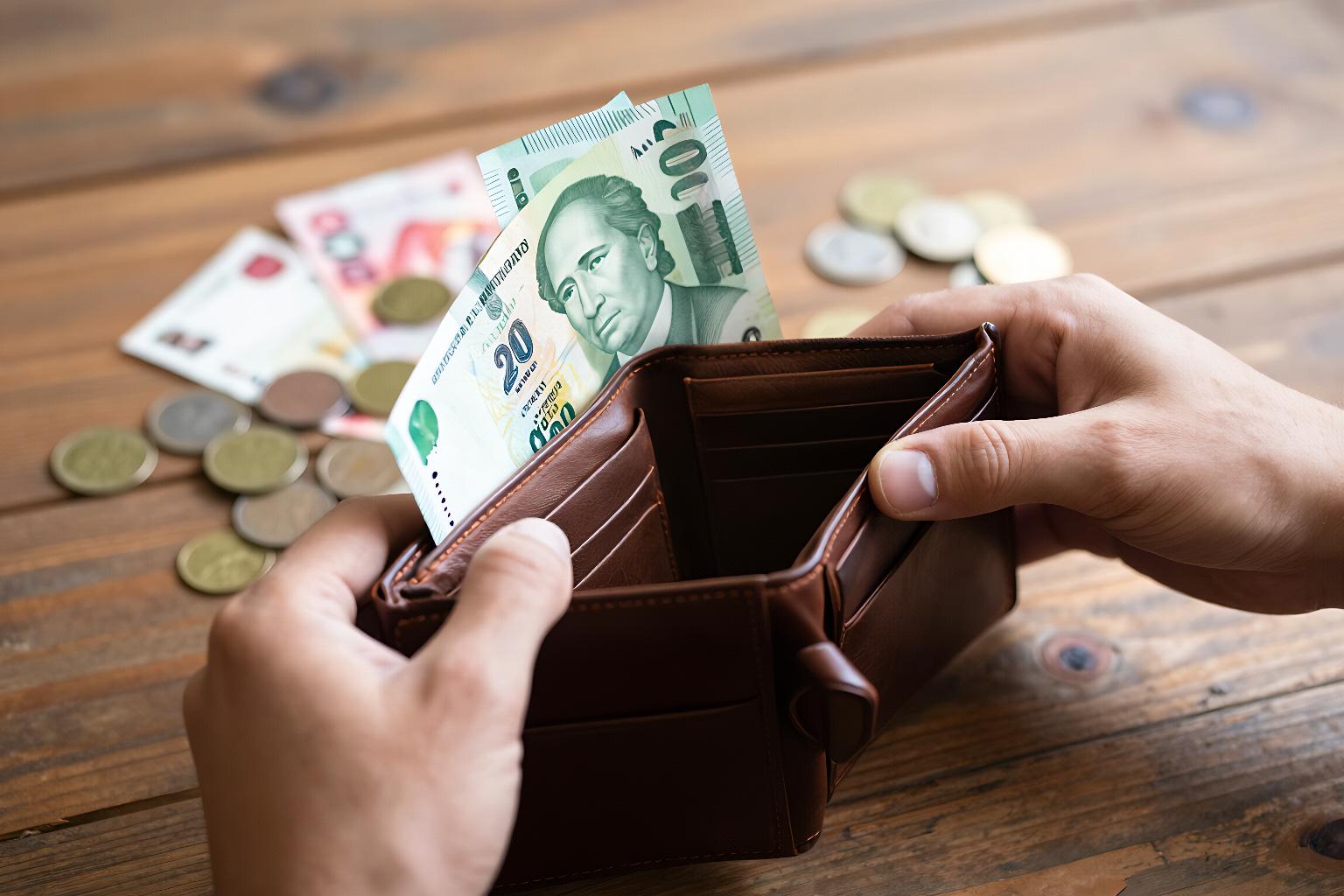
You step off the plane in Mexico City with 8,500 pesos left over from an amazing two weeks. Or maybe you're a freelancer in Manila who just got paid in PHP for a big project. At some point, you have to turn that local currency into US dollars. The process should be simple. In practice, it's a maze of confusing screens, tiny fees, and exchange rates that seem to move against you every time you look.
Before you hand over a single bill, take a breath. The difference between a good and a bad conversion can be more than 5% of your money. On a 10,000 peso transaction, that's $30 to $50 slipping away. This guide shows you exactly where that money goes and how to keep more of it in your pocket.
Searching "pesos to usd" on Google gives you one number at the top of the page. That's the mid-market rate, which is simply the average of the buy and sell prices for currencies in the interbank market. It's the fairest rate you could imagine, and it's the number you should always compare against.
When someone says "the Mexican peso is at 17.80 to the dollar", they usually mean the mid-market rate. For the Philippine peso, the number is much higher, typically around 58 to the dollar, because the peso's value is different. That's fine. The problem is that no one you actually do business with will give you that rate.
Currency exchange businesses have to make money somehow. They do it with the spread, the gap between the buy rate and the sell rate. If you're selling pesos to a US-based exchange, they might quote you a buy rate of 17.40 for MXN when the mid-market rate is 17.80. If you're buying pesos with dollars, they might sell at 18.20. That gap is their profit.
On top of the spread, many providers add a flat fee or a percentage commission. A bank might charge $5 or $10 per wire. An airport kiosk might charge a "no commission" sign but hide a 4% fee in the rate. These costs stack up.
The best place depends on how much money you're moving and how much hassle you're willing to deal with. Here are the most common options.
Your bank will happily sell you dollars for pesos, or convert a wire transfer. The rate is usually close to the mid-market rate, but you'll often pay a flat transfer fee or a currency conversion fee that's baked into the statement. For large amounts, banks are a solid choice. For small amounts, the fee can eat your gains.
They're convenient, but they're the most expensive option. Airport kiosks know you're captive. They often quote a spread of 5% or more and add a "service fee". If you only need a few hundred dollars, the loss might be acceptable, but it hurts on larger amounts.
Providers like CurrencyFair, Wise, and OFX offer rates close to the mid-market and charge a transparent fee. Many of these services let you lock in a rate and transfer directly to your bank account. They're often the best choice for converting pesos to usd when you have the time to set up an account. The same logic applies when you're changing other currencies, say Canadian dollars to US dollars. Our breakdown of Canadian dollar to USD conversion shows how hidden costs can wreck a seemingly good deal.
In Mexico, casas de cambio are abundant in tourist areas and border towns. They often offer better rates than banks or hotels, but you have to compare. Smaller stores might post a visibly worse rate, and some add a "cambio" fee. Always ask for the final amount in dollars before handing over your pesos.
The biggest mistake first-timers make is thinking all pesos are the same. The Mexican peso (MXN) and the Philippine peso (PHP) are unrelated currencies with very different values. At the time of writing, one US dollar buys roughly 17.5 Mexican pesos, while it buys about 58 Philippine pesos. So that 500-peso bill from Manila is worth around $8.60, but the same-numbered bill from Mexico is worth about $28.50.
When you're converting or sending money, make sure you're looking at the correct currency pair. Our detailed guide on converting Mexican pesos to dollars walks through the exact steps for MXN, including how to spot rip-off rates at exchange booths.
If you're going in the opposite direction, the USD to PHP conversion guide explains the same traps in reverse. The fees are just as sneaky, and the exchange rate swings can be brutal depending on the season.
You don't need a finance degree to improve your exchange rate. What you need is a little discipline and a free afternoon. Here's a practical checklist.
If you're receiving regular payments from abroad, like a pension or salary, a dedicated currency transfer service with a rate alert is almost always cheaper than wiring money through a traditional bank. The same fee patterns we've seen in other currency pairs, such as the euro to USD exchange rate, apply here too. The market moves fast, and locking in a good rate early can save you hundreds a year.
Regardless of which route you choose, the golden rule is to know the mid-market rate before you negotiate. Whether you're standing at a kiosk in Cancun or clicking through a bank's app at home, the person on the other side of the transaction knows the numbers. You should too. A few minutes of comparison shopping gives you the information you need to convert your pesos to usd with confidence, and keep the money you've earned.
Slot ID: blog-post-bottom