
Loading article...
Slot ID: blog-post-top
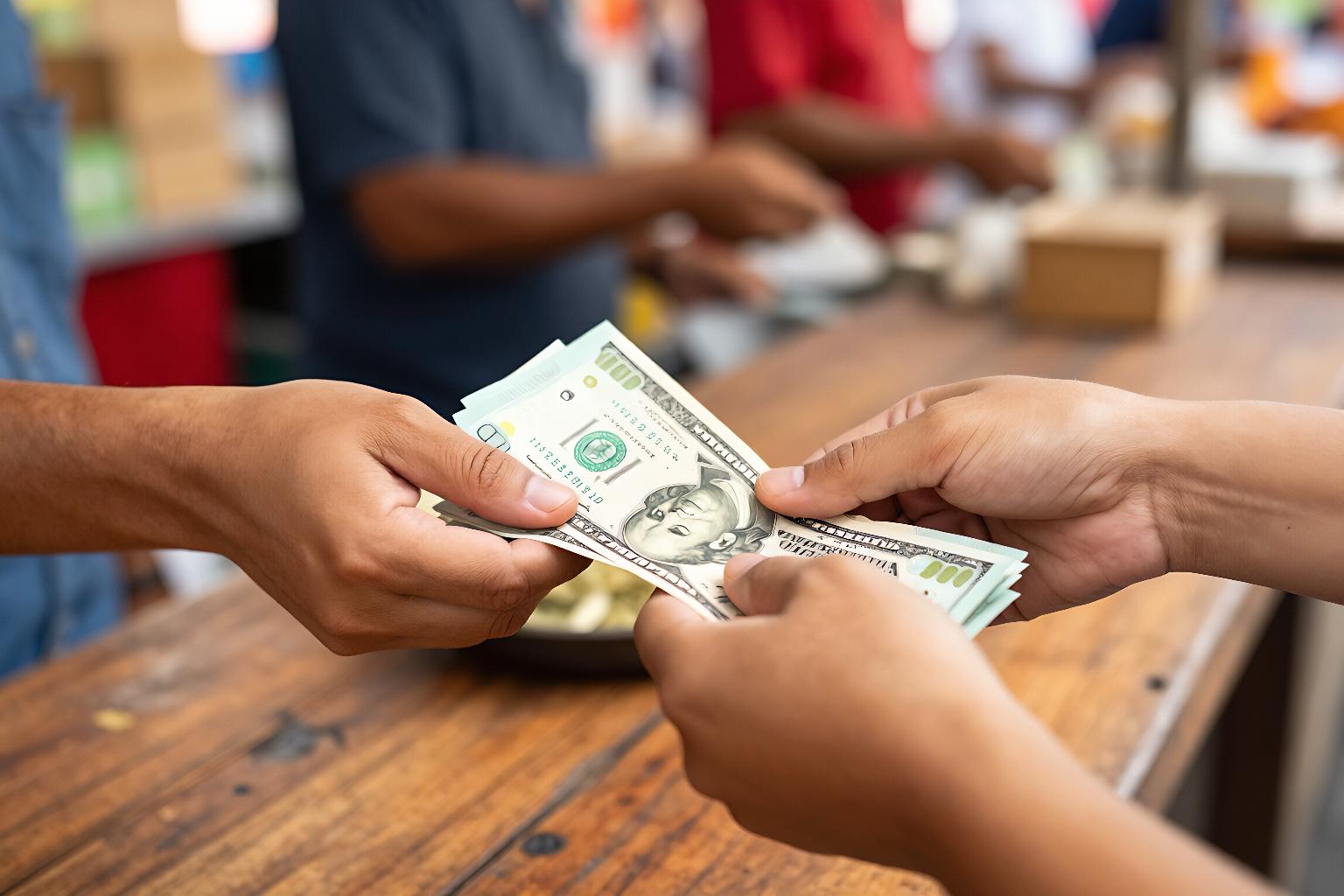
If you're sending money back to the Philippines, running a business that pays freelancers in Manila, or planning a long-awaited trip to the islands, the USD to PHP exchange rate is the number that decides how far your money goes. It looks simple enough on your phone – say, ₱55.2 per dollar – but the rate you actually get from your bank, remittance app, or money changer is almost always worse.
The gap between the published rate and the rate you're quoted can be massive. Over a $1,000 transfer, a difference of just ₱1 per dollar costs you ₱1,000. That's real money. So how do you make sure you're not overpaying?
Like every currency pair, USD/PHP is driven by supply and demand. When global investors want American dollars, the dollar strengthens. When they're selling dollars and buying pesos, the peso strengthens. Simple in theory, messy in practice. Several specific factors move the rate day to day:
Since the rate moves constantly, the only thing you need to remember is that the "current" rate you see on Google is a snapshot from the last few seconds. Your transaction will happen at whatever the live rate is at that moment, plus whatever markup your provider adds.
When you look up "usd to php", you'll usually see the mid-market rate – the halfway point between the buying and selling prices on the global foreign exchange market. It's the rate banks use when they trade among themselves.
You're never going to get that exact rate. Every bank, money changer, and online service adds a margin to make a profit. The markup is often expressed as a spread: the difference between the mid-market rate and the rate you're quoted.
Let's say the mid-market rate is ₱55.20. Your bank offers you ₱54.50 per dollar. That's a spread of ₱0.70 per dollar. On a $1,000 conversion, you lose ₱700. Add a flat transfer fee of $5, and you're out another ₱276. Total cost: nearly ₱1,000.
Some providers advertise "zero fees" while sneaking a larger spread into the exchange rate. Others show an attractive rate but hit you with a receiving fee on the other side. Always judge a deal by the total cost, not the headline fee or the flashy rate.
This pricing markup isn't unique to the peso – the same dynamic is at play when you're converting dollars to pounds, and knowing how to spot it is the first step to keeping more of your money.
You have a lot of options. Some are cheap, some are convenient, and a few are both. Here's a rundown of the most common channels:
Banks like BDO, BPI, and Metrobank offer USD to PHP exchange over the counter and through their apps. The rates are typically a little better than airport currency machines, but still carry a noticeable spread. If you're not a customer, you may also face a service fee. Bring your passport and expect to sign a few forms.
Walk into any mall in Makati or Poblacion and you'll see money changer stalls with buy-sell boards. They're competitive and often beat banks, especially for cash in good condition. But they can be picky: wrinkled, torn, or old-series dollar bills may be refused or offered a worse rate. Also, be aware that some money changers quote a "buy" rate for dollars and a "sell" rate for dollars, so make sure you're looking at the right column.
Wise, Remitly, Xoom, and WorldRemit have changed the game. These services typically use something close to the mid-market rate and add a transparent, upfront fee. They're ideal for sending money to someone's peso bank account or GCash wallet. The main thing to watch is the "arrival rate" – sometimes the service quotes one rate but the recipient receives fewer pesos because of a network fee. Read the fine print.
If you're a freelancer getting paid in USD through PayPal, you've probably noticed the gut-wrenching exchange rate. PayPal routinely charges a 3-4% currency conversion markup, plus a separate withdrawal fee. If you have a lot of transfers to do, use an alternative service that lets you withdraw in USD to your US bank and send via a better-converted transfer.
These final destinations are for convenience only. You will get a poor rate, and you may also get hit with a flat commission. If you've just landed, take out just enough to get to town. The ATM at the airport is often a better deal than the currency exchange booth – but check your bank's foreign transaction fee first.
Now that you know where the costs hide, here are concrete steps to keep more of your money:
And if you're starting with a different currency, the same principles hold – a traveller converting Mexican pesos to dollars, for instance, will face the same kind of spread. Our step-by-step guide on converting pesos to dollars covers the full process.
If you're a US citizen living in Australia or someone planning a trip to Europe, the mechanics are identical. The markup is just as crafty when you're reading the euro to dollar rate or checking the AUD to USD quote. The numbers are different, but the trap is the same.
It also works in reverse. The same applies to other major pairs. For example, tracking the USD to CAD rate? The advice is identical: never accept the first rate you see. Do a quick comparison, read the fine print, and remember that the headline number is never the whole truth.
Slot ID: blog-post-bottom