
Loading article...
Slot ID: blog-post-top
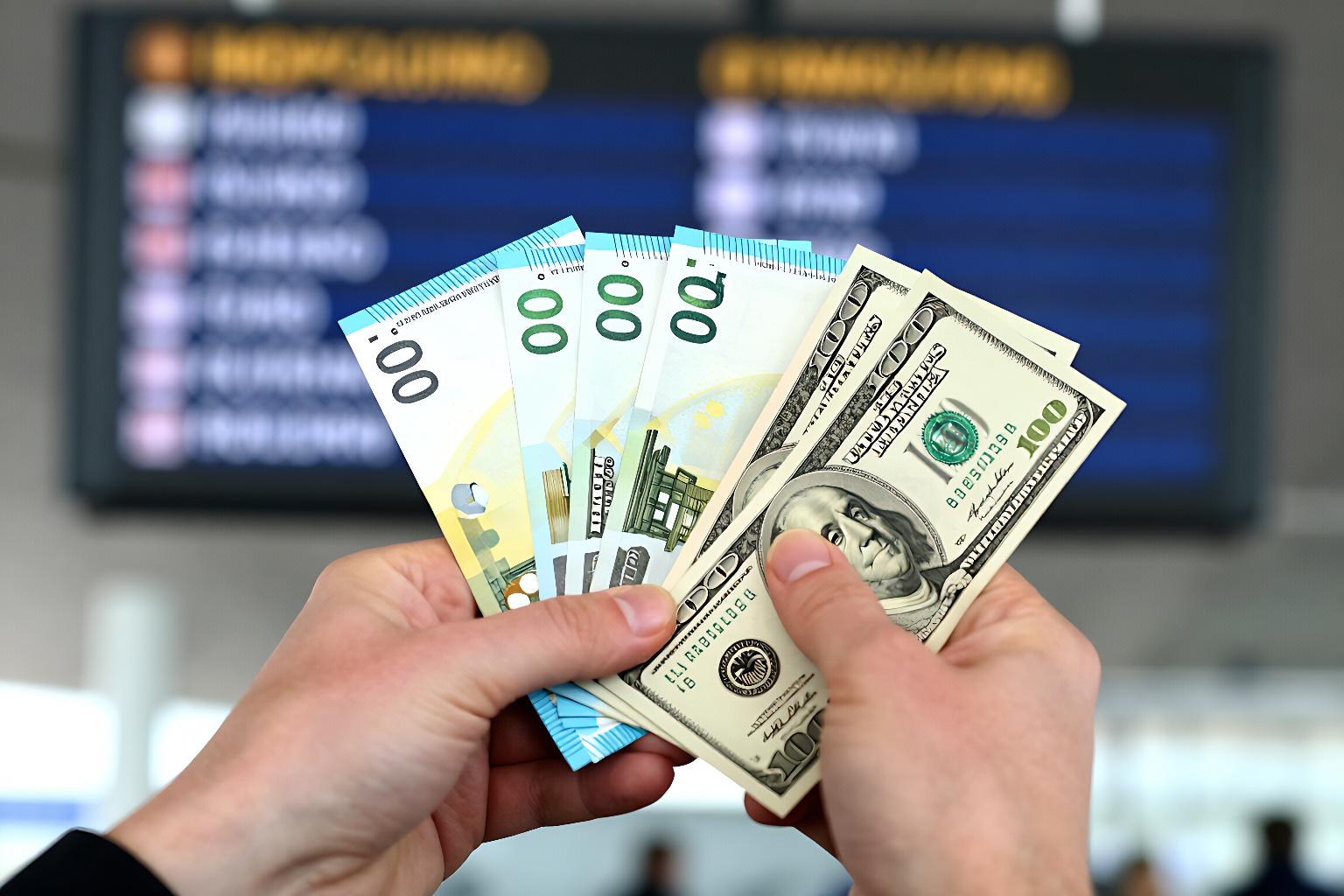
The euro USD exchange rate is the most watched pair in the world. Every day, around $2 trillion changes hands in EUR/USD trading. But whether you're buying a holiday home in Spain or selling software to a company in Texas, you probably just care about one thing: how many dollars you get for your euros, or the other way round.
That's what this guide will help you figure out.
EUR/USD tells you how many US dollars (USD) you need to buy one euro (EUR). So if the rate is 1.08, one euro is worth 1.08 dollars. The quote always shows the euro first because it's the base currency, with the dollar as the quote currency.
The value of one currency relative to another changes constantly. For the euro and dollar, the main drivers are:
When a central bank signals a future rate move, markets adjust immediately. You don't need to watch every speech. Just remember: rate expectations are the single biggest factor behind daily euro USD swings.
Here's where most people lose out. Banks and airport kiosks don't give you the market rate. They add a markup, often hidden inside the rate itself. The true mid-market rate is the one you see on Google or Bloomberg. If you pay €1,000 at a rate that's 2% off, you've just lost $20 or €20 depending on the direction.
That's why you need to compare services. My guide to reading EUR/USD and getting a fair rate on your money walks you through the exact steps, including how to spot a hidden markup.
Before you agree to any conversion, check what the real exchange rate is. A service that offers a rate close to the mid-market rate, with a clear fee, is often far better than one that claims "no commission" but gives you a bad rate.
Currency markets are shut from Friday evening to Sunday evening. Some providers use Friday's closing rate and then add extra margin to protect themselves over the weekend. If you're converting a large amount, it can be worth waiting until Monday.
Specialist services often give rates very close to the interbank rate for a modest fee. For larger amounts, the savings can be substantial. For example, on a €50,000 transfer, a 1% improvement in the rate is €500.
Let's say you need to send $20,000 from the US to the eurozone. If the current EUR/USD rate is 1.09, you divide your dollars by the rate:
20,000 / 1.09 = €18,348.62
If the rate goes to 1.10, you get €18,181.82. That's a difference of about €167. That's why even small rate moves matter on large sums.
The euro USD pair is one of many. If you're dealing with other currencies, the same principles apply. You might want to compare how the same pitfalls and tips work for other pairs. For example, if you're moving money between Canada and the US, check out our guide on getting a fair rate on Canadian Dollar to USD conversions. Australian dollars are another popular one, and our AUD to USD guide covers the details. For transfers in the other direction, our USD to CAD guide explains the fee structures north of the border.
We also have guides for specific corridors like USD to Philippine pesos and Mexican pesos to USD. Even if the pair is different, the core advice remains the same: know the mid-market rate, compare fees, and avoid tourist traps.
That's the practical side of euro USD. Understand how the quote works, keep an eye on the factors that move it, and never accept the first rate you're offered without checking it against the market. Your wallet will thank you.
Slot ID: blog-post-bottom