
Loading article...
Slot ID: blog-post-top
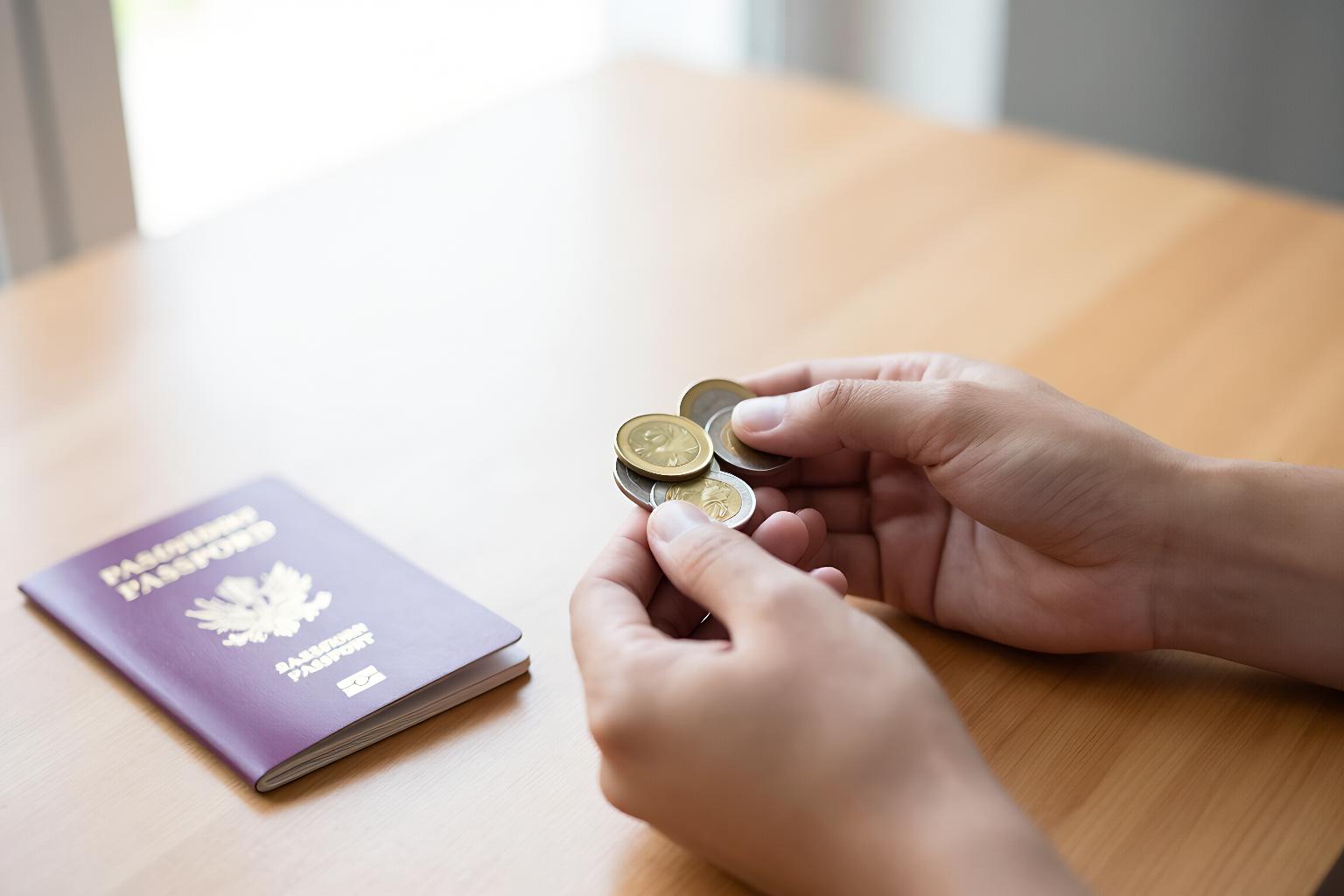
Foreign exchange can feel protected by a wall of jargon. Strip it back and it's simply the price of one currency in another. It also has more to do with your daily life than most people assume. Every time you buy a subscription that's priced in dollars, order a product from overseas, or use your card in another country, you're already taking part in this market.
Currencies are quoted in pairs because one currency alone can't show a meaningful price. When you see EUR/USD at 1.0850, it means 1 euro buys 1.0850 US dollars. That easy relationship is the whole foundation. The first currency in the pair is the base, and the second is the quote. If GBP/EUR changes from 1.17 to 1.18, the pound now buys more euros.
The foreign exchange market is not a single building. It's a network of banks, electronic trading platforms and brokers operating 24 hours a day, five days a week. About $7.5 trillion is traded every day, making it the largest financial market on the planet. Most of that trading is between professional institutions rather than people swapping pocket money at the airport.
The rate on Google is a mid-market rate, the midpoint used by large banks when they trade currencies in huge sums. That price is constantly changing according to what buyers and sellers are doing. But the public rarely gets direct access to the wholesale price. There is always a layer of retail business in between.
Institutions move the market by:
That stream of actions happens behind the scenes and determines the relative value of your money from one week to the next.
When an exchange service gives you a price, it adds a markup to the mid-market rate. This is often where the real cost of foreign exchange lies. If the market rate is EUR/USD 1.0850, a dealer may sell euros to customers at 1.0650 and buy back at 1.0950. The difference is the margin that covers the service and keeps the business alive.
That markup is the same reason a hotel or a corner store can quote a much worse rate than a search engine. Real estate, staffing, security and profit all have to come from somewhere. If you've ever wondered why you lose money on each exchange, this explanation of why the advertised rate isn't the rate you get goes through the numbers in detail.
Currencies are not arbitrary digital numbers. Their value changes based on how many people want to hold them. Behind every trend are clear drivers:
These forces move the market in real time and produce the second-by-second price changes visible on trading apps. A routine interest rate announcement can shift a currency by 1% in less than an hour.
The task of exchanging money appears at practical moments. If you are travelling and need cash in a new country, the choice of where to swap matters. Airport kiosks are the most expensive, but local providers can vary dramatically too. It pays to start with a quick primer on comparing local currency exchange desks before you hand over any money.
Cash is only one part of the picture. A fee for an overseas transfer is often quoted separately, but the exchange rate used can hide an additional loss. If sending money abroad for family or work has become a habit, this plain-English guide to international money transfers lays out how payment rails and pricing models compare.
To keep more of your money, never compare only the buy rate or only the fee. Put yourself in like-for-like terms: how many units of foreign currency do you get for every pound or dollar you hand over? That output is your effective exchange rate.
Likewise, be careful with "pay in your currency" prompts at card machines overseas. The merchant will convert the amount for you, but generally at an uncompetitive rate. Choosing the local currency instead lets your own bank perform the conversion, which is usually cheaper.
For larger transfers, specialist providers have changed the game. A breakdown of how Wise explains its fees and first transfer is a useful example for seeing the difference between transparent pricing and hidden spreads. The point is to compare against a financial institution rather than a travel agent.
Treat the mid-market rate as your only honest reference point. If a service shows no fee, the spread is where it makes money. If it claims the "real" rate, check the small print for a transfer fee. This two-part check can remove most of the confusion.
Once you think in terms of the currency you actually receive and the total cost to send it, foreign exchange stops feeling intimidating. It becomes a straightforward choice between alternatives.
Slot ID: blog-post-bottom