
Loading article...
Slot ID: blog-post-top
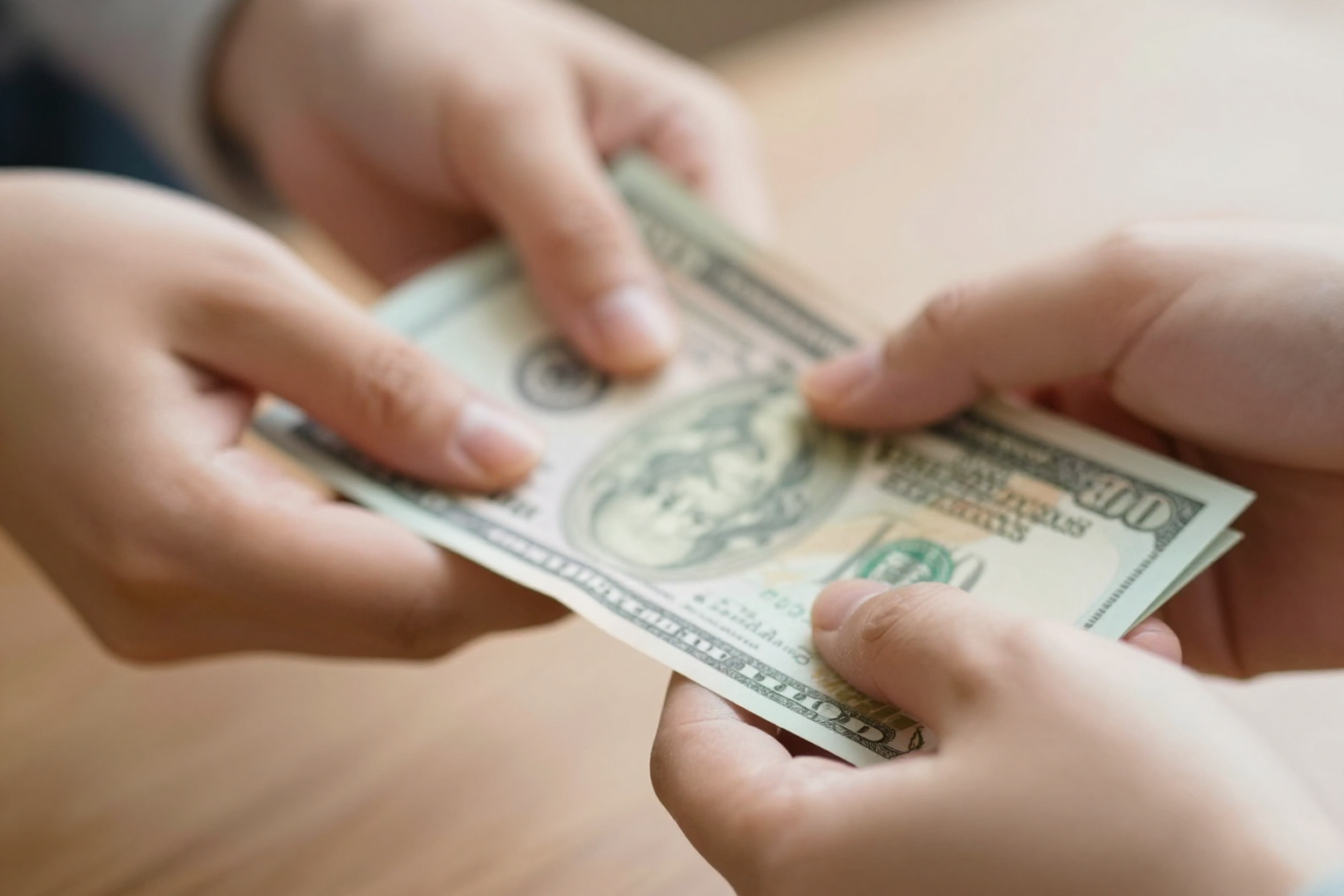
You type the words “currency exchange near me” into your phone, and a list of local spots appears. What the search results won’t show you is why one shop gives a better rate than another. This guide starts with the basics so you can walk into any exchange service and know exactly what you’re looking at.
If you’re travelling soon and have always relied on the nearest counter, you’re not alone. Most people learn currency exchange by handing over money and hoping for the best. The better way begins with this: every foreign exchange desk is in business to make money on the difference between two rates.
Walk past any exchange shop and the board will show two numbers for each currency pair. For example, under US dollars you might see We Buy at 1.29 and We Sell at 1.25. The terms are from the shop’s point of view: they buy dollars at 1.29 from you and sell them to you at 1.25. In other words, the higher number is what you get when you convert back, and the lower number is what you pay when you buy.
If the real interbank rate is 1.27, the shop is taking a cut on both sides. Let’s say you want US$500. At a sell rate of 1.25, you pay £400. At the fair market rate of 1.27, you would pay roughly £394. That £6 is the cost of the spread. Now multiply that by a few hundred customers in a single day, and the spread becomes a solid revenue stream.
If the terminology feels foreign, the absolute beginner’s guide to currency exchange explains the basic vocabulary in a separate, slower walk-through.
Many shops advertise “0% commission,” assuming you won’t look at the actual exchange rate. They can do this because exchange rates are not regulated like a fixed retail price. The shop decides how far from the true market rate it wants to trade. A wider spread lets it print a no-commission sign and still make money on every single transaction.
Always judge an offer by the total cost: the difference from the mid-market rate plus any flat fee. The rate should be on the receipt, so don’t be shy about asking for it. When you compare only the commission, you make the kind of costly foreign exchange mistakes that quietly drain your travel budget.
Not all exchange points are created equal. Your map will often show several categories within walking distance.
Airport exchange desks are famous for poor rates, and that’s not an accident. They operate inside high-rent spaces, often pay fees to the airport, and know you’re in a hurry. If you exchange £300 there and the rate is 3% worse than the local high street, you’re holding about £9 less in foreign currency. Airport kiosks have their place, but they should be a last resort, not a first choice.
Your own bank may sell euros, dollars or other currencies at a better rate than a tourist-zone shop. Some branches won’t keep large amounts of cash on site, so calling ahead or ordering online can save you a wasted trip. If you’re an account holder, you may also avoid a delivery or handling fee. Ask about the note denominations before you pick up your order.
Standalone exchange shops in normal shopping areas often have thinner spreads because they compete on price. Many post their daily rates on their own websites, which means you can compare without visiting each store. Shops located in busy tourist districts, on the other hand, can afford to charge more simply because they see more walk-ups.
Once you’re at a shop, ask the following before you hand over any money.
These questions sound simple, yet people rarely ask them. If you want a fuller list of snags, look at the 9 common mistakes that quietly eat into your travel cash so you can avoid them before you arrive.
The most beginner-friendly way to get a fair deal is to prepare in two steps. Start by checking the live mid-market rate on any currency website. Then call two or three exchange services near you and ask them for the final amount you’ll receive. If you are exchanging a larger sum, you can sometimes negotiate a better rate, especially when the shop is not crowded.
Ordering online for collection often works better than walking in on the day. Many currency exchange businesses let you reserve a rate online and pick up the cash at a nearby branch. That way, you avoid standing in line while the numbers on the board keep moving.
Currency exchange near me is the right tool when you need physical cash in your hand. But when money is going straight to someone else’s bank account abroad, you are sending an international payment, not swapping paper notes. For those transactions, an international money transfer explained in plain English can show you why digital providers often beat a local counter on both speed and cost.
Now you know what the shop sign is really telling you. The two rates, the spread, the buy-back conditions, and the “no commission” advertising all play a part. Next time you type “currency exchange near me”, you’ll be able to look at the results with a much more experienced eye.
Slot ID: blog-post-bottom