
Loading article...
Slot ID: blog-post-top
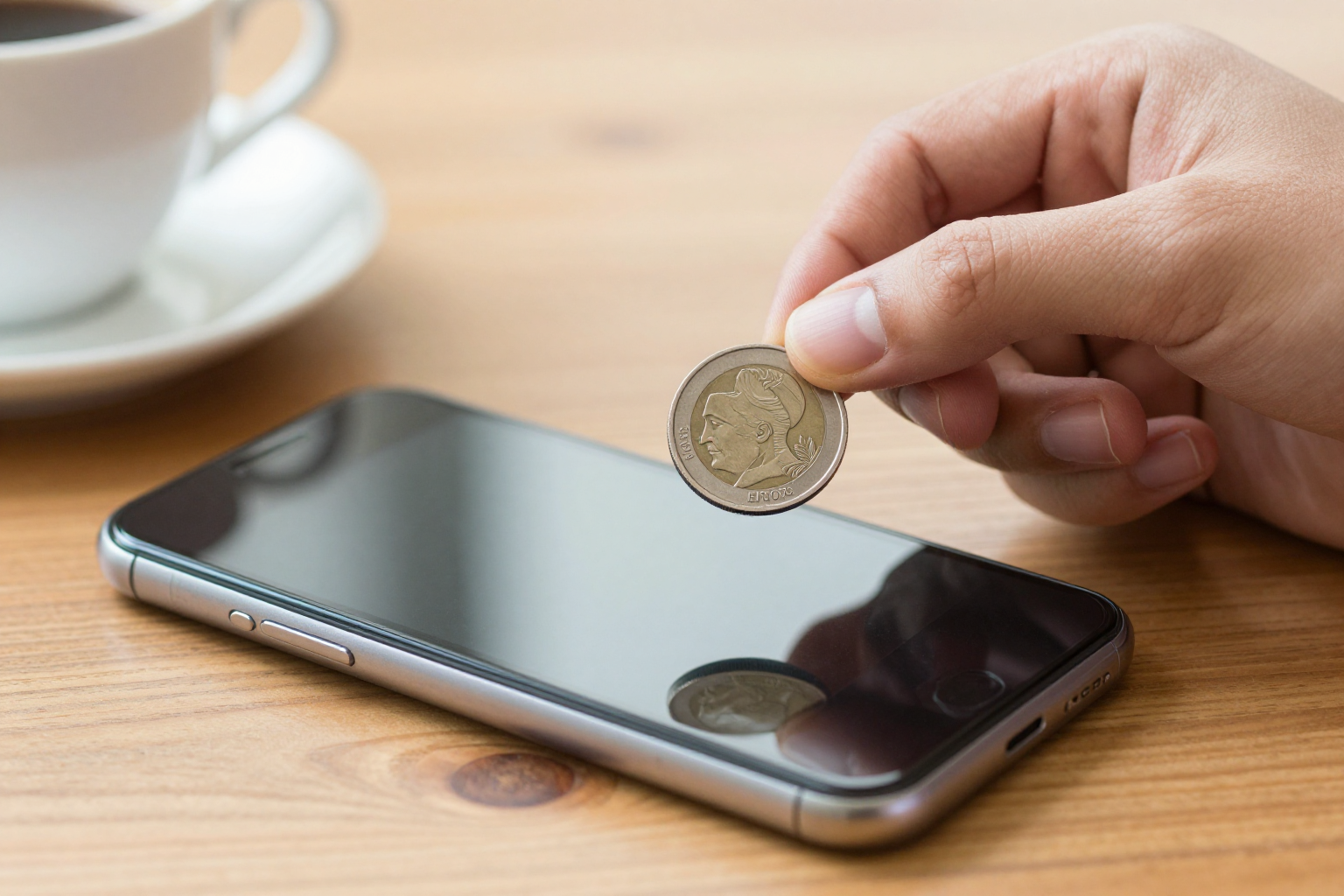
You open your phone at breakfast and see that Bitcoin is up 5% in an hour. A friend mentions she sold some Ethereum to pay for a flight. Your uncle calls the whole thing a scam. You want to understand what cryptocurrency actually is, without the jargon or the hype. That's what this guide is for.
Cryptocurrency is digital money that uses cryptography to secure transactions. It doesn't exist as paper or metal. It exists as entries in a shared digital ledger. Most cryptocurrencies are not controlled by a government or a central bank. Instead, a network of computers around the world manages them.
Bitcoin, the first and most valuable cryptocurrency, launched in 2009 by an anonymous creator using the name Satoshi Nakamoto. Since then, thousands of others have appeared, including Ethereum, Litecoin, and Solana.
Every transaction lives on a blockchain. Think of it as a notebook that thousands of computers hold simultaneously. When you send Bitcoin, the network checks that you really own the coins and that you haven't tried to spend them twice. It then writes the transaction into a new block, linked to all previous blocks. That is why it's called a chain.
To make a payment, you open a digital wallet. Your wallet contains an address (like a bank account number) and a private key (like a pin). You enter the recipient's address, choose the amount, and press send. Your wallet signs the transaction with your private key, proving you own the funds. The network verifies the signature using public keys, so your private key never leaves your device.
Miners on Bitcoin, or validators on Ethereum, bundle pending transactions into a block. Once that block is confirmed, the transaction is effectively final. The process takes anywhere from a few seconds to an hour depending on the network and the fee you're willing to pay.
This confuses a lot of people. With a stock, you own a piece of a company that generates profit. With cryptocurrency, there is no company. You own a token that exists on a computer network. Its value comes from demand.
Take Bitcoin. There will only ever be 21 million coins. No one can print more. If more people want to buy than sell, the price rises. If panic hits, it falls. This supply and demand dynamic explains a lot of price movement. For a deeper look at what moves the numbers, check out this guide to the mechanics behind every Bitcoin price ticker.
But it's not just speculation. People also use cryptocurrency to transfer money across borders, buy digital art as NFTs, lend and borrow, and interact with applications built on Ethereum. That real usage supports the value too.
Here are some of the practical reasons people use it:
But this freedom comes with responsibility. Lose your private key and no one can help you recover it. Send money to the wrong address and it's gone forever. That's why many people either love crypto or stay away entirely.
Newcomers tend to make the same errors. They leave coins on an exchange, forgetting that exchanges are regularly hacked. They fall for fake giveaways on social media. They buy at the top because a celebrity tweeted about it. And they panic sell at the bottom, locking in losses.
The good news is that every one of those traps is avoidable if you know it exists. This article covers some of the most common cryptocurrency mistakes that nobody warns you about until it's too late. Read that before you put real money in.
Also, when you buy or sell, you might be paying far more than you think. Some exchanges sneak in a wide gap between the buy price and the sell price. If you're planning to trade, understanding the price traps can keep more money in your pocket. This guide explains how to spot those traps and start getting better rates.
The simplest route is a major exchange. Create an account at Coinbase, Kraken, or Binance. You'll need to verify your identity, link a bank account or card, and place an order. Once you buy, you'll see a balance on the exchange.
But that balance is only a promise from the exchange. For anything more than pocket change, you want a wallet you control. A software wallet like MetaMask works for Ethereum. A hardware wallet like Ledger or Trezor gives you the strongest protection. If the exchange gets hacked, your coins in your own wallet remain safe.
For a step-by-step walkthrough that covers identity verification, payment methods, and safely moving your coins, this buying guide for first-time cryptocurrency users is the best place to start.
This is one of the first questions beginners ask. Bitcoin is the original and the most widely accepted. Think of it as digital gold. It's slow and expensive when the network is busy, but it's also the most secure.
Ethereum is a platform, not just a currency. Developers build applications and smart contracts on it. The coin, Ether, pays for the computing power behind those applications. It's more volatile than Bitcoin but with far more use cases.
Stablecoins like USDC and USDT are pegged to the US dollar. They don't move up and down in value. You use them when you want the speed of crypto without the volatility. Each serves a different purpose. This crash course on Bitcoin vs Ethereum vs stablecoins breaks down which one fits your goals.
Once you own cryptocurrency, security becomes your only job. The most important rule is to keep your private keys secret and backed up. Write them on paper and store them somewhere dry and fireproof. Don't take a screenshot and leave it in your camera roll. Don't email them to yourself.
Enable two-factor authentication on any exchange you use. Use a unique password and a password manager. For larger amounts, buy a hardware wallet. A Ledger or Trezor costs between $50 and $150 and protects you from malware and phishing.
Start with a small amount you can afford to lose. Make test transactions. Learn how fees work on Bitcoin and Ethereum. Once you understand the flow of sending and receiving, the whole system stops feeling mysterious.
Slot ID: blog-post-bottom