
Loading article...
Slot ID: blog-post-top
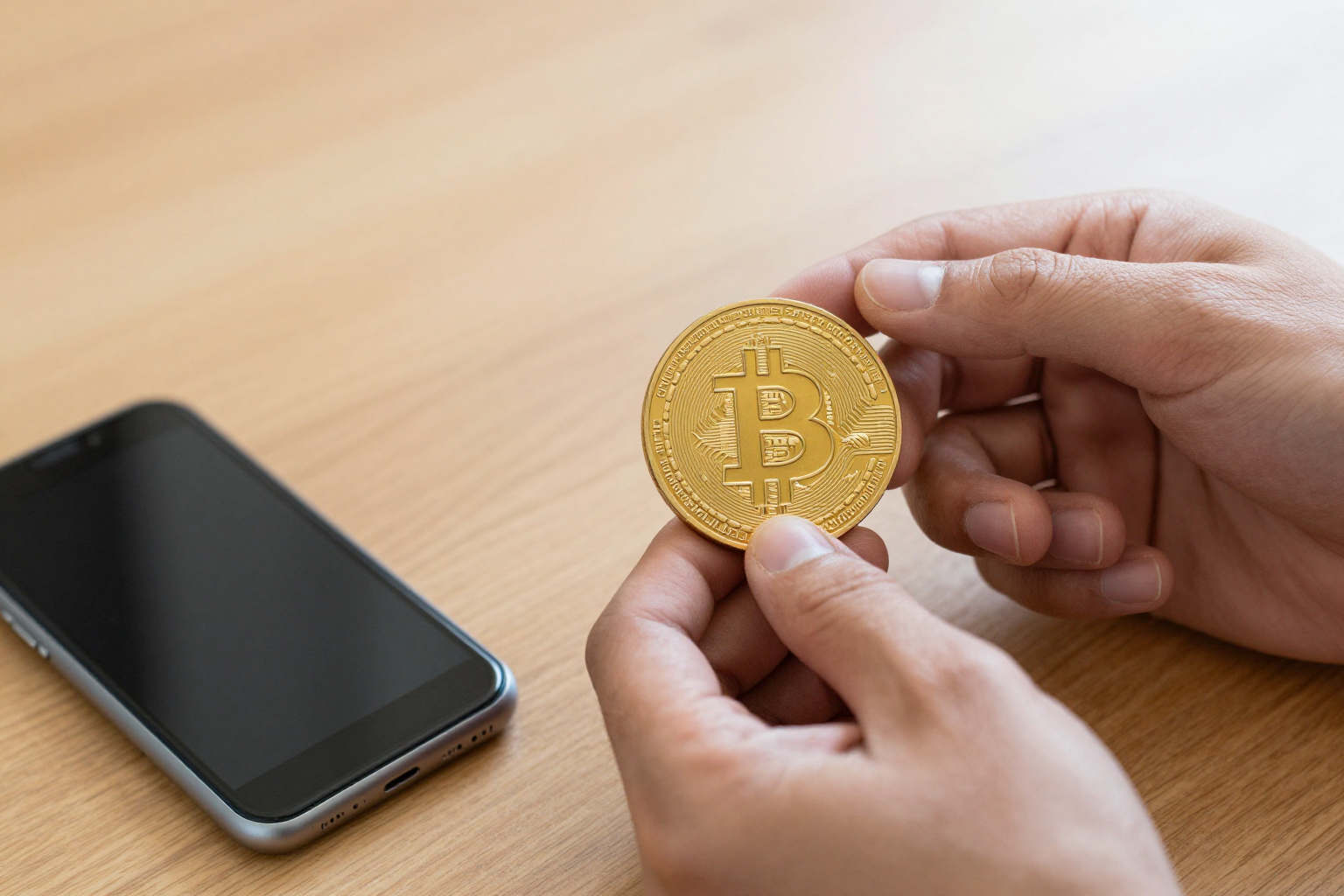
You've decided to buy some cryptocurrency. Good. Maybe you're worried about missing out, or you've been quietly researching for months. Either way, you don't need a finance degree to make your first purchase. You just need a clear path. This guide is that path. We'll use a realistic example: Sarah, a 30-year-old teacher from Manchester, buys her first 0.02 BTC with £1,000. Her steps are the same steps you'll take, regardless of which coin you choose or how much you're spending.
You don't need to buy a hardware wallet before you start. You don't need to understand blockchain consensus. But you do need three things: a form of identity, a bank account, and a mobile phone or computer. That's it. You'll also want to decide whether to keep your coins on the exchange or move them to a private wallet. For your first purchase, using a reputable exchange is fine. Just know the difference.
An exchange wallet is managed by the company you bought from. It's convenient, but the company holds your private keys. That means they control the coins. A private wallet, on the other hand, gives you the keys and full control. If the exchange goes down or gets hacked, a private wallet protects you. But for a small test purchase, an exchange wallet is perfectly acceptable to start with.
Not all cryptocurrency exchanges work in every country. In the UK, Coinbase and Kraken are regulated and reliable. In the US, Gemini and Kraken are popular choices. In Asia, you might find Binance or others. Sarah uses Coinbase because it's regulated by the Financial Conduct Authority here in the UK, and she can link her bank account directly. Regulation matters. If an exchange collapses, a regulated one has proper procedures in place to return funds. Check reviews, fees, and which coins are supported. And if you plan to trade between crypto pairs later, make sure the platform supports them.
This is the biggest hurdle for new buyers. In the UK, you'll need a passport or driving licence and a quick selfie. Sarah uploads her driving licence, waits about twenty minutes, and she's approved. This process is called Know Your Customer, or KYC. It feels invasive, but it's a legal requirement designed to stop money laundering. You'll also link your bank account by logging into your bank through the exchange's app. This uses the same Open Banking technology you see in budgeting apps. Once linked, you can transfer money without waiting for manual approval.
Sarah decides to deposit £1,000 from her bank. Most exchanges offer free bank transfers, but they can take a few hours. Card deposits are instant but cost two to three percent. Sarah chooses the bank transfer, and the money lands in her Coinbase account after two hours. You'll now see a balance in your local currency. You've successfully turned your bank money into exchange money. It feels odd at first, but it's no different from putting cash into a pre-paid card.
This is where many people get nervous. You'll see a "Buy" button, a drop-down list of coins, and two order types: Market and Limit. Sarah clicks "Buy", selects Bitcoin, and chooses a market order. A market order means you buy instantly at the current price. The price you pay includes a small spread, which is the difference between the live price and the exchange's price. Plus an exchange fee. So you might receive slightly less crypto than you'd expect from search results. If you want to understand exactly how the real Bitcoin rate works, this guide on getting the rate you'll actually receive breaks it down with real numbers.
Sarah types 0.02 BTC into the amount box. The exchange shows her the total cost including fees, which comes to £1,002.40. She confirms, and within seconds she owns 0.02 BTC.
A limit order lets you choose the exact price you're willing to pay. For example, if Bitcoin is currently trading at £50,000, you could place a limit order at £49,500. Your order will only fill if the price drops to that level. That's great if you want to save money, but for your first purchase, a market order is simpler and guarantees you actually get your coins. There's no waiting and no risk of missing out.
After buying, your cryptocurrency stays in Coinbase's wallet. That's fine for a small amount, but Sarah doesn't want to leave £1,000 with a third party. She transfers her coins to a private wallet. There are two main kinds: hot wallets and cold wallets. Hot wallets are software apps like Exodus or MetaMask that live on your phone or computer. Cold wallets are physical hardware devices like Ledger or Trezor. For her £1,000, Sarah chooses Exodus, a hot wallet, because it's free and easy to install.
She creates a new wallet and writes down the twelve recovery words on a piece of paper. Then she goes back to Coinbase, clicks "Send", enters her Exodus Bitcoin address, and sends a small test amount first, about £10. After it arrives, she sends the rest. The network fee for the transfer is £1.20. Always test with a small amount first, no matter how confident you are.
Now you own cryptocurrency. What's next? You can hold it, sell it, or convert it into another coin like Ethereum or USDC. If you sell at a profit, you may owe capital gains tax depending on where you live. In the UK, your first £3,000 of gains is tax-free, but anything above that is taxed. Keep records of every buy and sell, because you'll need them at tax time.
If cryptocurrency feels overwhelming after your first purchase, you're not alone. A practical guide to buying, selling, and converting digital money walks through the full lifecycle of coins, so you can trade with confidence. And if you're watching the price daily, remember that short-term movements are just noise. Before you panic-sell, read about Bitcoin's price trends and what actually drives them in 2025. Understanding the cycle matters more than the daily ticker.
Start small. Buy £50 or $100 first, and repeat the steps until they feel automatic. You'll make mistakes, and that's fine, because they'll be cheap mistakes. Keep everything in a little notebook. The aim is not to make a fortune overnight. The aim is to learn the mechanics so you're ready when a real opportunity appears. Now go set up your account and make your first move.
Slot ID: blog-post-bottom