
Loading article...
Slot ID: blog-post-top
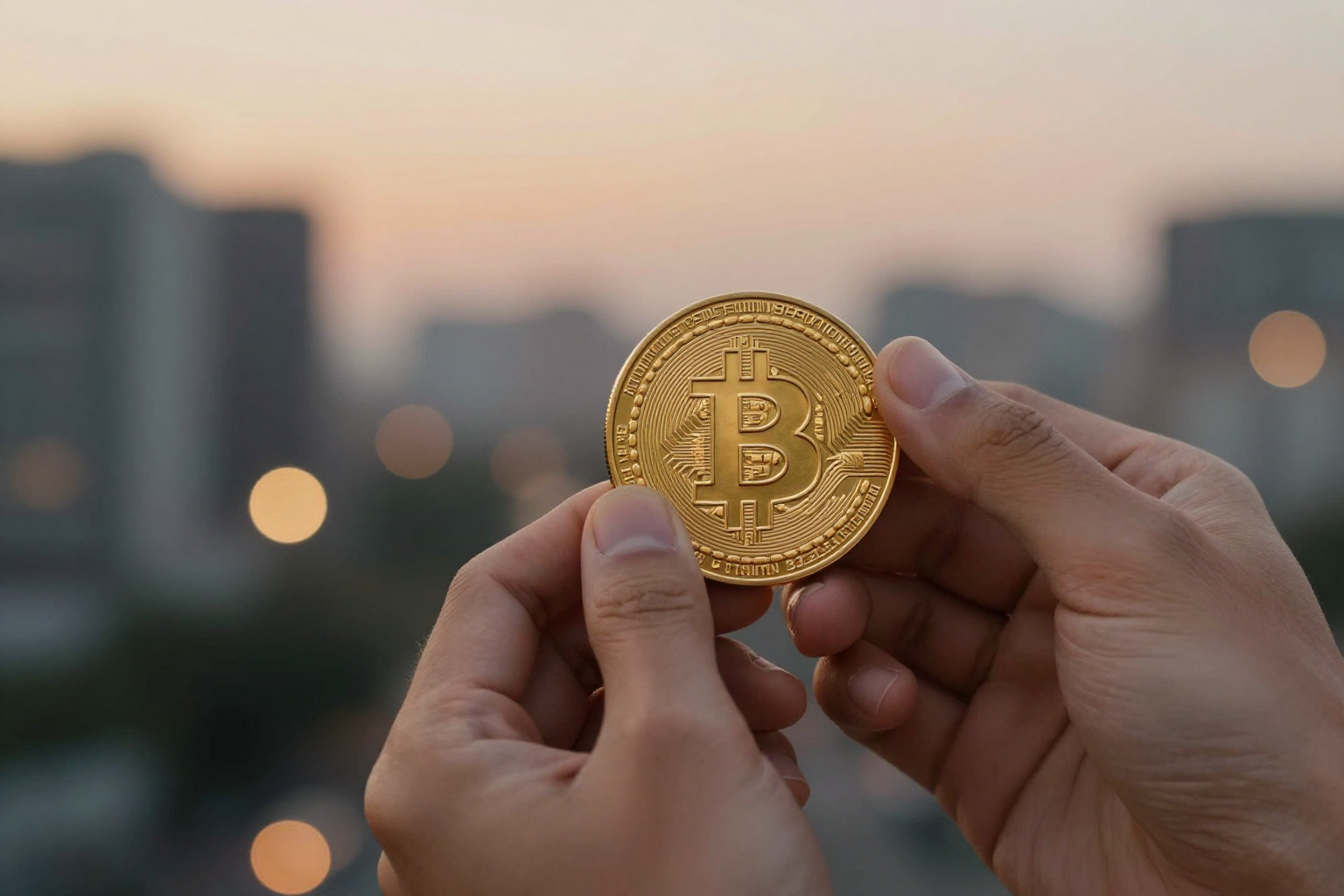
The bitcoin price has never been a quiet number. It’s the sort of asset that can climb 20% in a week, then give back half of it in a single afternoon. For anyone just watching from the sidelines, it can feel chaotic. For people who own some, it can be nerve-wracking. But behind the noise, there are identifiable forces at work. Understanding them won’t tell you exactly where the price is heading tomorrow, but it will help you make smarter decisions than most people making bold predictions on social media.
At its most basic level, bitcoin behaves like any market. When more people want to buy than sell, the price goes up. When the reverse happens, it falls. But the supply side of bitcoin is unusual because it’s written into code.
There will only ever be 21 million bitcoin. And new coins are released to miners at a rate that gets cut in half roughly every four years, in an event known as the halving. The last halving took place in April 2024, which reduced the new supply going onto the market. Historically, these events have coincided with significant price rises in the following 12 to 18 months, though not always immediately and not without painful pullbacks along the way.
The halving matters because it reduces the natural selling pressure from miners, who often need to sell some of their rewards to cover electricity and equipment costs. But it’s not a magic switch. Prices are also driven by demand, which is influenced by interest rates, global liquidity, and general investor appetite for risk. In 2025, we’re seeing a different kind of demand: large institutions, exchange-traded funds (ETFs), and even some pension funds are allocating small percentages of their portfolios to bitcoin.
That institutional money changes the character of the market. It can make rallies more sustained, but it also means bitcoin is increasingly correlated with traditional risk assets like tech stocks. When the Federal Reserve hints at delaying rate cuts, bitcoin often feels the chill just like any high-growth stock.
Because bitcoin is priced primarily in US dollars, the value of the dollar itself has a direct impact. When the dollar weakens, bitcoin often rises; when the dollar strengthens, bitcoin tends to struggle. That inverse relationship is one of the most useful things to watch if you’re trying to gauge short-term momentum.
This is where foreign exchange markets and bitcoin overlap more than you might think. If you’re buying bitcoin using pounds, euros, or rupees, you're taking on two risks at once: the bitcoin price risk and the currency exchange risk. A move in the pound-to-euro rate or the dollar-to-rupee rate can eat into your profits before you even sell a single coin.
That’s why smart investors pay close attention to exchange rates when moving money into or out of crypto. If you regularly trade between currencies, it’s worth learning how to get the best exchange rate without hidden fees. The same principles that apply to fiat currency exchanges—avoiding airport kiosks, comparing mid-market rates, and watching out for margin markups—also apply when you convert cash to bitcoin and back again.
For a deeper look at how to avoid overpaying on FX conversions, check out our guide on getting the best pound to euro exchange rate. The mechanics translate directly to moving money into a crypto exchange.
Open any crypto app and you’ll be confronted with candlesticks, moving averages, and a thousand technical indicators. It’s easy to feel like you need a PhD to understand it. But there are a few simple concepts that get you 80% of the way to reading a chart sensibly.
Support levels are prices where buyers tend to step in. Resistance levels are where sellers tend to appear. But these aren’t physical lines on a graph; they’re psychological zones. If bitcoin has bounced off $60,000 three times, people start to expect that. When it finally breaks through, that same level can flip from resistance to support.
The key is not to treat these levels as exact. A support level being “tested” doesn’t mean it will hold. It just means you should watch how the market behaves at that price—does it bounce quickly, or does it linger and feel weak?
Price moves on low volume are less trustworthy than moves on high volume. If bitcoin shoots up 5% on a weekend when trading desks are quiet, that’s nice, but it’s not the same as a 5% rally on a Tuesday with heavy volume. Institutional money moves markets, and it tends to work Monday through Friday.
A simple rule: strong price moves with high volume are more likely to be “real” moves. Weak moves on thin volume often get reversed.
It’s fair to ask whether bitcoin’s price reflects actual usefulness or just collective excitement. The honest answer is both, and they feed each other.
Bitcoin allows people to move value across borders without a bank, 24 hours a day, 7 days a week. In countries dealing with extreme inflation or strict capital controls, it’s not a toy; it’s a lifeline. This real-world use case supports a baseline of demand that isn’t going away.
There’s also the “digital gold” narrative. Just as people buy gold to hedge against inflation and economic uncertainty, some investors buy bitcoin for the same reason. It’s scarce, portable, and doesn’t depend on any government’s promises.
But let’s be honest: a significant chunk of bitcoin’s price is driven by momentum, celebrity tweets, and the fear of missing out. When you see a coin double in a month because an influencer mentioned it, that’s not utility. That’s a casino with extra steps.
For bitcoin specifically, the hype tends to build in cycles. Every time the price hits a new all-time high, a wave of retail buyers enters, often near the top. Understanding this pattern doesn’t make it easy to time the market, but it should make you cautious about buying after a massive run-up.
If there’s one factor that can move the bitcoin price faster than anything else, it’s regulation. A single government announcement can send the price plunging or soaring. In 2024 and 2025, we’ve seen a patchwork of approaches around the world.
Some countries are embracing bitcoin with clear legal frameworks, while others are cracking down on exchanges or banning certain uses. The US Securities and Exchange Commission’s approval of spot bitcoin ETFs was a major turning point, opening the door for mainstream investors. But regulatory clarity is still far from complete, and every new policy proposal makes headlines.
The takeaway is simple: keep an eye on regulatory news, but don’t try to predict it. It’s inherently unpredictable. Instead, focus on how the market reacts to news—that tells you more than the news itself.
If you want to track bitcoin’s price without getting swept up in the daily drama, here are some approaches that work:
On that last point, it’s worth remembering that currency exchange platforms aren’t all the same. Banks and brokers often add a margin on top of the mid-market rate, and you might not even realise it. If you’re serious about investing, take the time to understand how rates and fees work. Our exchange rate guide explains exactly how to spot these hidden costs and cut them down.
For many people, the connection between bitcoin and their local currency is very direct. If you live in the UK and earn in pounds, the price you pay for bitcoin depends on the GBP/USD exchange rate. If the pound strengthens against the dollar, bitcoin becomes cheaper for you, all else being equal. If the pound weakens, it gets more expensive.
Similarly, if you’re sending money to family in another country and using bitcoin as a bridge, you’re exposed to two spreads: one on the fiat-to-bitcoin conversion and another when your recipient converts bitcoin back to their local currency. Getting those conversions right matters just as much as catching bitcoin at the right price.
That’s why understanding the local currency pair is crucial for anyone trading bitcoin internationally. If you’re converting between dollars and rupees, for example, you’ll want to read up on the best ways to get the US dollar to rupees exchange rate. The same logic applies whether you’re moving $100 or $100,000.
Every day, there are hundreds of headlines about bitcoin. Some will say it’s going to $100,000. Others will say it’s going to zero. Most of them are written to get clicks, not to inform you.
A more useful approach is to focus on the long-term trends: adoption by institutions, improvements in infrastructure, and the regulatory environment. These factors evolve slowly and tell you where the bitcoin market is heading over years, not hours.
And if you’re making any international money moves as part of your crypto strategy, don’t neglect the fiat side. Getting knocked a few percent on a currency conversion is a silent drag on your returns, just as much as a bad entry point on the bitcoin chart itself. Fortunately, you don’t need to be a foreign exchange expert to avoid the worst of it. A few simple habits—like avoiding surprise fees on currency exchange—will keep more money in your pocket, whether you’re buying bitcoin or just travelling abroad.
Bitcoin’s price will keep swinging. That’s what it does. But if you understand the underlying forces—supply and demand, the dollar, regulation, and yes, exchange rates—you can stop reacting to every headline and start making considered decisions. That’s the difference between gambling and investing.
Slot ID: blog-post-bottom