
Loading article...
Slot ID: blog-post-top
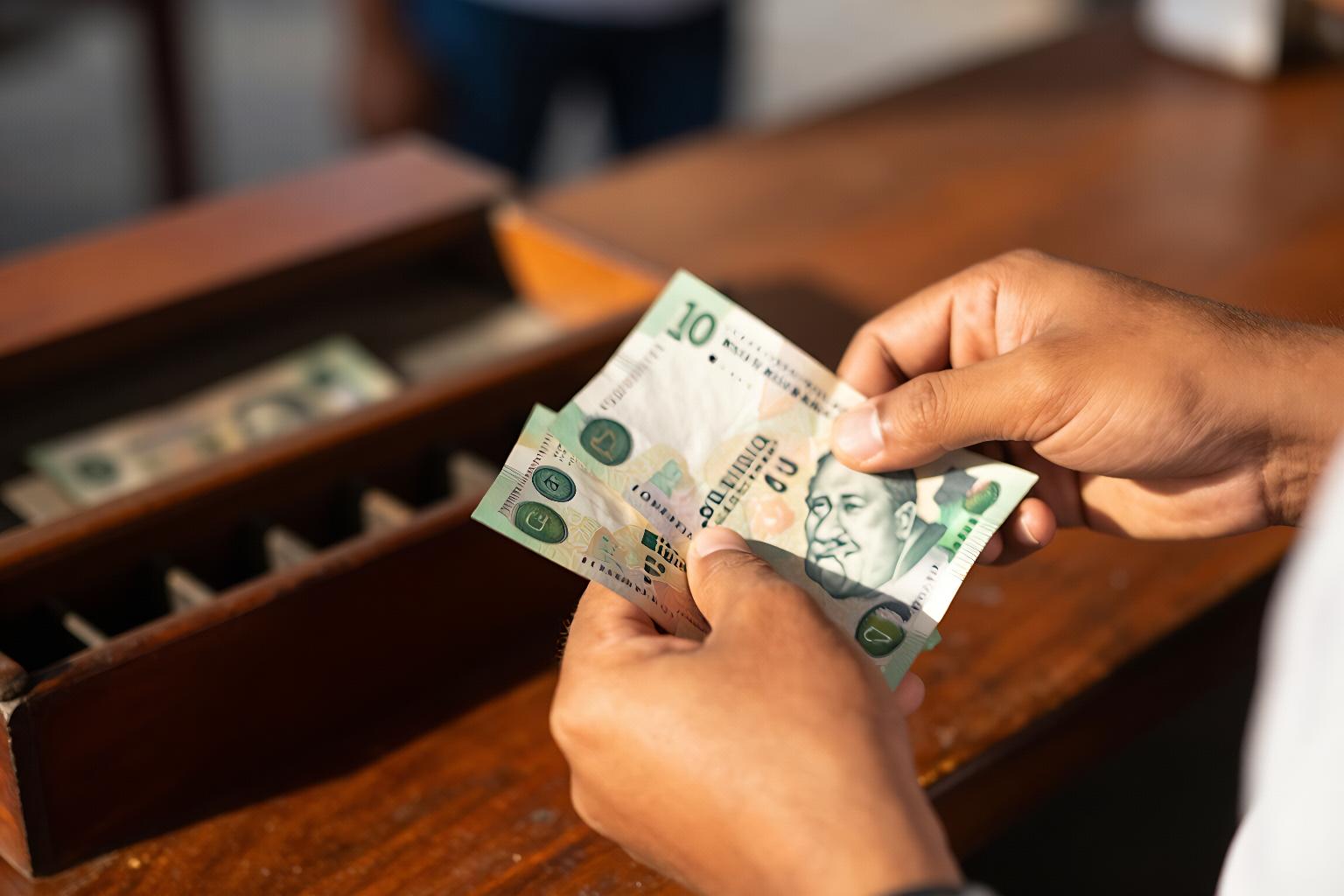
Converting $100 to pesos sounds like a two-second job. Type the amount, read the number, move on. Then you land in Manila, hand over the bill at a money changer, and the figure on the receipt is smaller than the one you saw online. That gap is where most travellers and senders quietly lose money, and it usually has nothing to do with bad luck.
Here is what a 100 usd to php converter is actually telling you, where the hidden costs sit, and how to walk away with something closer to ₱5,800 instead of ₱5,450.
At a mid-market rate of roughly ₱58 to the dollar, $100 converts to about ₱5,800. That is the number Google, XE, and most converter tools show you. It is the interbank rate, the fair benchmark, and the only sensible starting point for judging every other offer you get.
If you want to sanity-check how a single dollar behaves against the peso, this breakdown of what one dollar really converts to shows how the rate scales up from $1 to $100 and beyond.
Now the less pleasant part. Walk into an airport kiosk in Cebu with a $100 bill and you might see ₱55.50 posted. That is ₱5,550 in your hand, which means ₱250 disappeared before you bought a single thing. That is 4.3% of your money, gone, on one transaction.
Four costs get layered onto the mid-market rate. They are rarely labelled clearly, which is exactly why they work.
Stack a 3% spread and a ₱200 ATM fee on a $100 withdrawal and your effective rate can land near ₱54. The converter said ₱58. That difference matters more than most people assume. If you want a deeper walk-through of avoiding these leaks, the guide on how to convert USD to PHP without quietly losing money on the rate covers each one in detail.
In the Philippines, the counters inside SM and Robinsons malls are usually competitive, often within 0.5% to 1% of the mid-market rate. They want clean, unmarked bills. A crisp $100 note gets a better rate than four wrinkled $20s, and damaged notes get refused outright.
BDO, BPI, and Metrobank handle dollar-to-peso exchanges, but you will need ID and sometimes an account. Rates are decent, service is slow, and branches close early. Worth it for larger sums, less so for a single $100 bill.
Useful in a pinch, expensive for small amounts. A ₱200 fee on a ₱5,800 withdrawal is 3.4% before your home bank has even weighed in. Withdraw larger amounts less often, or use a card that refunds fees.
Convenient and about the worst rate you will find. Change a small amount on arrival, maybe $50 to cover the taxi, and do the rest in town.
For sending money to family or a Philippine bank account, services like Wise and Remitly typically show you the mid-market rate plus a small transparent fee. Sending $100 might cost you $1 to $2 in total. That is hard to beat for anyone not physically there.
A $100 bill is the best-value note to bring. A $10 bill might get a rate 1 to 2 pesos lower per dollar, which on a full $100 exchange is ₱100 to ₱200 lost. If you are bringing cash, ask your home bank for new, uncreased hundred-dollar notes. Anything with a tear, a pen mark, or heavy creasing risks being rejected altogether, and older series bills sometimes draw a lower rate.
The rate moves. Through 2024 the dollar-peso rate swung from the low ₱55s to nearly ₱59, and a two-peso move on $100 is ₱200, which is roughly two restaurant dinners in Manila. Nobody times the market perfectly, but timing matters if you are flexible.
Watch for patterns. The peso often weakens during heavy import seasons and around major holidays when remittance demand spikes. If you are planning a trip months out, converting in smaller chunks over several weeks averages out the swings instead of betting everything on one day.
Every converter shows you one number. Before you trust it, check three things: the timestamp on the rate, whether it is mid-market or a retail quote, and whether fees are included or added later. A rate with no timestamp could be a day old, which is an eternity in a fast-moving pair. If the tool lets you compare providers side by side, look at the final amount delivered, not the headline rate.
The mechanics of reading these quotes properly are broken down in the US dollar to Philippine peso converter, explained with real numbers, which is worth ten minutes before any large transfer.
Numbers on a screen are abstract. Here is what $100 in pesos looks like on the ground in the Philippines.
So ₱5,800 stretches to roughly four comfortable days of food and transport for one person, or two days if you are adding tours and a hotel room. That is a meaningful amount of travel sitting behind one bill.
Going the other direction? If you are converting pesos back to dollars, the reverse maths matters just as much, and what 10,000 pesos really gets you is a useful mirror for the same set of costs.
A quick routine saves a surprising amount over a trip or a year of transfers.
None of this is complicated. It is just the difference between letting a converter do the thinking and using it as a starting point. On $100 that difference is usually ₱200 to ₱400, which is a night in a hostel, a nice dinner, or simply money that stays in your pocket where it belongs.
Slot ID: blog-post-bottom