
Loading article...
Slot ID: blog-post-top
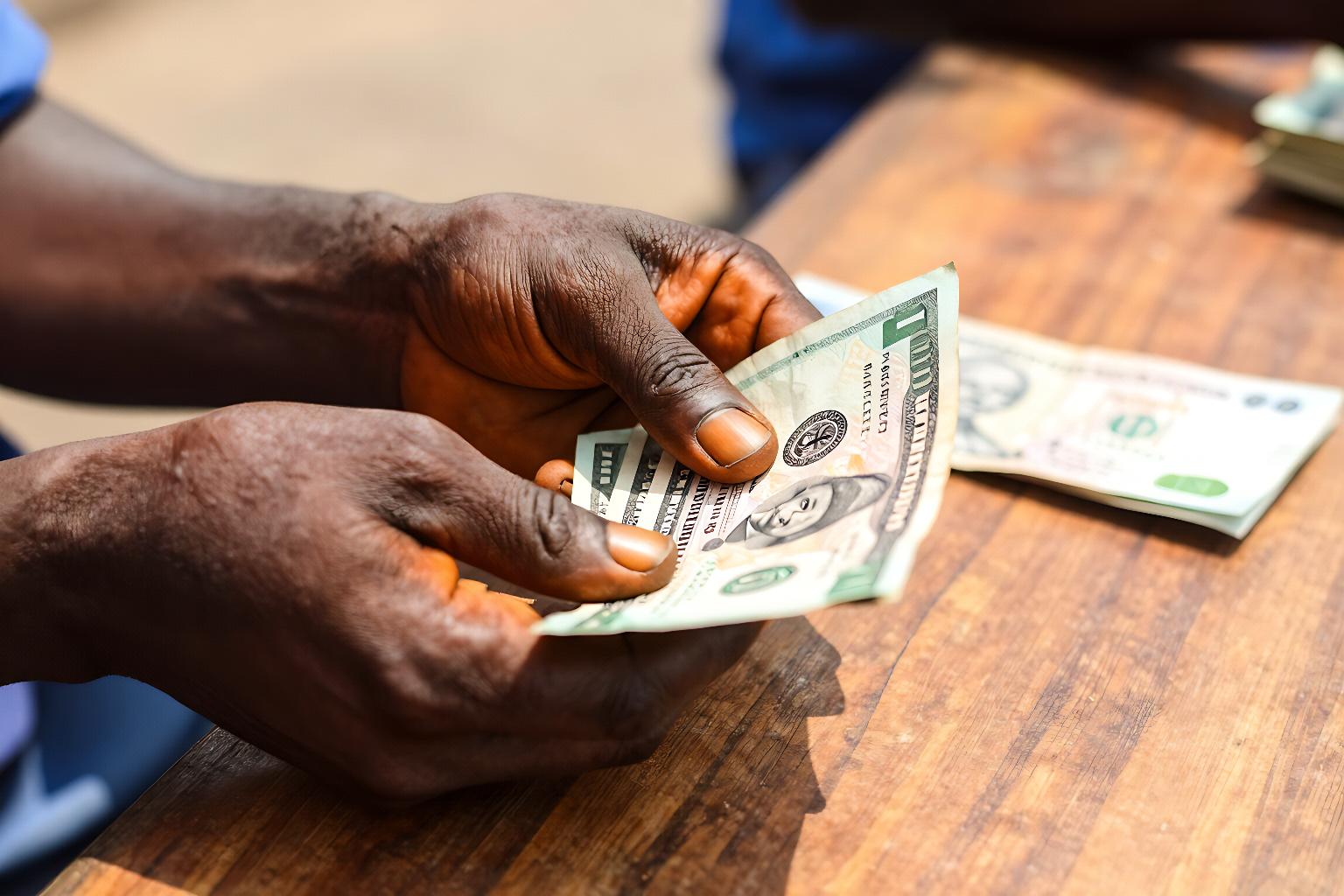
Type “1 us dollar in naira” into a search bar and you get a tidy answer: a single number, usually somewhere in the ₦1,500 to ₦1,600 band as I write this. Handy. Also incomplete. That figure is accurate for a specific moment, a specific type of transaction, and a specific dealer. Change any one of those and the number moves.
Here is what actually sits behind that one-dollar quote, and how to use it without getting caught short.
The quote runs one way: naira per dollar. So ₦1,550 means one US dollar buys 1,550 naira. Flip it and ₦1,000 is worth roughly 65 cents. That second direction matters more than most people realise, because when the rate shifts by ₦50, the dollar has moved about 3% while the naira has lost about 3%. Same event, different framing.
Scale it up and it becomes real money. At ₦1,550, $100 is ₦155,000 and $1,000 is ₦1,550,000. At ₦1,600, that same $1,000 is ₦1,600,000. A ₦50 difference that sounds trivial on one dollar becomes ₦50,000 on a thousand.
Google, X, and most currency apps pull from a mid-market feed. It is the midpoint between the highest price a buyer will pay and the lowest price a seller will accept, across large institutional trades. Nobody hands you that rate in cash. It is a reference point, not an offer.
Every dealer quotes two prices: the rate at which they will take dollars off you, and the rate at which they will give dollars to you. If a bureau de change says ₦1,530 and ₦1,570, that ₦40 gap is the spread, and it is how they eat. Understanding that gap is the single most useful skill in reading the dollar rate in Nigeria today, because the headline number tells you almost nothing about what you will actually walk away with.
Nigeria has more than one price for the dollar. The Central Bank publishes an official rate through the Nigerian Foreign Exchange Market, which banks and importers use. Alongside it sits the parallel market, the bureaux de change and street traders who serve anyone walking in with cash.
The two rates have spent years apart from each other. In 2016 the gap was enormous. After the 2023 unification it narrowed sharply, then drifted again. On any given week they can sit within a few naira of each other or split by double digits. If you are comparing quotes, make sure you know which market you are being quoted, since what the US dollar exchange rate in Nigeria actually represents depends entirely on which window produced it.
Spend on a foreign card and you get the card network's rate plus your bank's markup, typically somewhere between 1% and 4%. Send money through a remittance app and the fee may look tiny while the rate quietly sits 2% below the market. A bank selling you dollars at the counter may charge a flat commission on top. Three providers quoting the “same” rate can differ by several thousand naira on a $500 transfer.
Numbers on a screen are abstract. Prices in a market are not. At roughly ₦1,550 to the dollar, a single dollar is about the cost of a loaf of bread in Lagos, a couple of sachets of pure water, a short keke ride on some routes, or a modest data top-up depending on your plan. For anyone earning in naira and thinking in dollars, that is a sobering conversion.
The purchasing-power side is worth sitting with, because the exchange rate and the price of bread do not move in lockstep. There are stretches when the naira weakens faster than shop prices adjust, and stretches when it goes the other way. If you want a grounded sense of that, this breakdown of what one dollar actually buys you in Nigeria is a more useful yardstick than the ticker.
Ten years ago the official rate sat near ₦199 to the dollar, with the street trading a little above ₦220. By 2020 the official figure was around ₦360 to ₦410 depending on the window. In June 2023 the multiple windows were collapsed into one, and the rate jumped to roughly ₦770 almost overnight. Through 2024 it pushed past ₦1,500. Each step traced the same pattern: pressure builds, reserves get spent defending a number, then the number gives way.
That history explains the volatility you see week to week. It also explains why nobody sensible quotes a fixed rate for a future date.
Skip the headline. Work through these instead:
All of that is really one habit: treat the rate as a starting point for a conversation rather than an answer handed down from above. This piece on what that rate really means before you exchange goes deeper on the questions worth asking at the counter.
Percentage points feel academic until they are applied to a real sum. A 2% gap between two providers on $50 is ₦1,550, which is annoying but survivable. On $5,000 it is ₦155,000, which is a month of rent in many Nigerian cities. Larger sums deserve a slower decision: get written quotes, compare the total received rather than the advertised rate, and check whether the provider locks the rate at the moment you submit or at the moment it settles.
It also pays to think about what you are actually converting. If you hold dollars and spend in naira, your effective rate is the sell rate plus whatever fees you paid getting the cash in the first place. That full picture of what your dollars are really worth in Nigeria is the number worth tracking, not the one at the top of a search result.
There is a temptation to wait for a better number, refreshing a currency app every morning in the hope of catching a peak. For anyone converting a few hundred dollars a month, that strategy usually costs more in stress than it saves in naira. The naira-dollar rate has moved 5% or more within a single week several times in the past two years, in both directions, and predicting the next move is a professional's game.
What you can control is the spread you pay, the fees you accept, and whether you actually understood the quote before you said yes. Chasing the last ₦10 on a single dollar is a waste of an afternoon. Knowing that a 3% spread on a large transfer is worth arguing over is not. Get the quote in writing, do the arithmetic on the total, and make the decision on the number that lands in your hand rather than the one you saw on a screen over breakfast.
Slot ID: blog-post-bottom