
Loading article...
Slot ID: blog-post-top
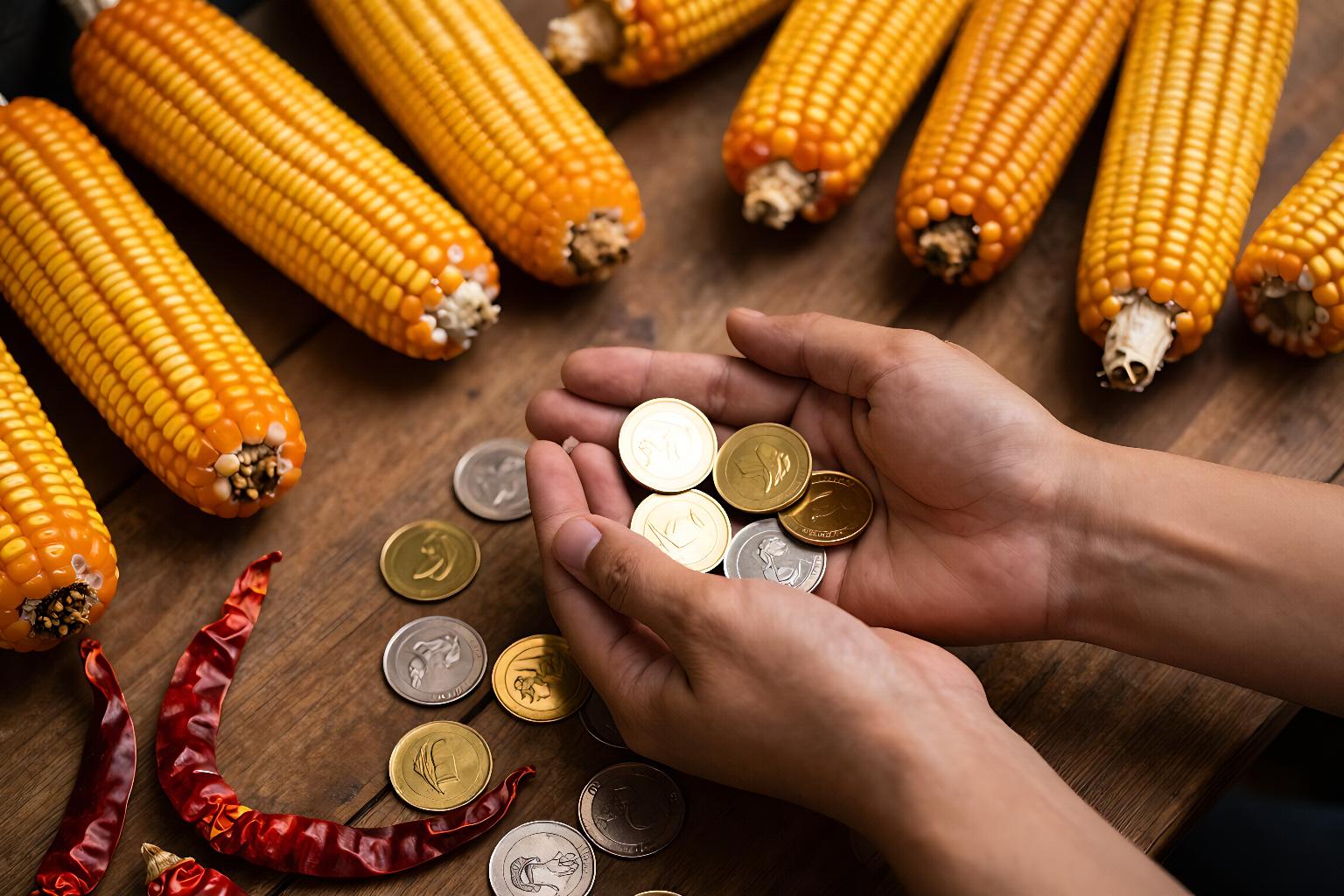
If you have ever looked up USD to peso online, you might have expected the exchange rate to match exactly what you later received at a bank or money transfer counter. It never does. Part of the reason is the word peso covers two very different currencies - the Mexican peso (MXN) and the Philippine peso (PHP). Both count as "pesos", but they trade on separate markets with separate costs and separate rules for getting a good deal.
This article explains how to convert dollars without losing money. You will learn the difference between the rate on a screen and the rate in your pocket, the best ways to move money, and a simple formula that works regardless of currency.
The Mexican peso is highly liquid and tightly tied to the US economy. Daily volume in the USD/MXN exchange rate is massive, which means competition among exchange services is fierce. Yet many banks and exchange houses still charge a 2 to 3 percent margin without fully disclosing it. If you are supporting a property in Mexico, paying for dental work in Tijuana, or simply traveling, the right strategy can reduce that margin to less than 0.5 percent. If you're heading south of the border, you'll want to read our full guide on how to get more pesos for every dollar.
The Philippine peso is often the destination for remittances sent by overseas workers. Because the remittance market is dominated by a handful of companies, spreads can stay stubbornly high. People sending money from the U.S. to the Philippines may end up losing 5 percent or more on a transfer - especially if they walk into a bank and ask for the standard wire rate. The details matter, and they change constantly. That's why we track the gap between the rate you see and what apps like Remitly or PayPal actually give you in our article about USD to PHP exchange rates today.
Currency converter apps show the mid-market rate. That is the rate banks trade among themselves, and it carries no profit margin. Every company has to add something on top to stay in business. That extra cost can be a service fee or a mark-up hidden inside the exchange rate.
Let's work through a real example. Suppose the mid-market rate is 17.40 MXN per USD and you want to send $1,000. If the ideal rate were applied, your recipient would receive 17,400 MXN. However, your US bank might quote a rate of 17.05 and charge a flat $35 outgoing wire fee. After the fee, they will convert $965 at 17.05, resulting in 16,453.25 MXN. That is nearly 950 MXN less than the fair value - equivalent to roughly $54 in lost purchasing power.
Paying $54 extra on one wire is painful, but many people don't notice it because the bank never displays the percentages. The same hidden margin exists when converting to larger markets like the yuan. You can see exactly how it adds up in our comparison of USD to RMB conversions.
There is no single right method for every situation. Here are the most practical options and where they work well:
Stop comparing transfer fees alone. Instead, calculate the effective exchange rate.
Effective rate = pesos received ÷ US dollars spent
Say you are converting $1,000 to Mexican pesos. Option A has no fee and quotes a rate of 17.00. The recipient receives 17,000 MXN. Option B charges a $10 fee and quotes a rate of 17.15. The service converts $990 at 17.15, which gives your recipient 16,978.50 MXN. Option A actually comes out ahead because the effective rate is 17.00 versus 16.9785. Keep this calculation in mind and you will never be fooled by a big "zero fee" advertisement again.
If you are sending money to India, you will find similar tactics used by local banks, where the spread is often hidden in the rate. See how it plays out in dollar-to-INR transfers.
Rather than predicting economic conditions, use an automated rate alert. Currency platforms let you nominate a threshold and they email you when that rate is available. For a transfer you plan to make within two months, this is a highly reliable way to catch short-term volatility.
Let's say you need to send $2,000 to the Philippines and the current mid-market rate is 58.50 PHP per dollar. If you set an alert for 59.10 PHP/USD, a swing of just 1 percent would earn you an additional 1,200 pesos (about $20). That is a genuine gain with almost no effort.
Set a second alert at your bottom line - the rate below which you won't wait any longer. If the market never improves, you simply execute the transfer at that lower threshold.
You don't need a finance degree to convert USD to peso at a fair rate. All you need is a habit of looking beyond the headline rate. Use the effective-rate formula, read the terms of each service, and set automatic alerts. When you do that, the Mexican peso behaves like a normal financial product - and the Philippine peso becomes equally transparent.
Whether you send $200 every month to help your father in Manila or transfer $80,000 to close on a house in Merida, the same math applies. A few extra minutes spent comparing effective rates will put hundreds of dollars back in your account over the course of a year.
Slot ID: blog-post-bottom