
Loading article...
Slot ID: blog-post-top
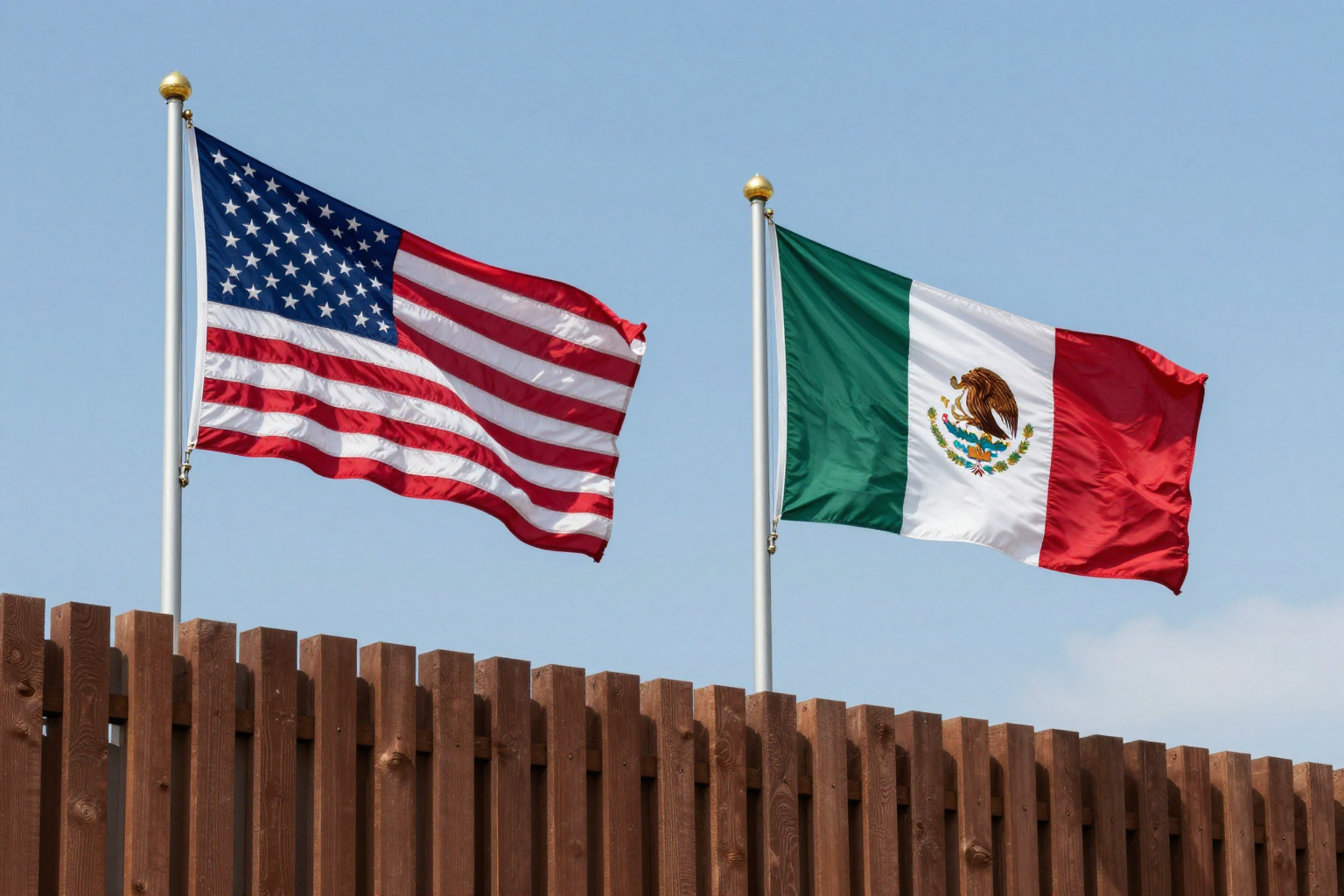
Few exchange rates are as visible in everyday American life as the Mexican peso to USD rate. Pop open a currency converter on a travel morning and the screen will show a clean figure, 20.40 pesos per dollar, or 16.90, or whatever the market has settled on. The trouble is that you can rarely exchange money at that exact number. Banks, exchange shops, card processors, and digital payment apps all add a hidden margin, often while claiming to be commission-free.
This guide walks you through the live USD/MXN rate, the fees that hide inside it, and specific tactics to keep more money in your pocket. If you are buying pesos for a holiday, sending funds home, or simply converting an old MXN bank balance to dollars, these steps apply on your very next transfer.
Every currency pair has a mid-market rate, also called the real exchange rate. It is the average of the bid and ask rates that large banks quote to each other when they trade money. For Mexican pesos and U.S. dollars, that midpoint is close to the number you see on Google, but it is not the number you will receive. Retailers need to make money, so they quote two rates: one for customers buying dollars, and one for customers selling dollars.
Let's use a simple example. Suppose the live mid-market USD/MXN rate is 20.00. If you are converting dollars into pesos, one service may give you 19.98, while another gives 19.60. On 1,000 dollars, that is a difference of 380 pesos - enough for a nice dinner or a day of local bus travel.
The same hidden spread affects cash and digital transfers alike. If you have ever converted euros to dollars, you know the feeling of watching a quote nibble away at your transfer amount. Our euro to dollar conversion guide walks through the mechanics with exact numbers and shows you what to check before you lock in any price.
The Mexican peso is one of the most liquid emerging-market currencies, but that does not make it calm. In early 2020 it traded near 18.4 to the dollar. Within a few weeks it surged past 25. By the end of 2023, it had recovered to around 17.2. These swings matter because they change the amount of money you receive even when the provider's spread stays the same.
The biggest factor is the gap between Banxico's key rate and the U.S. Fed's rate. When Mexican interest rates are significantly higher, global investors buy peso assets and the peso strengthens. Oil prices also count since Mexico is a major exporter. When crude costs rise, export income in dollars can support the currency, and when it falls, the pair often drifts weaker.
The FX market runs 24 hours a day from Monday to Friday, but not every hour offers good prices. Liquidity is deepest when New York and Mexico City are both open. On Sunday night or during Mexican holidays, the foreign exchange market is effectively closed. Airport exchange desks can widen their spreads by several percent, simply because you have no other option at that moment. Plan ahead and convert on a business day if you want a rate closer to the real one.
This next section is designed to be your quick checklist. Save it for your next border crossing, your next international payment, or your next trip to the bank.
That mental model carries over to many other currency pairs. If you regularly send funds to another country, the same need for transparency exists. For instance, our Indian rupees to USD guide shows you how to calculate the all-in cost on a USD-to-INR transfer, and that exercise will instantly sharpen your eye when you return to the MXN market.
Latin American travelers will also recognize the pattern. The airport casas de cambio in Cartagena and Bogotá charge some of the worst spreads on the continent, as you'll see in our Colombian peso to dollar guide. Cancún and Mexico City follow the same business model, so keep that example in mind.
For small amounts up to about $200, using an ATM in Mexico will generally give you a decent rate provided you decline conversion and your bank does not charge a fee. The card network rate tends to sit near the interbank value. For larger amounts, an online money transfer service almost always beats a bank's foreign exchange desk. A traditional wire will usually involve a $25 to $40 transfer fee, followed by a separate exchange spread at the receiving side.
Try this number comparison. You have $2,000 converted to pesos. A bank wire quotes a rate of 19.60 and charges a $30 sender fee. After the fee, $1,970 is converted, and you receive 38,612 pesos. A specialist service quotes 19.85 and charges only a $5 fee, leaving $1,995 converted and paying you 39,600.75 pesos. In pesos, that is nearly 1,000 MXN more in just one transaction.
That difference often comes from the provider's pricing structure, not their kindness. Many banks set daily rates in the morning and protect themselves against volatility. Digital brokers update rates continuously and can afford a tighter spread because their overheads are lower.
Whether you are holding Mexican bills or dollars in a bank account, always check the mid-market reference rate before you finalize a transaction. Websites and currency apps can show it in seconds. Once you have that number, you can measure any proposed offer. For electronic transfers, a fair spread is often less than 1% above the mid-market. For cash in a busy tourist area, a spread of 2% to 3% is probably normal. If the spread is above 4%, the deal is poor and you should walk away.
Understanding the Mexican peso to USD rate is not just about predicting what it will do tomorrow. It is about knowing how much of your money goes to the middleman. When you compare true effective rates and avoid the shortcuts that widen spreads, you will keep a little more of your wealth on every peso you exchange.
Slot ID: blog-post-bottom