 Currencies
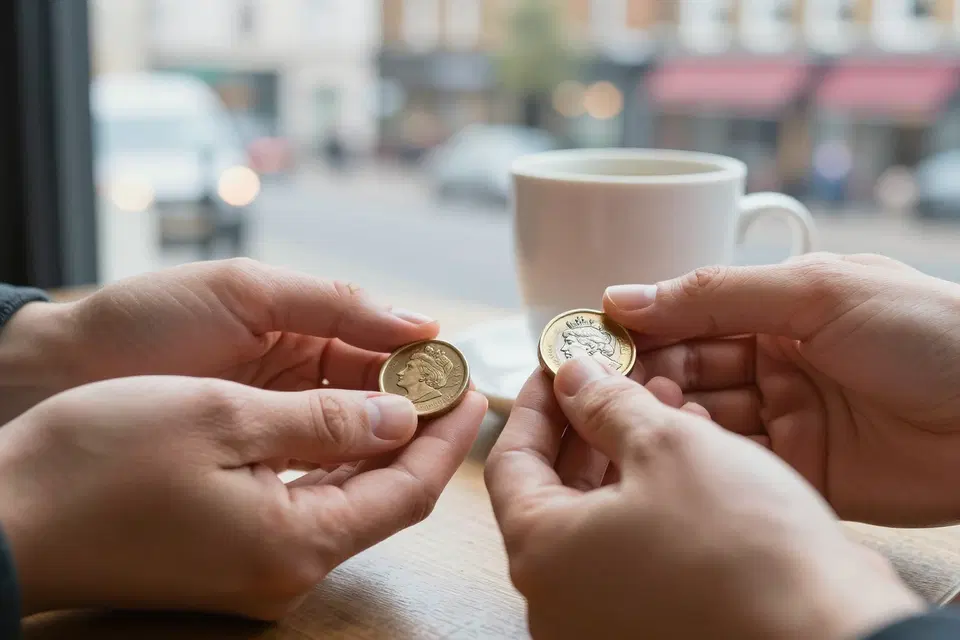
So how much is 1 dollar in the United Kingdom? At a typical mid-market exchange rate, $1 is worth about 78 to 80 British pence. In other words, one US dollar buys roughly £0.79. The exact figure changes minute by minute, and the amount you actually receive depends on where and how you convert it.
The UK doesn't use dollars. It uses pound sterling (GBP), so a $1 bill won't buy anything in a London shop. You need to convert dollars into pounds first. That conversion is where the real answer lives, and it's more interesting than a single number on a search results page.
The short answer: around 79 pence per dollar
Using an illustrative mid-market rate of $1 = £0.79, the maths is simple:
- $1 = £0.79
- $5 = £3.95
- $10 = £7.90
- $20 = £15.80
- $50 = £39.50
- $100 = £79.00
Flip it around and £1 equals about $1.27. That inverse rate matters when you're standing in a British shop and trying to work out whether a £12 sandwich is reasonable. It isn't, but London prices do that.
The mid-market rate is the midpoint between buyers and sellers on global currency markets. It's the rate you see on Google, XE, or Reuters. Banks and currency sellers rarely give you that rate, because they build in a margin. For a deeper look at what that quoted number represents, this explanation of 1 US dollar in British pounds is worth reading.
Why the rate you see isn't the rate you get
A currency kiosk at Heathrow might advertise '0.75 GBP for 1 USD' or show a big 'no commission' sign. The commission isn't the main cost. The spread is. If mid-market is £0.79 per dollar and the kiosk gives you £0.74, you're losing about 6% on the deal. On $100, that's £5 less than the mid-market value.
Cards work differently. A card issuer might use a rate close to mid-market and add a foreign transaction fee of 2% to 3%. Some current accounts and travel cards charge nothing. On a $1 purchase, a 2.5% fee is tiny, about 2p. On a $1,000 hotel bill, it's £20. This guide to the US dollar exchange rate in the UK and what you really pay for pounds breaks down those hidden costs.
Cash exchange has another layer: convenience. Airport desks, hotel receptions, and late-night bureaus charge for it. A high-street bank may offer a better rate but only during opening hours and often only to account holders. The cheapest option is usually planning ahead, not exchanging at the last minute.
What $1 actually buys in Britain
Seventy-nine pence is not a lot in the UK. It might buy a single banana from a market stall, a budget chocolate bar on promotion, or a plain tea in a cheap cafe outside a big city. In central London, it won't cover a bus fare, a coffee, or a pint. A standard London bus fare is £1.75, so $1 covers less than half. A £3.50 flat white costs about $4.43 at our example rate.
Price comparisons get more useful at larger amounts. A £10 pub lunch is roughly $12.66. A £60 train ticket is about $75.95. A £1,200 monthly rent is around $1,519. That's why the dollar-to-pound rate matters for tourists, remote workers, students, and anyone sending money across the Atlantic. If you want a reality check on everyday costs, what a dollar really buys you in Britain puts the numbers in context.
Keep in mind regional differences. A coffee in central London can cost £4.50, while the same drink in northern England might be £2.80. The exchange rate is national, but prices are local. A weak pound helps American visitors in London, though it doesn't make London cheap.
Cash, card, or bank transfer?
For a tourist spending $1 here and there, the method barely matters. For a week-long trip with a $1,500 budget, it can swing by £30 to £80. Here's the practical hierarchy most frequent travellers use:
- Spend on a card with no foreign transaction fee for most purchases. You get a rate close to mid-market and you don't carry wads of cash.
- Use a bank ATM once or twice for cash. Decline the ATM's 'convert to your home currency' option. That's dynamic currency conversion, and it usually adds 3% to 8%.
- Avoid airport and hotel exchange desks unless you need £20 for a taxi. The convenience premium is steep.
- Order pounds from your bank before you fly if you want cash. Compare the total cost, not the advertised rate.
For larger sums, like paying a UK landlord or tuition, a specialist transfer service usually beats a high-street bank. Fees are lower and the exchange rate is closer to mid-market. For a $100 conversion, the difference might be £3. For $10,000, it can run into hundreds. If you're converting a round sum, this breakdown of 100 USD to GBP shows how quickly small spreads add up.
A simple mental shortcut for dollars to pounds
If the rate is around £0.80 per dollar, take 20% off the dollar price. A $40 meal becomes about £32. A $250 hotel room is around £200. For a rate nearer £0.75, take 25% off. The shortcut won't give you the exact amount, but it's close enough for holiday budgeting.
Going the other way, add 25% to a pound price to estimate dollars. A £20 souvenir is roughly $25. A £80 train fare is about $100. The real rate may be £0.78 or £0.81, which changes the answer slightly. For a more detailed explanation of the conversion, check the live rate and its inverse.
One warning: don't use the mental shortcut at a currency counter. Use it to sense-check prices, then check the actual rate and fee before you hand over money.
Why the rate changes, and why 1 dollar isn't fixed
Currency markets move on interest rate decisions, inflation data, jobs reports, political uncertainty, and trade flows. In 2022, the pound briefly fell close to $1.03 against the dollar after the UK government's mini-budget. A dollar was worth about £0.97 at that moment. A year later, the rate was closer to £0.79. On a $1,000 transfer, that's a difference of roughly £180. Same dollar, very different result.
That volatility is normal. It's also why a quote from last week is not a quote for today. If you're planning a purchase, a trip, or a transfer, check the live rate and the total cost. The dollar rate in the United Kingdom today is a moving target, not a fixed price tag.
How to check the real cost before you exchange
Before you convert dollars to pounds, run through these checks:
- Find the mid-market rate on a neutral source. Write it down.
- Ask for the total you'll receive in pounds, including all fees.
- Compare that total with the mid-market total. The gap is your real cost.
- Check whether your card charges a foreign transaction fee and whether the ATM operator adds its own charge.
- Refuse dynamic currency conversion if a card machine or ATM offers to charge you in dollars. Pay in pounds.
For a quick example, suppose the mid-market rate is $1 = £0.79 and you want to convert $200. The mid-market value is £158. If a kiosk offers £150, the cost is £8, or about 5%. If your card offers £157 but charges a £3 fee, the cost is £4. The card wins. Run that comparison once and you'll never trust a '0% commission' sign again.