
Loading article...
Slot ID: blog-post-top
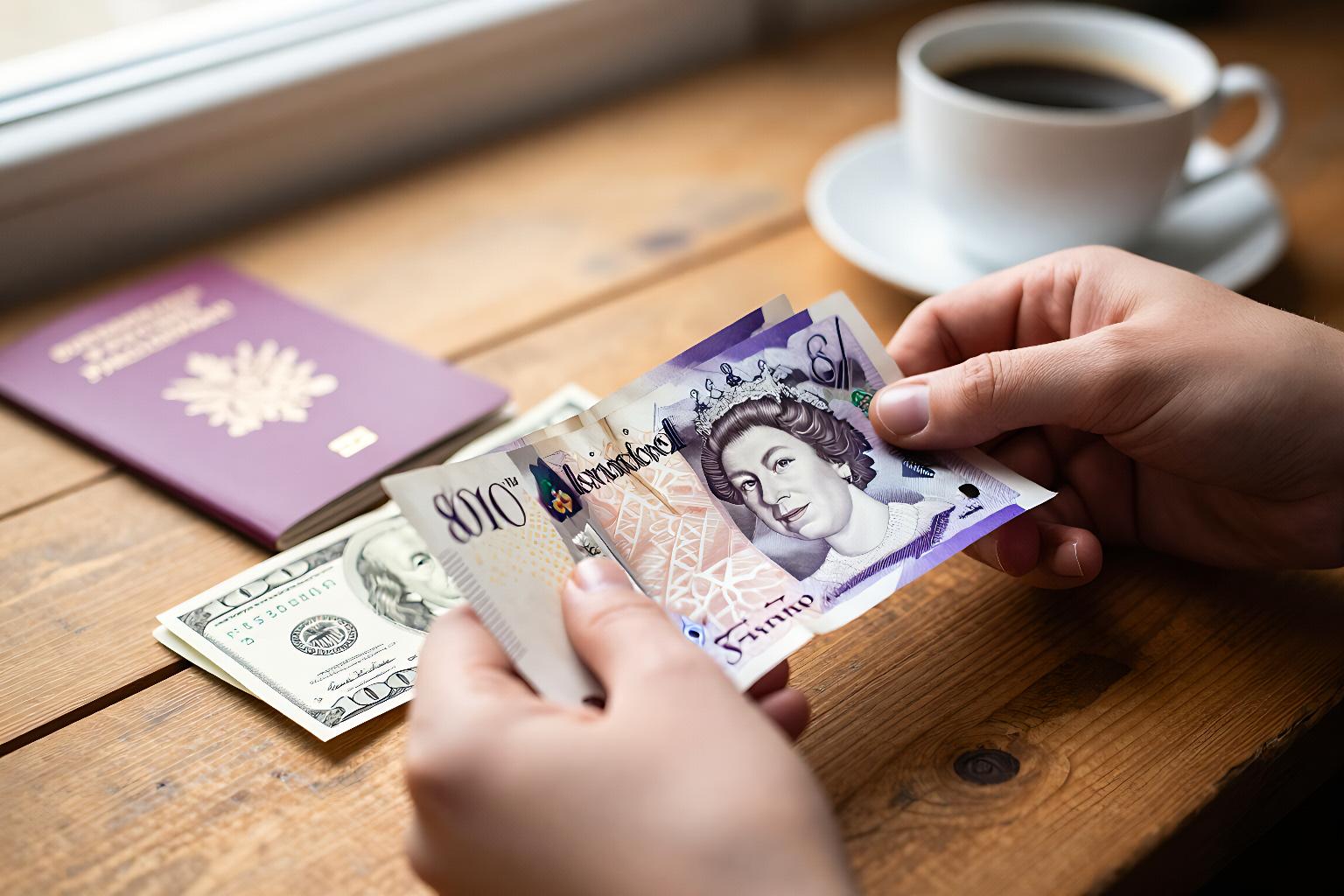
GPB to USD is one of the most common typos in currency search: two letters swapped on the keyboard. The currency you actually want is GBP, the British pound sterling. Spelling aside, the part that costs people real money isn't the ticker, it's how they convert. On a £2,000 transfer, the gap between a lazy conversion and a well-planned one regularly lands between $60 and $75.
Below is the whole process, step by step, with a running £2,000 example you can copy onto your own number.
GBP/USD is quoted as 1 GBP equals X USD. If the rate reads 1.2700, then £1,000 is worth $1,270. Flip it and you get USD/GBP at roughly 0.787, which is why a rate that looks like 0.79 doesn't mean your pounds are worth 79 cents. Mixing the two up is the most common arithmetic error people make when budgeting a transfer.
The good news: GBP/USD is one of the most heavily traded currency pairs in the world, so wholesale spreads are tight. The margin you pay is almost entirely your provider's markup, not the market's.
The mid-market rate sits halfway between the buy and sell price on the wholesale market. Google, XE and Reuters all display something very close to it. You will almost never get this rate as a retail customer, and that's fine. Its job is to be your measuring stick. Every quote you receive gets compared against it.
For this walkthrough, assume the mid-market rate is 1.2700.
The same trade-offs show up on almost every corridor. If you want a second worked example, this guide to converting $3,000 to pesos without losing money on fees runs the identical comparison with peso numbers.
Same £2,000, same day, three providers:
That's a $72 spread between the best and worst option for the same transfer, on the same afternoon, with no extra effort beyond choosing differently. The CAD to USD step-by-step conversion guide walks through the same arithmetic on a $5,000 example if you want a second reference point.
GBP/USD typically moves somewhere between 0.3% and 1% on an ordinary day. On £2,000, that's a swing of roughly $8 to $25. Bigger moves of 1.5–2% tend to cluster around Bank of England and Federal Reserve decisions, or UK and US inflation releases.
A rate alert at your target is worth setting. Sitting on the fence for six weeks hoping for a 3% improvement usually costs more in stress than it earns. Waiting is only rational if you genuinely have a deadline you can miss.
One practical rule: avoid initiating a transfer between Friday evening and Sunday. Spreads widen when liquidity thins, and some providers lock you into a weekend rate that's quietly worse than Monday's. If you're headed the other direction, this guide to converting $2,500 into pound sterling covers the same traps in reverse.
The advertised fee is rarely the whole bill. Watch for:
Fees compound in ways that aren't obvious until you see the landing figure. There's a full breakdown of the hidden charges in this walkthrough on converting won to USD in six steps, and the categories are the same regardless of which pair you're moving.
If you're using a provider for the first time, send a small test amount first. £50 is enough to confirm the rate holds, the fee matches the quote, and the money lands in the expected account. Then:
Suppose you planned a £2,000 conversion at 1.2700 and by the time your funds clear, GBP/USD has slipped to 1.2400. That's a $60 hit. Annoying, not catastrophic, and entirely normal. Three realistic responses:
Split the transfer. Convert 60% now and hold the rest for a fortnight, which averages your rate instead of gambling on a single day. Lock a forward contract if you know the amount and date and the provider offers it; you fix today's rate for a future settlement, usually for a small deposit. Hold the pounds if the dollars aren't needed yet, but set a floor rate in advance and commit to converting if it breaks, so the decision stops being emotional.
What you shouldn't do is panic-convert at the worst available rate through your bank app at 11pm on a Sunday. That's the scenario where a $60 difference quietly becomes $130, and nobody sends you a note about it.
Slot ID: blog-post-bottom