
Loading article...
Slot ID: blog-post-top
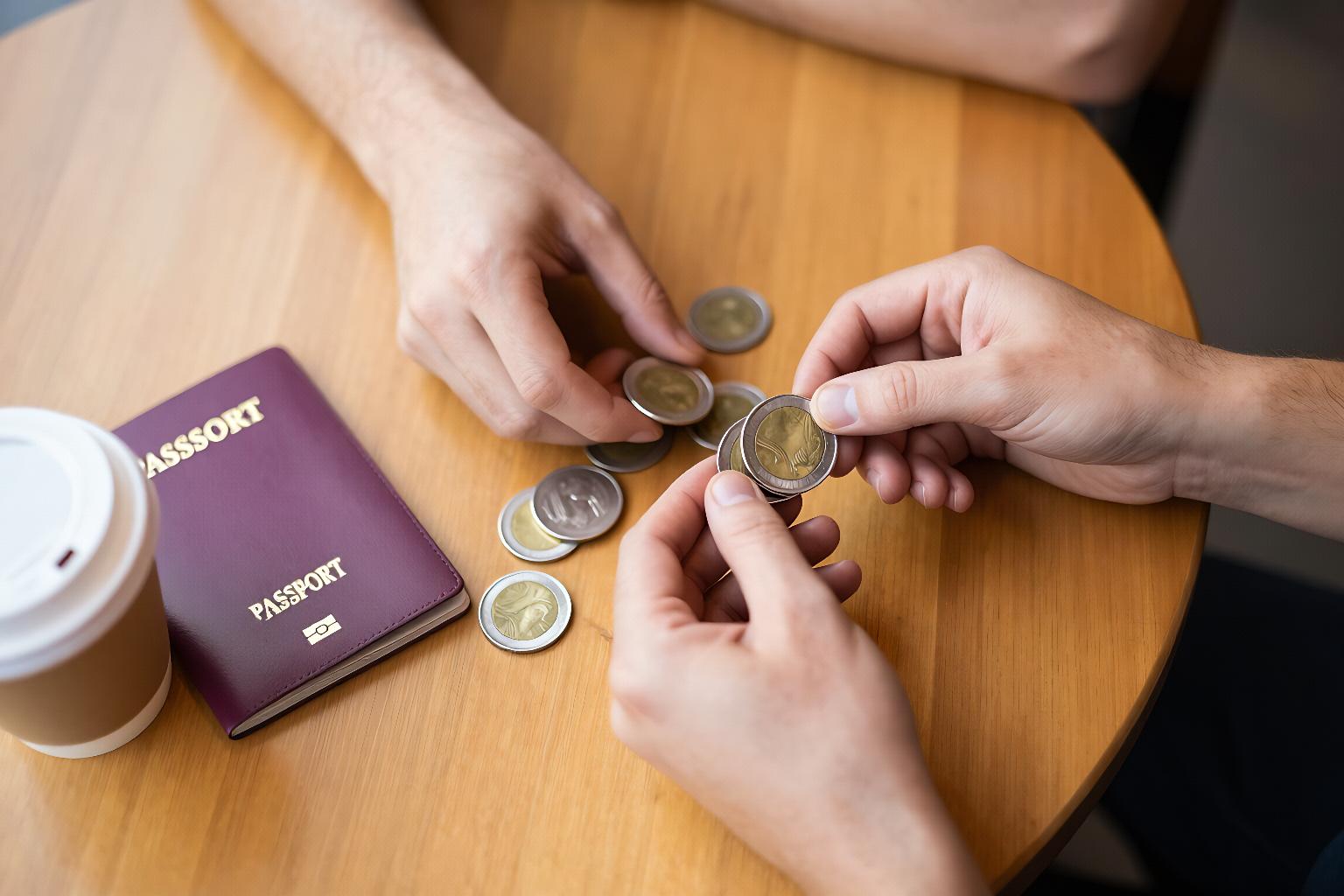
If you typed gpb to usd into Google, you're almost certainly looking for the British pound to US dollar exchange rate. GPB is a common misspelling of GBP, the official abbreviation for pound sterling. Whatever you call it, converting pounds to dollars is something millions of people do every day for travel, online shopping, property purchases, or business payments. The difference between a good and a bad rate can easily cost you hundreds of pounds, especially on larger transfers. This guide breaks down how the exchange rate works, where the hidden costs hide, and how to make sure you keep more of your money.
The pound-dollar pair is one of the most traded currency pairs in the world. Its value changes constantly, driven by interest rate differences between the Bank of England and the Federal Reserve, inflation data, trade flows, and political events. For example, after the Brexit referendum in 2016, GBP/USD fell from around 1.48 to 1.32 within days. More recently, in September 2022, a controversial UK budget pushed the pound below 1.08 against the dollar, a 37-year low. It later recovered to trade around 1.25–1.30 as interest rates rose.
If you're exchanging a large sum, timing can swing the amount you receive by thousands. But predicting short-term movements is nearly impossible. What you can control is the exchange rate you get and the fee you pay.
These are the most convenient but also the most expensive. Margins can be as high as 7–8% above the interbank rate, plus a flat fee. In 2023, one UK airport kiosk was quoting $1.13 for £1 while the real market rate was $1.27. That's a 12% loss before you even mention the commission. Never exchange more than a small emergency amount there. Airport counters are just as punishing when you convert Canadian dollars to US dollars, so it's a problem across the board.
High street banks can offer rates around 2–3% above the mid-market rate, and some add a transfer fee of £10–£25. If you're exchanging £5,000, that 2.5% cost translates to £125 lost. Not ideal, and the odd savings you get from a loyalty account rarely cover that gap.
For anything above a few hundred pounds, online brokers are the clear winner. They operate on much lower margins—typically between 0.3% and 1%. A good broker will show you the exact rate and make their fee transparent. Many offer rate alerts, so you can wait for a favourable movement before locking in. This is also where you'll find better tools for handling larger business transfers.
Using your UK credit card abroad is easy, but watch the small print. Many cards charge a foreign transaction fee of 2.99% on every purchase. The same applies when withdrawing dollars from an ATM. Some modern cards like Monzo, Revolut, or Starling use the Mastercard or Visa wholesale exchange rate without a fee during weekdays, making them the cheapest option for smaller purchases. But beware of weekend markups and ATM operator fees. If you're heading to Japan, the same card strategies will help you get more yen for your dollars, so it's worth reading up before you fly.
Stop looking at the headline rate. The only number that matters is how many dollars land in your account. For example, if the interbank rate is 1.25, and your provider gives you 1.22, you're losing 2.4% of the total. Add a flat £12 fee on a £1,000 transfer, and your total cost is 3.6%.
Here's a simple formula: divide the amount you want to send by the rate you're being offered, then compare that result to the interbank rate. The difference is your hidden cost. Say you're converting £2,000. At 1.22, you get $2,440. At 1.25, you get $2,500. That $60 may not seem huge, but on a £50,000 property deposit, the same spread costs you $1,500.
Many people assume a service advertising "zero commission" is always the best deal. That's false. Providers can embed a wider margin in the exchange rate instead of charging a separate fee. Always compare the final output, not the absence of a fee.
If you're not in a rush, set a rate alert with an online broker. You'll be notified when GBP/USD hits a level you're happy with. Some brokers also offer limit orders, which automatically execute when your target rate is reached. That way you don't have to watch the chart every day.
For businesses or people buying property abroad, a forward contract lets you lock in today's rate for a future transfer. You'll typically need to put down 5–10% of the amount, and the contract can cover up to 12 months. This removes the uncertainty of exchange rate movements. If the rate moves in your favour, you still get the locked-in rate. The reverse journey—converting dollars back to pounds Sterling—offers the same kind of protection, and it's a smart way to budget for large payments.
Another option is opening a multi-currency account. You can buy dollars when the rate is strong and hold them in a wallet until you need them. It's a simple hedging move that works well for regular payments, and you can avoid multiple conversion fees.
Before you hit "send," run through this list.
If you frequently convert Korean won to dollars, you'll see many of the same patterns. Our guide to exchanging won for dollars without getting ripped off breaks these pitfalls down in real numbers.
And remember, the best rate is a moving target. The interbank rate might change every second, but the gaps between providers stay surprisingly consistent. Once you know where the costs hide, you can make the system work for you instead of against you.
Slot ID: blog-post-bottom