 Currencies
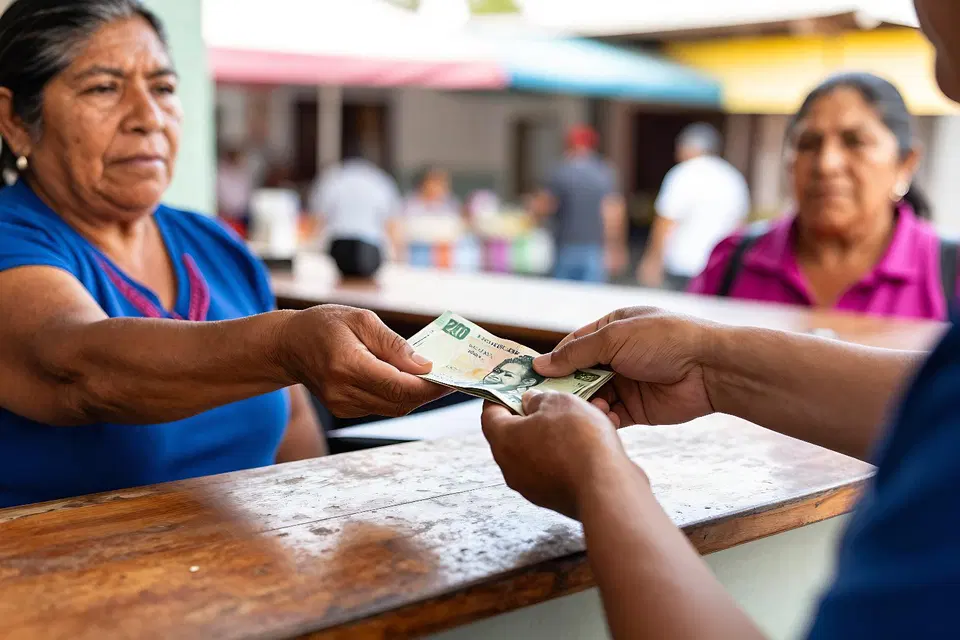
Sending money abroad used to mean walking into whichever brand sat on the high street. Now the decision usually comes down to two names people actually search for. Xoom and Wise overlap, but they were built for different jobs, and that difference shows up in your total cost, how fast the money lands, and what your recipient can do with it once it arrives.
Short version: Xoom is a remittance service owned by PayPal, built around cash pickup and quick delivery to a set list of corridors. Wise is a multi-currency account that moves money at the mid-market rate. On a plain bank-to-bank transfer to a major corridor, Wise usually wins on price. Xoom often wins on access.
Two products, two different jobs
Xoom has been part of PayPal since 2015 and behaves like a classic remittance service. You pick a destination, choose how the money arrives (bank deposit, cash pickup at an agent, mobile wallet, occasionally door delivery), pay from a bank account, debit card or PayPal balance, and it appears in your recipient's hands. The Xoom money transfer setup covers more than 130 countries, though the payout menu narrows sharply depending on where you're sending.
Wise began life as TransferWise and is organised around a multi-currency account. Sending money is one feature. Holding balances in dozens of currencies, carrying a linked debit card, and receiving payments like a local are the others. Wise converts at the mid-market rate and charges a separate, visible fee.
Almost every practical difference below flows from that structural gap.
Cost: the exchange rate does most of the talking
Both services show you two numbers: a fee and a rate. Only one of them usually tells the whole truth.
Wise publishes the mid-market rate, the one you'd see quoted on Reuters or XE, then adds a percentage fee on top. Nothing hides inside the conversion. Send $500 to Mexico by bank transfer and the fee might land around $5 to $7 depending on route and payment method.
Xoom advertises a fee, often $4.99 or $0 during promotions, but converts at a rate carrying a margin. That margin commonly runs somewhere between 2% and 4% depending on corridor and funding source. On $500, a 3% margin is $15, which makes the headline fee look almost decorative. Xoom's exchange rate is the number to scrutinise before you press send, because it moves your total far more than the fee line does.
Fees, funding methods and the small print
Xoom prices by funding source. Bank account transfers are cheapest, debit cards cost more, credit cards cost most, and those zero-fee promotions tend to reappear as a wider spread on the rate. If you send regularly, Xoom's transfer fees deserve a proper read, because the cheapest-looking option is rarely the cheapest overall.
Wise uses a fixed-plus-variable fee that shifts by currency pair. Paying by debit or credit card adds a surcharge in the region of 0.5% to 1.5%, which is the main reason card-funded Wise transfers cost more than bank-funded ones.
Speed: who gets the money there first
Closer than the price gap suggests, and heavily dependent on payout method.
Xoom is quick where it specialises. Cash pickup in Mexico, Guatemala, the Dominican Republic or the Philippines can complete in minutes. Bank deposits land same day in plenty of corridors, though two to three business days is realistic in others, particularly when identity checks or weekend cut-offs intervene. Xoom's transfer time varies enough by destination that the corridor matters more than the marketing.
Wise transfers often arrive within minutes to a few hours when the receiving bank sits on a fast local rail, but one to two business days is the sensible expectation. Paying by card can speed things up, since the money reaches Wise sooner and the clock starts earlier.
Limits, verification and moving larger sums
New Xoom accounts are capped conservatively, often around a couple of thousand dollars per transfer or per day. Raising the ceiling means uploading ID, sometimes proof of address, and waiting for review. Xoom's sending limits shift by destination and account history, so a corridor that allows five figures for one sender may block another one entirely.
Wise generally permits larger transfers once you're verified, with limits tied to your account tier and currency route rather than to a fixed advertised figure. Above a few thousand dollars, Wise tends to involve less friction.
What your recipient can actually do with the money
This is Xoom's strongest card, and the reason plenty of people never switch.
- Cash pickup at partner agents, which matters where the recipient has no bank account.
- Mobile wallet top-ups in markets where wallets handle everyday spending.
- Door delivery in selected countries.
- Bank deposit where the recipient is banked and prefers it.
Wise pays into a bank account or a Wise balance. Excellent for anyone with a working account. Close to useless for anyone without one. If your aunt collects cash from an agent two towns over, saving a few dollars on fees solves nothing.
Where each service pulls ahead
Pick Xoom when
- Your recipient needs cash, a wallet top-up, or delivery rather than a bank deposit.
- You're sending to a corridor Xoom covers well and speed matters more than a 2% saving.
- You already hold a PayPal balance you'd like to spend.
- You want phone support and a familiar app for a one-off transfer.
Pick Wise when
- Your recipient has a bank account that accepts incoming transfers.
- You're sending larger amounts, where the rate margin on Xoom gets expensive fast.
- You send every month and want the mid-market rate as your baseline.
- You also need to hold foreign currency, spend abroad, or invoice clients overseas.
How to compare the two on your own transfer in five minutes
Generic comparisons break down because the numbers change by corridor, amount and funding method. Do this instead, on the exact transfer you're about to make.
Look up the mid-market rate for your currency pair first. Then enter the same amount in both apps, funding from the same source, and write down what your recipient actually receives rather than what you pay. Convert that received figure back into your own currency at the mid-market rate. The difference between that number and what left your account is your true cost.
Then check two non-financial things. First, whether the delivery date is stated or implied, because "fast" means different things in different corridors. Second, whether the payout method you need is actually available in that country on that day. Promotions expire, corridors get suspended, and a payout option that existed last month may have quietly disappeared.
The cheapest transfer is not the one with the lowest fee line. It's the one that reaches your recipient in a form they can use, on a day that helps them, at a total cost you understood before you confirmed it. A 3% saving that lands in an account nobody can access is not a saving at all.