
Loading article...
Slot ID: blog-post-top
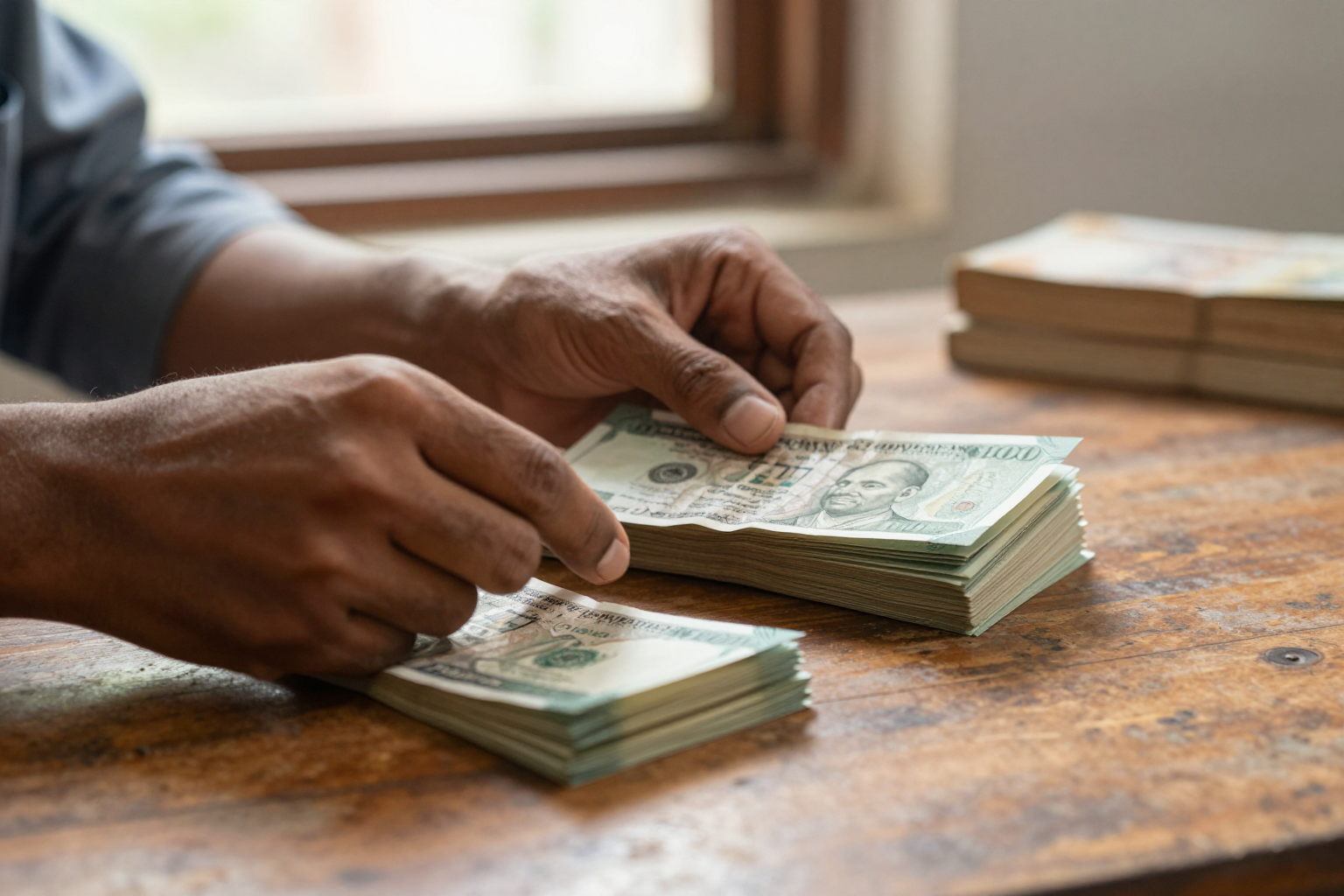
You open a currency app, type in an amount, and the USD to INR exchange rate today reads something like 88.40. You do the arithmetic in your head, hit send, and then the money arrives and the numbers don't match. Nothing went wrong. The rate on the screen was the market rate. The rate applied to your transfer was something else.
That gap is worth understanding properly, because nobody is hiding it. It's published, it's legal, and it quietly costs people hundreds of dollars a year.
One US dollar buys a certain number of Indian rupees. That's the whole idea. The figure is usually quoted as the interbank or mid-market rate, and it sits between what banks will buy dollars for and what they'll sell them for. It's a wholesale number, the one large institutions trade at, and it changes constantly while markets are open.
When people ask what the dollar rate in India is today, this is the figure they usually mean. If you want the longer version of what the number really tells you, the short answer is this: it's a reference point, not a promise.
India receives more remittances than almost any country on earth, and the dollar-rupee pair is one of the most heavily traded in Asia. The quote moves all day. A rate you saw at 9am London time may be twenty paise different by mid-afternoon, and if you're converting a large sum, that drift is real money.
The rupee doesn't float freely in the way the euro or yen do. The Reserve Bank of India steps in regularly to smooth sharp swings, so the currency tends to drift rather than jump. Within that drift, a handful of forces do most of the work.
India imports the large majority of the crude it consumes, and oil is priced in dollars. When crude rises, importers need more dollars, demand pushes the rupee down, and USD/INR climbs. It's one of the most dependable short-term links in the market, and it's why a Middle East headline can move your transfer cost within hours.
Software exports, foreign direct investment and remittances all bring dollars into India. When those flows run strong, the rupee firms up. When global funds pull out of Indian equities, as they did in stretches through 2022 and 2023, the rupee takes the strain. NRI deposits and bond inflows matter too, especially in the months when they cluster.
Federal Reserve policy moves the dollar against nearly everything else. Higher US rates make dollar assets more attractive, capital shifts toward them, and emerging market currencies including the rupee absorb the pressure. Indian rate decisions matter less than most people assume, because what moves the dollar-rupee rate is often decided in Washington rather than Mumbai.
Here's where the arithmetic gets personal. A bank or remittance provider offers a rate a little away from mid-market, and that difference is the spread. Then there's a transfer fee, plus GST on that fee in India. Stack them up and the effective cost of a conversion typically lands between 0.5% and 4%, depending on who's handling it.
The spread is where the real competition lives. An airport currency desk might sit 3% below mid-market while an online specialist sits 0.4% below it. On a modest transfer that's the price of a decent dinner. On a property deposit it's a used car. If you want the mechanics laid out, this breakdown of what $100 really buys you after the rate, spread and fees shows exactly how the deductions pile up.
Percentages turn concrete fast. Suppose the USD to INR exchange rate today is 88.40 and you need to send $1,000 to India. That's ₹88,400 at mid-market. At a 2% spread you receive roughly ₹86,630. The ₹1,770 that vanished appeared on no invoice.
For a student in Toronto paying tuition from a family account in Pune, or a Bengaluru freelancer invoicing a US client every month, that difference compounds. A $2,000 invoice converted at a 1.5% markup gives up about $30 each time. Twenty-four invoices a year is a long weekend in Goa. This piece on what the rate really costs you walks through the same maths for larger amounts.
Small sums surprise people too. Wondering how much 1 dollar actually buys in India? Nominally about ₹88, which covers chai and a samosa almost anywhere and not much else in a Bandra café.
Ignore the forecasts. Watch four things instead, because they drive the quote far more than commentary does.
Add the seasonal pattern: remittance volumes spike from September through November around festivals, and providers often tighten spreads when volumes are high because they don't need to compete as hard for your business.
Nobody calls the rupee twelve months out with any consistency, and anyone who claims otherwise has something to sell. What you can do is stop guessing and start measuring.
Note the rate weekly in your phone, with the date beside each figure, so you're comparing against your own history instead of a vague memory of "around 83". Check mid-market before you open a provider's app, because that's the only way to spot a poor quote in real time. Split a large conversion across two or three transfers over a few weeks. You won't catch the top, and you won't need to.
Then read the confirmation screen properly before you tap. The USD to INR exchange rate today will be whatever it is by the time your payment clears. The spread is the part you choose, and it's the part that decides how much actually lands in the account.
Slot ID: blog-post-bottom