
Loading article...
Slot ID: blog-post-top
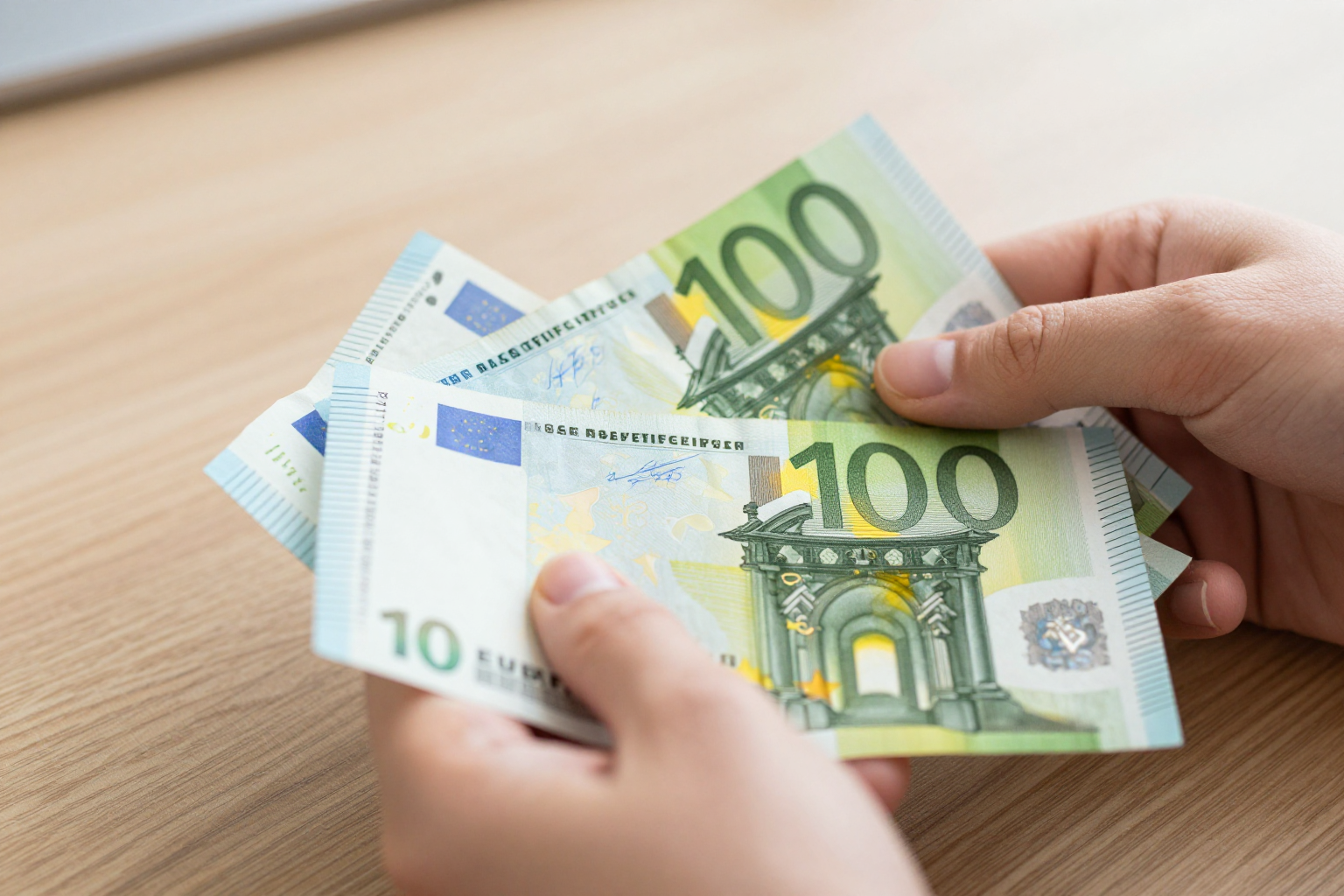
Standing at a currency exchange desk in Madrid, I watched the clerk type numbers into a machine. My €500 withdrawal had mysteriously turned into $432, not the $456 my bank app had promised just an hour earlier. The difference? The app was a money converter. The machine was the real world.
A money converter is a reference tool, not a transaction promise. It gives you a snapshot of one exchange rate at one moment. But the rate you actually get depends on a dozen other factors. Understanding that gap can save you real money, whether you're sending cash abroad, buying a property, or just paying for a cappuccino in another country.
A money converter is a calculator with one job: translate an amount of money from one currency into another. You've probably used one to check how much you'll get for your holiday spending or to compare prices across borders. They're convenient, fast, and free.
But here's the catch: a money converter is not a payment service. It doesn't execute transfers, it doesn't charge you, and it doesn't promise that the rate you see will be available to you. It's a reference point—nothing more.
Most converters, including Google's built-in tool and dedicated tools, display the mid-market rate. That's the global benchmark rate calculated from trades between banks. It's the same rate you'd see on financial news. It's also the rate that retail customers rarely get.
When a currency exchange vendor quotes you a rate, it includes a markup over the mid-market rate. That markup is called the spread. The size of the spread depends on the provider, the currency pair, and the amount you're exchanging.
For example, at the moment the mid-market rate for USD to EUR is 0.92. Your bank might quote you 0.9050 for a counter transaction, which is a 1.6% markup. An online service might give you 0.9180, which is just 0.2% above mid-market. The difference matters: on a $2,000 transfer, that's $26.
This is why the rate you see on a money converter never matches the rate you actually get. If you want a step-by-step explanation of the mechanics, this breakdown of currency exchange rates is easy to follow.
The gap between the converter's number and your final transaction amount has several causes. Let's break them down.
Temporary fluctuations: Foreign exchange markets move constantly. By the time your payment is processed, the rate may have shifted. Some providers lock the rate for a few seconds; others use the rate at the moment of settlement.
Provider-specific pricing: Banks, transfer services, and credit card networks each use their own rate models. Visa and Mastercard publish daily exchange rates that differ slightly from the interbank rate. They also add a percentage on top for certain card types.
Additional fees: A conversion fee is often separate from the exchange rate. You might see a flat $5 charge or a percentage of the transaction. On some currencies, there's also a 'non-sterling transaction fee' or 'foreign transaction fee' that applies even when you use a card abroad.
If you check a money converter in the morning and then send money in the afternoon, you might be making decisions based on outdated information. Exchange rates are not static. A scheduled transfer that takes two days to process can lose or gain value in that window.
This is why financial professionals always look at the exchange rate today and compare it with historical trends. It gives you a sense of whether the rate is favourable or whether you should wait. For a quick refresher, this guide to reading exchange rate numbers is genuinely useful.
A money converter is your first step, not your last. Here's how to turn that number into a real advantage.
First, use the converter to find the mid-market rate. That's your benchmark. Next, contact your bank, money transfer service, or currency dealer and ask them for their actual rate for the amount you need. Some will tell you over the phone. Some will show it in their app. And then calculate the difference.
Second, compare multiple providers. For most people, the highest fees come from using a brick-and-mortar bank or an airport exchange counter. You'll often get a better deal from an online specialist like Wise, Revolut, or Monzo, depending on your country. They tend to use a far narrower spread and disclose their fees upfront.
Third, consider the total cost of the transaction, not just the exchange rate. A provider might offer a great rate but charge a €15 transfer fee. For small amounts, that fee can wipe out the benefit.
For more practical guidance, there's a full article on how to get a real rate instead of a rounded-up guess which covers the exact steps and mistakes to avoid.
Rates change every second. Make sure the money converter you're using shows the exact time of its quote. Google's converter updates every minute or so, which is fine for general reference but not for locking in a transaction. Dedicated tools like Oanda show more precision. Oanda has a powerful currency converter, but it has its limits—something I write about in depth in an Oanda currency converter review.
Sometimes the problem isn't the tool, it's the context. There is a whole subculture of people who believe the Iraqi dinar is about to be revalued to a high rate. They use money converters to imagine their upcoming fortune. The converter will happily display a value for Iraqi dinar against the dollar, but that value is based on the official exchange rate, which is dramatically different from the street rate in Baghdad or the rate offered by currency dealers outside Iraq.
The dinar guru hype has pushed many people into spending thousands on a currency that has little real-world value. A money converter can't tell you about liquidity, government policy, or the actual availability of that currency. It's just a math tool. For a sobering look at the fantasy, this story about dinar guru hype is a good read.
Use this list to avoid paying more than you need:
A quick note: don't be afraid to walk away. Many exchange services rely on customers accepting the first rate they're given. You are not obligated to buy or sell at that moment.
By taking the time to understand the difference between the number on a money converter and the rate you'll actually get, you'll keep more of your money working for you. Whether you're buying a house abroad, paying tuition in another country, or just trying to make your holiday cash last longer, the same rules apply: benchmark, compare, and negotiate. The converter gives you the map, but you still have to drive. That's where the savings are made.
Slot ID: blog-post-bottom