
Loading article...
Slot ID: blog-post-top
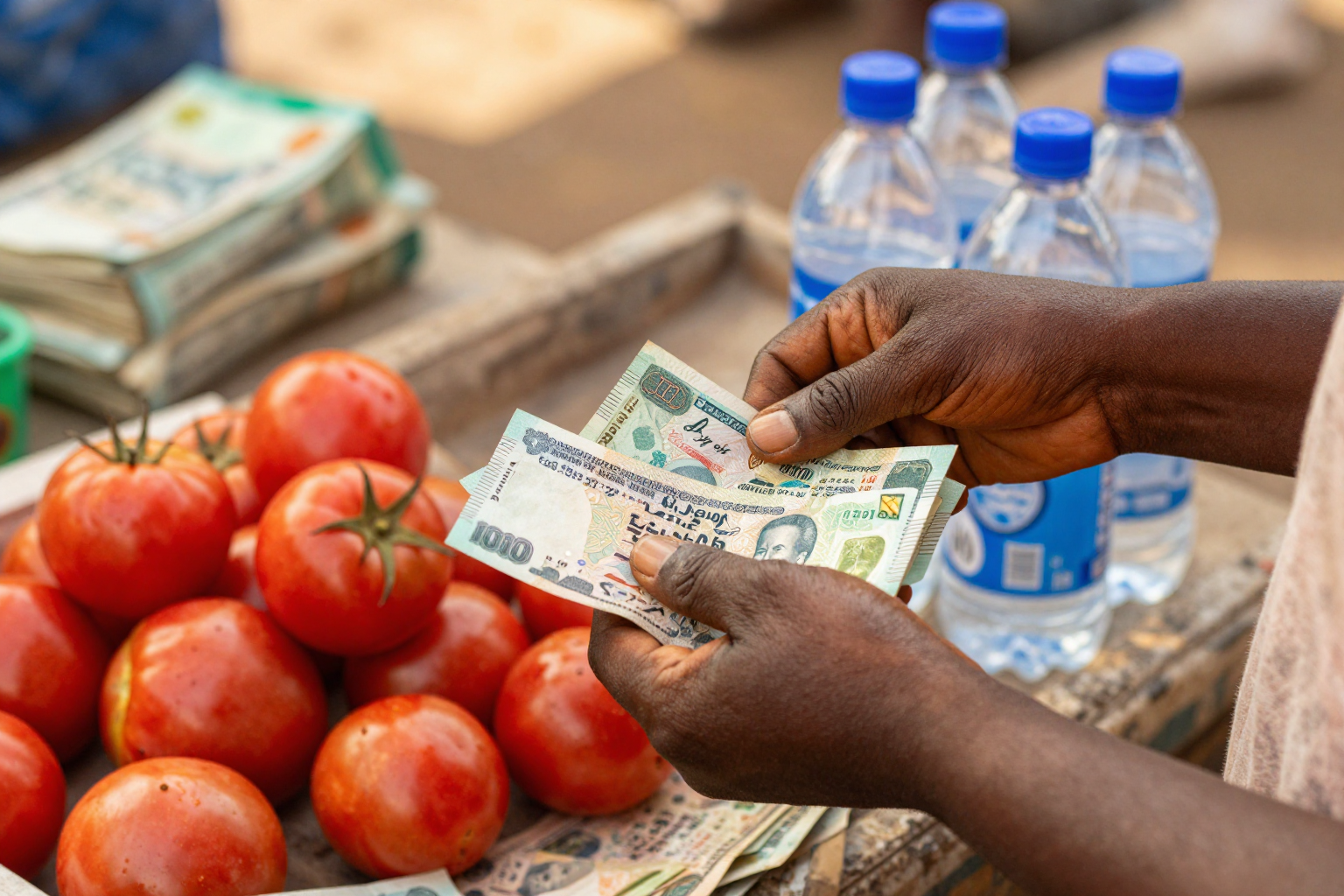
One US dollar in Nigeria is worth roughly ₦1,500 at the time of writing. That single line answers the search, but it's also the least useful version of the answer. The rate you actually get depends on who is selling you the dollars, how you're paying, and which day of the week you walk in. Then there's the more interesting question: once you've done the conversion, what can a single dollar actually do on Nigerian soil?
At the official window, $1 has traded somewhere between ₦1,400 and ₦1,650 over the past couple of years. On any given morning, banks, Bureau de Change operators, and fintech apps will quote you slightly different numbers for the same dollar.
The spread between the cheapest and most expensive quote on the same day is often ₦30 to ₦80 per dollar. That sounds trivial. Multiply it by $5,000 and you're looking at ₦150,000 to ₦400,000 difference for doing nothing except choosing a different counter.
So the honest answer is: check the rate the day you need it, and check more than one source before you commit. Naira pricing isn't a fixed tag on a shelf. It's a market with several tills.
The Central Bank publishes an official rate that banks and licensed dealers are meant to work within. The street rate, quoted by the traders you'll find near markets and airports, moves faster and reacts to what people are actually asking for that morning. Historically the gap between the two was wide. Since the FX market was unified, they've moved much closer together, but small differences still show up daily and can widen quickly when demand spikes.
A commercial bank will give you a decent rate but may cap how much you can buy, especially for travel allowances, and often needs documentation. A Bureau de Change is faster and more flexible on amounts, though you should count your cash twice. Fintech apps and remittance platforms sit somewhere in between: clean rates, transparent fees, but their own margin baked in. If you want a fuller breakdown of why these quotes drift apart, this explanation of what the dollar-to-naira rate really means and why it keeps moving is worth ten minutes of your time.
This is where the number stops being abstract. Convert $1 at around ₦1,500 and here's roughly what that lands you, depending on the city:
So a dollar covers a soft drink and change, or half a plate of jollof, or three short bus rides. In Lagos or Abuja that stretches a little less than in Ibadan or Enugu. If you want the granular version of this, there's a good piece on what one dollar actually buys you in Nigeria that walks through everyday prices in more detail.
Nigeria earns most of its foreign exchange from crude oil, which means the naira's value is tied to something nobody in Lagos or Kano controls: global oil prices, production volumes, and how much foreign currency actually flows into the country each month. When dollar supply is thin, importers bid the rate up because they need dollars to bring in everything from fuel to pharmaceuticals to phone parts.
Policy shifts add their own jolt. A single Central Bank circular on FX allocation can move the rate noticeably within a week. Speculation does the rest. When people expect the naira to weaken, they hold dollars rather than convert them, which tightens supply and makes the expectation self-fulfilling for a while.
There's a seasonal rhythm too. Demand for dollars climbs in December when people travel and celebrate, in the run-up to school fees in September, and during pilgrimage season. Rates tend to firm up during those windows and soften afterwards.
Pay attention to the words "we buy" and "we sell." A trader quoting ₦1,520 is usually telling you what they'll pay you for your dollars, not what they'll charge you to buy them. That gap is the spread, and it's how the trader earns. Ask both numbers before you agree to anything.
A few habits that save real money:
For larger sums, it helps to know what the headline rate really translates into after margin and fees. A breakdown like what your $100 really gets you in Nigeria makes that arithmetic concrete rather than theoretical.
Look at two or three sources on the same day and note the range. If a quote sits far outside that band, either in your favour or against it, ask why before handing over anything. Rates posted by banks, licensed BDCs, and reputable apps on the same morning usually sit within a narrow corridor of each other.
Also check the timestamp. Currency pages that update hourly tell you far more than a screenshot someone forwarded on WhatsApp three weeks ago. This guide to the dollar rate in Nigeria today and what the number means before you exchange explains how to read those quotes properly, including the difference between indicative and transactable rates.
Nigerians don't convert every purchase into dollars, and you shouldn't either. A trader in Onitsha selling plastic buckets thinks in naira, prices in naira, and pays suppliers in naira. The dollar only enters the picture when something in that chain is imported, which is more often than most people assume: the resin in the bucket, the fuel in the truck, the spare part in the generator running the shop.
That's why imported goods feel the exchange rate almost immediately while locally grown food and services lag behind. Knowing the dollar rate helps you predict which prices are about to shift. A weakening naira tends to show up in electronics, cars, and pharmaceuticals first, then in transport, and only much later, if at all, in a plate of beans at your neighbourhood joint.
One dollar is a small unit. It buys a bottle of Coke and a sachet of water with change, or roughly half a plate of food, or a short ride across town. But it's the same unit that prices fuel, phone parts, and imported medicine, which is why a number that looks so small on a screen ends up shaping daily life across the country. Check the rate, compare two or three counters, count your cash, and remember that the figure only means something once you know what it buys where you're standing.
Slot ID: blog-post-bottom