 Currencies
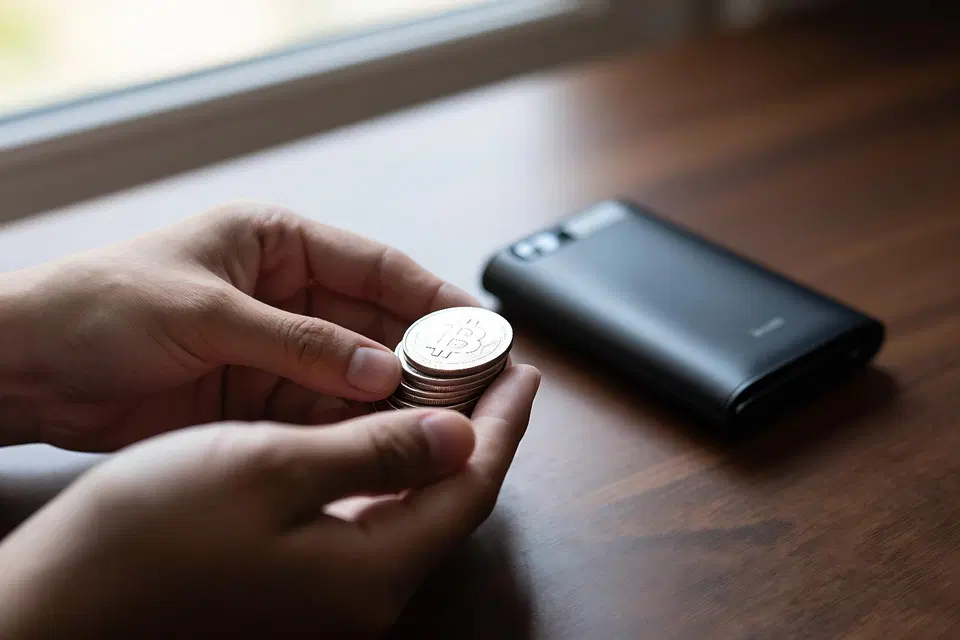
On 23 July 2024, nine spot Ethereum ETFs opened for trading in the United States. Combined first-day volume ran past $1 billion, and the headline number that got buried underneath it was this: the largest of those funds, a converted trust with a 2.50% fee, bled roughly $484 million in outflows on day one. Money was moving, but a lot of it was simply moving sideways.
That split tells you most of what you need to know about Ethereum ETFs. They are a genuinely useful piece of financial plumbing, and they are also a product with sharp edges that don't show up in the press release. Here's what's actually inside the wrapper.
An Ethereum ETF is a share, not a coin
When you buy a spot Ethereum ETF through a normal brokerage account, you own shares in a trust. The trust owns ETH, held by a custodian, and an authorised participant mechanism keeps the share price tethered to the value of the underlying coins.
You never touch a private key. You never sign a transaction. You never pay a gas fee that swings from 40 cents to $38 depending on what everyone else is doing that afternoon. Settlement happens in dollars, inside the same account where you hold index funds, which is the entire appeal for a certain kind of investor.
The trade-off is that you can't do anything with the ETH. You can't lend it, swap it for a tokenised treasury bill, or use it as collateral. You own exposure to a price, not a position on the network.
Spot versus futures: a difference that shows up in your returns
Ethereum futures ETFs existed for years before the spot products arrived. They hold CME futures contracts rather than coins, which means the fund has to roll expiring contracts into new ones every month. When the futures curve sits in contango, meaning later-dated contracts cost more, that rolling process quietly eats returns. In a steep contango environment a futures fund can lag spot ETH by several percentage points a year before you even get to the expense ratio.
Spot ETFs skip that problem. The fund buys actual ETH, stores it, and the share price tracks the coin minus fees. If you're comparing two tickers that both say "Ethereum" in the name, check which category you're in first.
The staking gap that shaped the first year
Ethereum runs on proof of stake. Roughly 3% a year in new ETH goes to validators who lock up coins and secure the chain. The first wave of US spot ETH ETF filings stripped staking out entirely, a concession to regulators who viewed it as a securities headache.
That mattered more than it sounds. A fund holding idle ETH tracks the price and pockets nothing from the network's yield. An investor running their own validator, or using a staking service, collects that ~3% on top. On a $50,000 position, that's about $1,500 a year of return you simply don't receive inside the ETF wrapper, and the expense ratio comes off the top regardless.
Issuers spent 2025 filing amendments to add staking back in, and approvals have started to arrive for some products. Read the current prospectus rather than trusting an article written a year ago. If you want the mechanical version of how the network produces that yield in the first place, the Ethereum network explained without the buzzwords walks through it without the jargon.
Fees range from 0.15% to 2.50%, and the gap compounds
The spread between the cheapest and most expensive spot Ethereum ETFs is wider than in almost any other corner of the ETF market.
- Grayscale Ethereum Mini Trust (ETH): 0.15%, the current floor, introduced partly to stop the bleeding from its sibling fund.
- Franklin, VanEck, Bitwise and 21Shares: roughly 0.19% to 0.21%, with temporary waivers that push some of them lower for the first year.
- BlackRock and Fidelity: 0.25%, with partial fee waivers on the first slice of assets.
- Grayscale Ethereum Trust (ETHE): 2.50%. This is the converted legacy trust, and it is the single most expensive way to own ETH in an ETF wrapper.
Run the numbers on a $25,000 holding over ten years and the difference between 0.15% and 2.50% is well into four figures, compounded. Waivers expire, too. Those 0.12% headline rates are marketing for year one; the durable number is the one printed after the waiver clause.
Flows move prices at the margin, not the core
Every time an authorised participant creates new ETF shares, someone has to go buy spot ETH. That's real demand hitting real order books, and it's why launch weeks tend to produce dramatic charts. The full Ethereum price history from 31 cents to $4,878 is a useful reminder that ETF flows landed on top of a cycle that was already running hot, not as the thing that started it.
Here's the scale problem. Ethereum's total market value sits in the hundreds of billions, and market cap measures something narrower than most people assume. Cumulative spot ETH ETF inflows since launch are measured in the low tens of billions. That's enough to shift sentiment and definitely enough to move a headline, but it's a small slice of the float. Treat flows as a mood indicator with a lag, not a price formula.
ETF or self-custody? The honest comparison
The ETF wins on admin. It sits in a tax-advantaged retirement account, it produces a clean annual statement, it can be sold in a click, and there is no seed phrase to lose or hardware wallet to remember. For someone allocating 2% of a portfolio to digital assets, that simplicity is worth real money.
Self-custody wins on optionality. You hold the asset outright, you can stake it, and you're not paying anyone 0.25% a year for the privilege of a custodian arrangement you can't inspect. If that route appeals, choosing an Ethereum wallet you'll still trust in five years is the decision that actually matters, more than which exchange you used to buy.
One practical wrinkle people miss: an ETF trades only during market hours, Monday to Friday. ETH trades 24/7. A weekend crash in the crypto market gets priced into your ETF shares at Monday's open, with no way to react in between.
What to check before you buy a ticker
- Spot or futures? Confirm the fund holds coins, not contracts.
- The real expense ratio, after any waiver expires.
- Staking status. Does the fund stake, and does it pass the yield through or keep a cut?
- Assets under management. Thin funds have wider bid-ask spreads, which is a hidden cost on every trade.
- Custodian. Who holds the coins, and what insurance or segregation applies.
- Premium and discount history. Compare market price to net asset value over the last month. Persistent gaps mean the creation mechanism isn't working smoothly.
The next fight is over what the wrapper is allowed to do
Three things are worth watching, and none of them are about price targets. First, whether staking inside ETFs becomes standard rather than a differentiator, which would narrow the gap between fund returns and network returns. Second, whether options on these funds get broad approval, since that determines whether institutional desks can hedge and size positions properly. Third, in-kind creation and redemption, which would let large holders move ETH into a fund without a taxable sale.
Worth remembering that the US arrived late. Canadian spot Ethereum ETFs launched in April 2021, nearly three years earlier, and they've been quietly running ever since. The American product is bigger and better marketed, but it isn't novel, and the structural questions it raises have been answered elsewhere before. Read the fee table, check whether the fund stakes, and decide whether you want a price tag or a position.