
Loading article...
Slot ID: blog-post-top
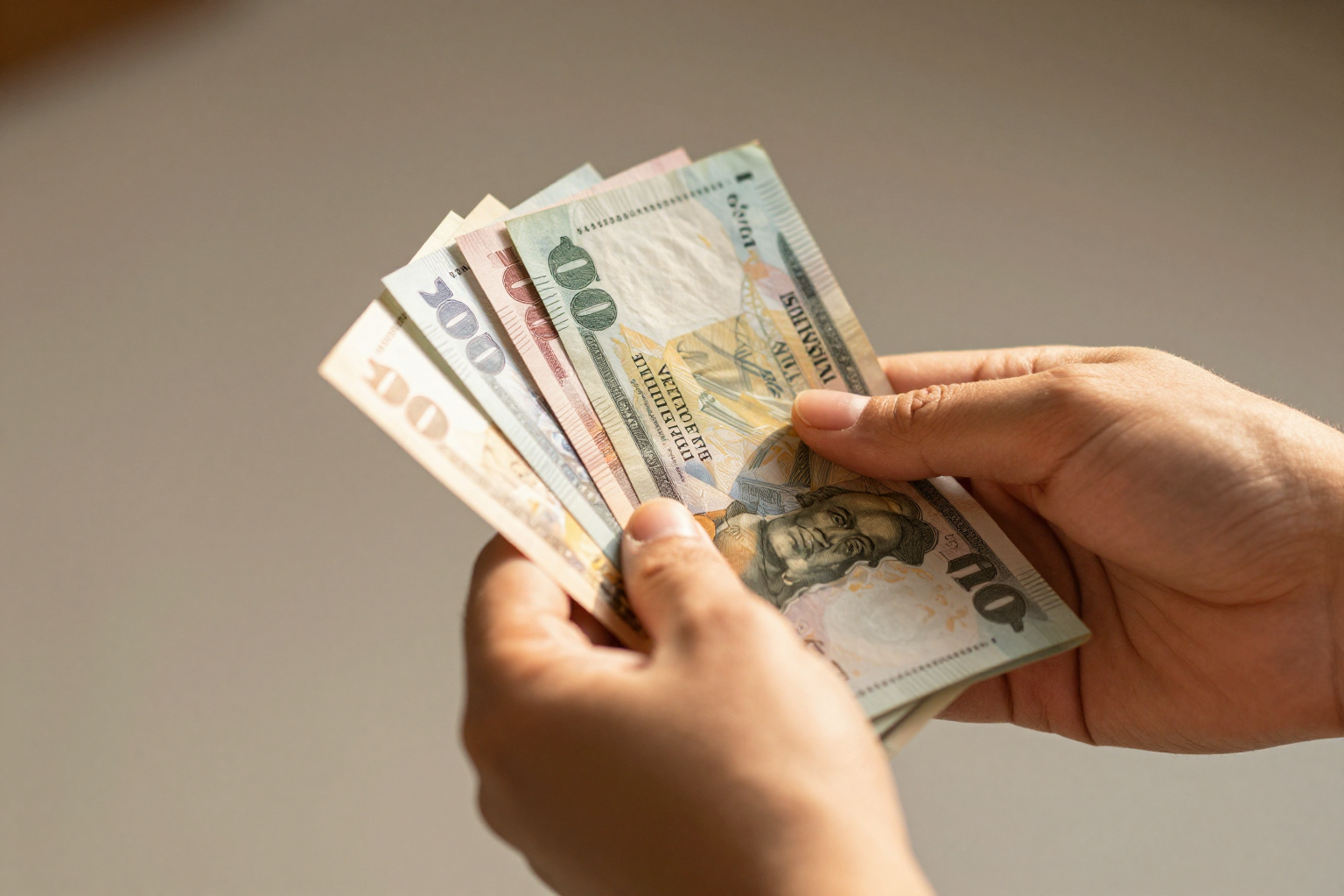
If you've ever typed 'Iraqi dinar' into a search bar, you've met one: a dinar guru. These are the voices you see in YouTube thumbnails, forum threads, and Telegram channels, promising that Iraq's currency is on the edge of a massive 'revaluation.' They often include a date, a rate, and a story about someone who bought 10 million dinars and became a millionaire. The only thing missing is a public record of any such event happening.
Before you buy dinars or pay for a 'VIP' currency room, it's worth stepping back. What actually qualifies someone as a dinar guru? Why do their predictions keep popping up year after year? And how can a beginner separate meaningful currency information from clever storytelling?
A dinar guru is not a formal designation. It is a catch-all for online personalities who publish regular news, 'intel,' and predictions about the Iraqi dinar. Some used to be cable-news bloggers; some came from the world of stock rumours. Most have no formal training in economics or international finance. Their authority usually comes from having a confident voice and a lot of followers.
Not all of them are dishonest. Plenty genuinely believe Iraq will restore its currency to an old, much higher value. But that belief creates a conflict: people who sound absolutely certain are also very hard to disprove, because the evidence they rely on is rarely public.
Some dinar gurus run currency exchange businesses on the side. They sell physical dinar notes to customers and earn a spread or commission. There is nothing illegal about that. But it means their income depends on people buying currency, not necessarily on the currency increasing in value.
Others position themselves as investigators. They share screenshots of emails, telephone calls to unidentified people in Baghdad, or 'CBI contacts' who refuse to be named. These sources can't be checked. When they are wrong, there's always another contact with a new story.
If you're brand-new to currency markets, a guide to currency exchange rates from scratch helps you see why these guru stories rarely line up with how exchange rates actually behave.
There's a perfectly understandable reason the Iraqi dinar has a cult following. It trades at a very low value against major currencies. A single dollar will buy more than 1,300 dinars, so 100 dollars can buy a large stack of crisp notes. If that stack someday tripled, quadrupled, or returned to its pre-1990 value, early buyers would look like geniuses.
That 'if' is the problem. Central banks don't create wealth by printing a currency that later rises. When a currency strengthens, it's usually because of inflation, interest rates, foreign investment, and confidence in the economy. None of those can be switched on by a date predicted in a forum post.
Iraq also has an active oil export economy, which fuels the imagination. But oil money alone doesn't make a currency valuable. An official exchange rate can stay heavily controlled even when fundamentals improve.
If you read dinar pages long enough, you will see two acronyms over and over: RV and RD.
RV stands for revaluation. In simple terms, it means the official exchange rate of the dinar rises against the U.S. dollar.
RD stands for redenomination. That's when a country removes zeros from its currency notes and adjusts prices accordingly. Iraq has not redenominated the dinar, but gurus have talked about the country dropping three zeros for years.
The confusion between the two is where a lot of hype is born. Reducing zeros does not automatically make a 25,000-dinar note worth 25,000 dollars. If prices also drop by three zeros, the note still buys roughly the same amount of bread, fuel, or rent. It's a cosmetic accounting change, not a money printer.
Follow any active guru community for more than a few weeks and you'll notice a pattern.
A guru announces that the Iraqi Central Bank is preparing a dramatic rate change. A date and number get passed around. When the date arrives, ordinary banks still exchange dinars at roughly the same value. Nothing public happens. Undeterred, the same guru says the plan was delayed, or moved quietly, or is being covered up. A new date appears. The cycle repeats.
This pattern has been running since the early 2000s. That fact alone isn't proof of fraud, but it is proof that prediction reliability is extremely low. If someone had true insider knowledge of a currency event, the margins for them to trade on that knowledge would be enormous. Actual insiders don't sell digital memberships to retail investors first.
You don't need a finance degree to evaluate a dinar guru's claims. You just need to watch for the same signals used in every speculative online marketplace.
None of these alone automatically means a person is lying. But if three or four of them describe a guru, you're in speculation territory, not financial education territory.
When someone makes a bold claim, check it yourself before you repeat it or act on it. Start with a neutral currency converter. The OANDA currency converter for beginners shows live market rates and makes clear that no reputable platform is quoting Iraqi dinars anywhere near a dollar per dinar.
You can also search the Central Bank of Iraq's official site or known Iraqi news organisations for currency statements. When a major announcement actually happens, it is rarely hidden behind a forum login.
It also helps to remember that a currency converter is a snapshot of the current market, not a prediction tool. It has no clue what a guru said yesterday. If every live data source disagrees with one anonymous post, the post is likely wrong.
If you're interested in currencies and want to learn, there's a more grounded path than waiting for RV night.
Start with the basics of how exchange rates are determined. Exchange rates made simple is written for people who want to understand without jargon. It won't make you rich, but it will make you harder to mislead.
Next, think about currencies you actually use. Do you send money abroad? Does your business buy in euros, dollars, or pounds? Focus on practical costs such as spreads, transfer fees, and undisclosed markups. There are more money-converter myths about rates and fees than most beginners realise, and they cost you far more often than a guru's fake rate ever will.
Finally, if you still feel drawn to the Iraqi dinar story, treat it as a speculative purchase with money you can afford to lose - never as a retirement plan. Ask a licensed financial adviser why they wouldn't touch it. Then listen.
Slot ID: blog-post-bottom