
Loading article...
Slot ID: blog-post-top
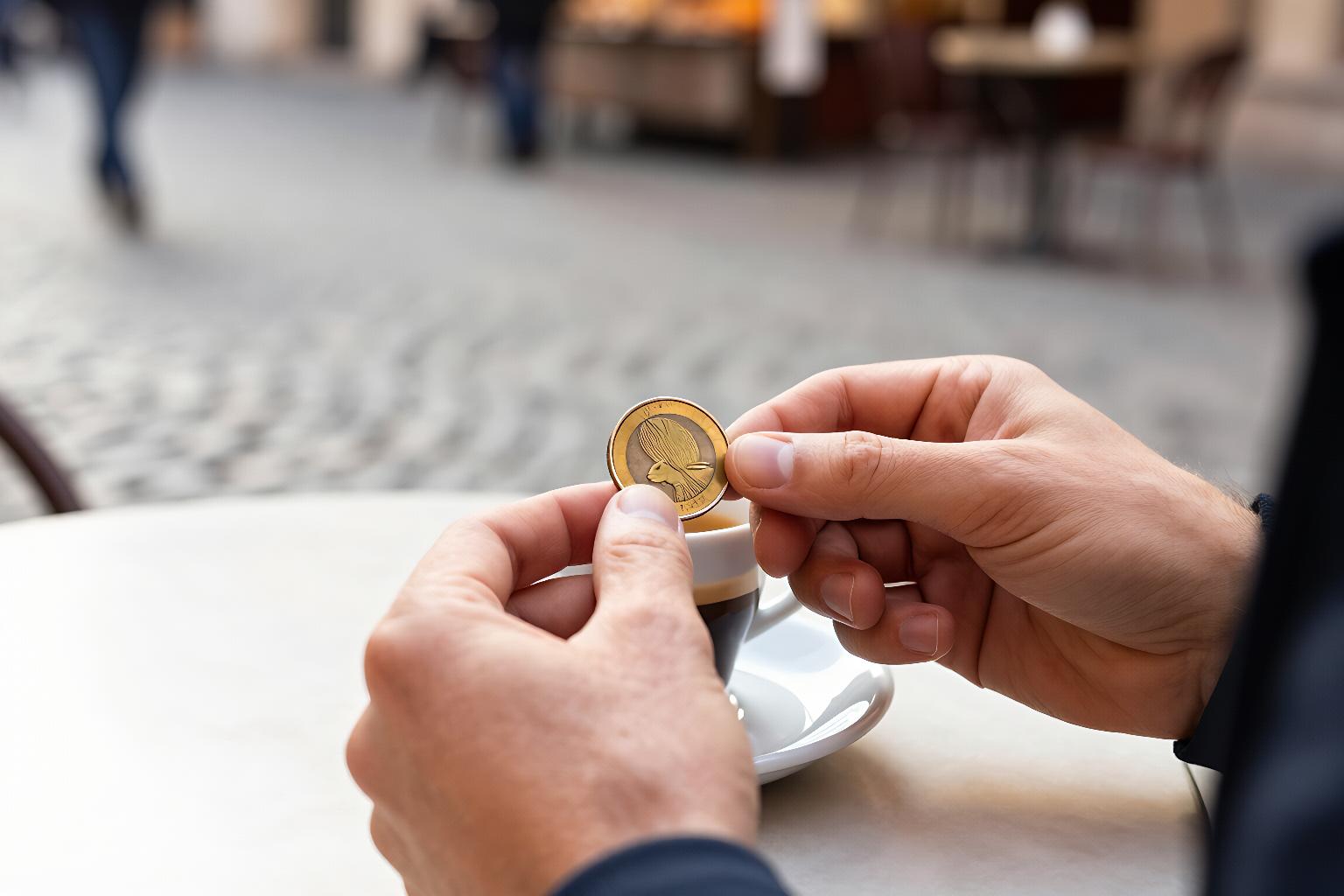
Type "1 US dollar in euros" into a search bar and you'll get a tidy answer. Something like 0.92. One dollar equals roughly ninety-two cents in Europe. Simple.
Then you get to the airport, hand over $500, and walk away with noticeably less than €460. The tidy answer and the real answer were never the same number. That gap is where a surprising amount of money disappears, and understanding it takes about ten minutes of reading.
The figure you see quoted online comes from the interbank market — the rate banks and large institutions use when they trade millions at a time, in enormous volumes, with almost no spread. It's the equivalent of the price a supermarket pays for a pallet of tomatoes. You and I buy one tomato.
So when a currency site tells you one dollar buys 0.92 euros, that's a benchmark. It tells you which direction the dollar is moving and roughly how far one unit of American currency stretches in Europe. It does not tell you what will land in your pocket when you actually convert.
For a genuinely detailed walk through how far a single dollar stretches in real European terms — a coffee in Lisbon, a tram ticket in Prague, a bakery loaf in Lyon — read what one dollar actually buys you in euros. It's a useful reality check before you start planning a budget around the headline number.
You can check the rate on your phone, walk into a bureau de change, and discover the board shows something noticeably worse. Same afternoon, same currency, same city. Two different prices.
That's because the rate on the board isn't the rate — it's the rate combined with a margin. The provider buys dollars from you slightly below market and sells them onward at market, keeping the difference. Sometimes that margin is baked invisibly into the quoted number. Sometimes it's split out as a separate "commission" that makes the rate look better than it really is.
This is the single most common source of confusion for travellers, and it's explained well in why two people get two different numbers on the same day. Short version: the mid-market rate is a reference point, and every provider you meet sits somewhere below it.
Say the mid-market rate is 0.92. You want to convert $1,000.
The spread between the worst and best option here is €50 on a single thousand-dollar conversion. That's two dinners. It's also the entire point of paying attention to anything beyond the headline figure.
People obsess over whether the dollar will hit 0.95 or slip to 0.89. Here's a way to scale that anxiety properly.
On $1,000, a move of one cent in the euro rate is worth about €10. Five cents — a fairly big swing over a few months — is worth around €50. On $20,000, the same five-cent move is €1,000, which starts to matter a great deal more.
For most travellers spending two weeks in Europe, the rate fluctuations they agonise over are worth less than the fee they paid at the exchange counter without noticing. Getting the provider right beats getting the timing right, almost every time.
If you're moving serious money, though — a property deposit, a salary, a tuition payment — timing genuinely does matter, and so does the mechanism you use. what you really pay on the US dollar rate in Europe covers the mechanics in more depth, including the difference between spot conversions and forward contracts.
Currency charts can swallow an afternoon. A few things worth knowing before you open one:
A simple habit: before any conversion over a couple of hundred dollars, divide the rate you're being offered by the mid-market rate. A result of 0.99 is excellent. A result of 0.94 means you're paying six percent for the privilege, and you should look elsewhere.
Airport kiosks and hotel front desks are the classic offenders, and for good reason — they have a captive audience and high rent. Rates there can run five to ten percent off mid-market, sometimes worse on weekends and public holidays.
Dynamic currency conversion is the sneakier one. That's when a card terminal or ATM offers to charge you in your home currency instead of euros. It feels helpful. It isn't. You're accepting the machine's own rate, which typically carries a markup of three to seven percent, and no fee is shown because there's no separate fee line to show.
Always choose to be charged in the local currency. The full list of traps, and how each one costs you, is set out in what you really get and how to avoid the bad rate. Worth a skim before any trip.
A few habits, none of them clever, all of them effective:
Withdraw larger amounts less often. Most ATMs charge a flat fee per transaction, so taking out €100 five times costs more than taking out €500 once — provided you're not carrying cash you'd rather not hold.
Spend your leftover euros or convert them back before you fly home. Currency you bring back and sell at a departure-lounge kiosk gets hit twice: once on the spread, and once again on the minimum fee.
Set a reminder to check the rate on a weekday. Currency desks widen their spreads on weekends because the wholesale market is closed and they're carrying risk. A Tuesday morning conversion is often a slightly better deal than a Saturday one, without you doing anything dramatic.
And keep the headline number in perspective. "1 US dollar in euros" is a useful compass, not a price tag. The number that matters is the one printed on your receipt — and that one you can control far more than you'd think, just by knowing which counters to walk past.
Slot ID: blog-post-bottom