
Loading article...
Slot ID: blog-post-top
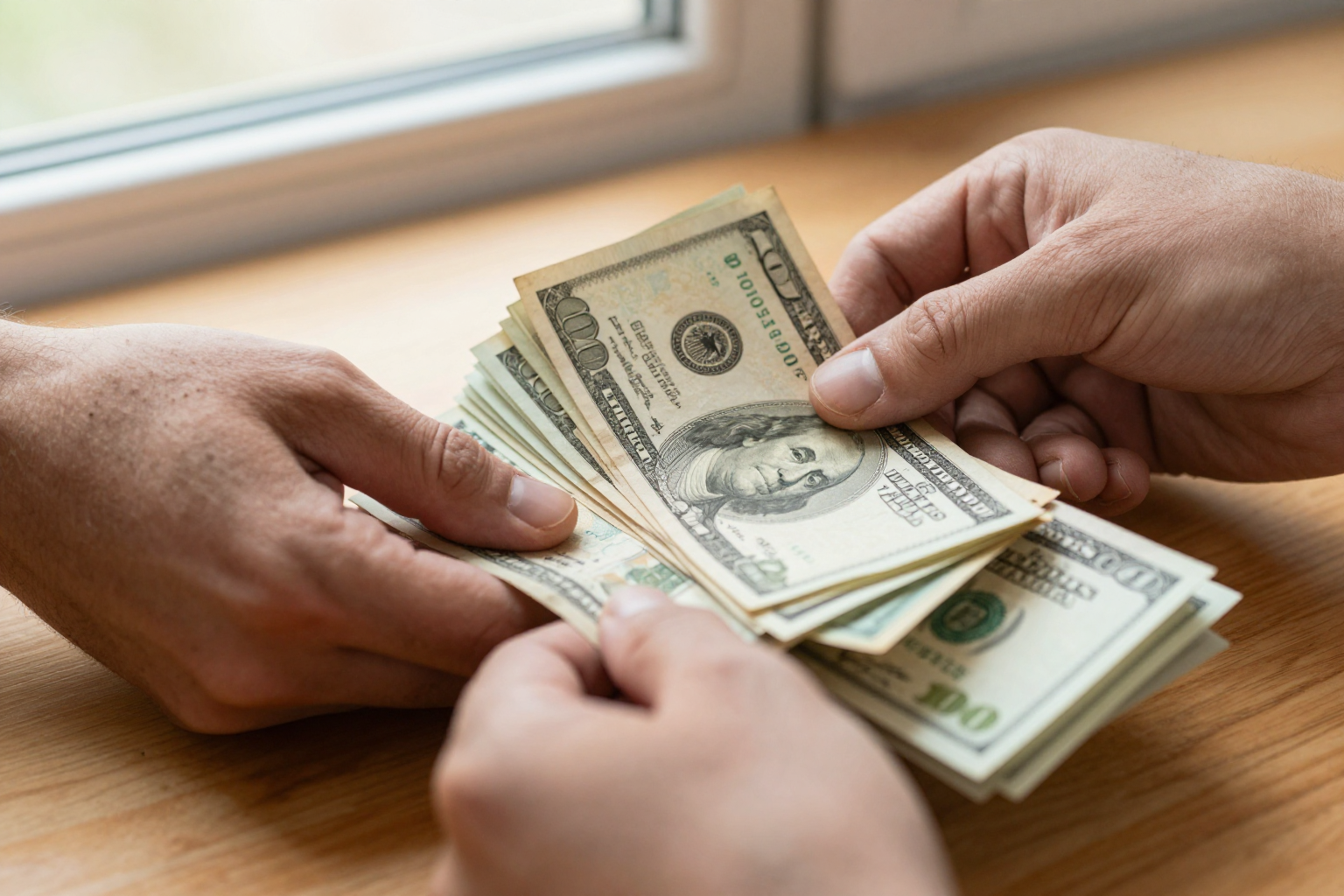
Punch 100,000 rupees into a PKR to USD currency converter on a Monday morning and you might see $358. Ask your bank to send the same amount that afternoon and the recipient could end up with $352. Nothing moved on the world market. The gap is the difference between a published rate and the rate you're actually offered, and it's the single most useful thing to understand before you move money between Pakistan and the United States.
What follows is a practical guide to that number: what it represents, how to check it in your head, and where the small print quietly costs people real money.
Almost every converter you'll find, Google included, displays the mid-market rate. That's the midpoint between the highest price buyers will pay for dollars and the lowest price sellers will accept. Large institutions trade with each other at roughly this level, and the figure updates constantly during the trading week.
The mid-market rate is a fair reference point. It is not a promise. No bank, exchange house or app will hand you that exact rate on a retail transaction, because they need to cover their own costs and risk. The rate you're quoted will always be a little worse.
The difference is called the spread, and it hides in plain sight. A converter might show 279 PKR to the dollar while the counter offers 281.5. That's roughly 0.9%, which sounds minor until you convert a year's worth of savings.
Some providers add a flat fee or a percentage commission on top, so the true cost is the spread plus the fee. Comparing only the headline rate is how people lose money without noticing. It's worth putting the number you see versus the rupees you get side by side before you commit to any provider.
Divide the rupee amount by the exchange rate. At 279, that's 25,000 ÷ 279 ≈ $89.60. To check the answer, multiply the dollars back by the rate: 89.60 × 279 ≈ 24,998. The small rounding gap tells you if you slipped a decimal.
Memorise one anchor figure, such as 10,000 rupees being worth about $36, and you can estimate almost anything by sliding the decimal point around. If you're working in the opposite direction, this explanation of what the USD to PKR rate actually means for your rupees walks through the reverse calculation in more detail.
A designer in Lahore billing a US client $1,500 a month cares about a tenth of a percentage point. Over a year, a 1% gap on $18,000 is $180 — roughly a month of internet and electricity, gone quietly. Watch the rate your platform applies, not just the one it advertises on the homepage.
For a household in Karachi receiving $300 a month, the difference between 278 and 281 is about 900 rupees. Multiply by twelve and it's a meaningful slice of a school fee. Timing a transfer around a big rate swing can matter more than shopping around for a provider.
Anyone buying dollars, whether for a visa fee, tuition or an overseas supplier, faces the mirror image of the same problem. The rate quoted at the counter is what counts, so ask for the final amount in dollars before you hand over any rupees.
Suppose you earn $2,000 a month from overseas clients. At 279, that's 558,000 rupees. At 281.5, it's 563,000. That's 5,000 rupees more, about the price of a decent family dinner, every single month.
Now imagine a property sale or an inheritance being converted. On $50,000, a 1% spread is $500. Not a rounding error; a flight ticket. The point isn't to obsess over tiny movements. It's to know what the spread is costing you so you can decide whether switching providers is worth the hassle. The same arithmetic shapes what a headline rate really costs you in any currency pair, not just this one.
Three things, in order. First, the rate and its timestamp — an offer older than a few minutes is a guess. Second, the total your recipient will actually receive, not the amount you send. Third, the fee structure in writing, including whether it's deducted from the transfer or charged separately.
Then run a small test transaction if the sum is large. Send a modest amount first, confirm what lands, and only move the bulk once you've seen the real figure. It costs a few hundred rupees and removes all the guesswork.
Rates for the Pakistani rupee have been volatile enough in recent years that no converter, however polished, can tell you what next month looks like. What it can do is give you an honest baseline. Compare that baseline against the quote on your screen, do the arithmetic yourself, and the gap between the two numbers becomes something you control rather than something you discover after the money has already left.
Slot ID: blog-post-bottom