
Loading article...
Slot ID: blog-post-top
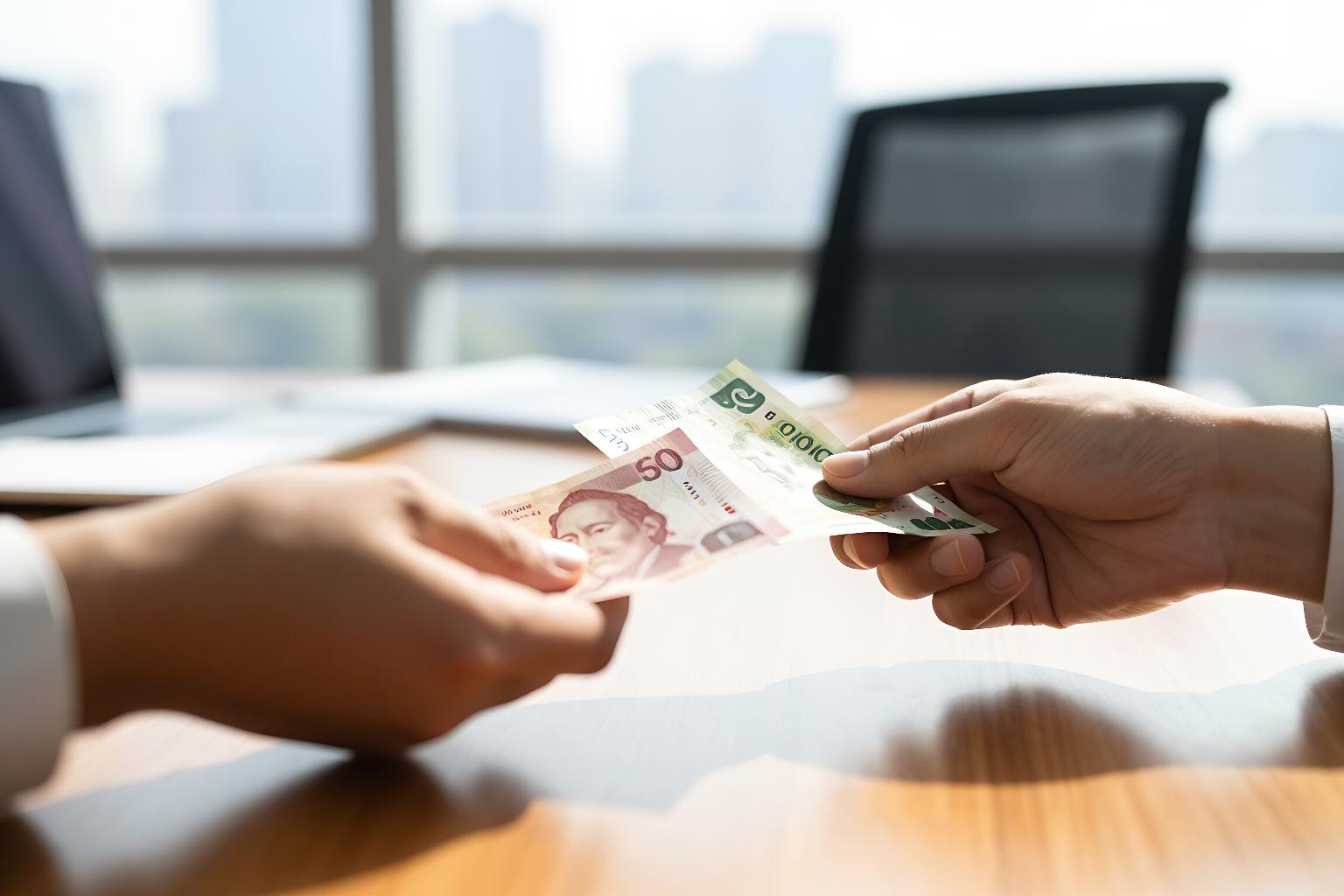
Strip away the jargon and an FX trade is a swap. You hand over one currency and receive another at a rate both sides agree on, and once it settles your money is worth whatever the market says it's worth. A tourist buying euros at a Spanish airport does it. A Manchester manufacturer paying a supplier in Frankfurt does it. So does a fund manager shifting £40 million between two accounts in a single afternoon.
The mechanics barely change between them. What changes is the size, the cost, and the reason behind the trade.
Currencies are always quoted in pairs, because you can't buy one in isolation. You buy it with another. In EUR/USD at 1.0850, the euro is the base currency and the dollar is the quote currency, and that number means one euro costs 1.0850 US dollars.
Every trade therefore has two legs happening at once. You're long one currency and short the other. If the rate moves to 1.0900, your euros buy more dollars than they did before. If it slips to 1.0800, the reverse. There's no way to be "up" on a currency in a vacuum, which is the first thing that trips up newcomers.
Most trades also never involve physical banknotes. They're ledger entries, netted against each other at the end of each day. The trillions that change hands daily in the FX market are largely bookkeeping rather than cash in a vault. If you want the plumbing behind that, this walkthrough of how the currency market really works covers the layers, from interbank dealing down to the rate on your banking app.
Any live quote you see is really two prices. The bid is what a dealer will pay you for the base currency. The ask is what they'll charge you to buy it. The gap between them, the spread, is how the dealer gets paid.
On a major pair like EUR/USD in the interbank market, that spread can be a fraction of a pip. At a high-street bureau or an airport kiosk, it's baked into a rate that might be 3% worse than the mid-market. On a £5,000 holiday money exchange that's roughly £150 gone, and you never see it as a fee.
A pip is 0.0001 in most pairs and 0.01 in pairs involving the Japanese yen. On a $100,000 position, one pip is worth about $10. On the £200 you're converting for a weekend trip, one pip is worth two pence. Same unit, wildly different stakes.
That last group gets the most attention and moves the least money. When you place a retail FX trade, you're usually taking the other side of a bank's position, not competing with it.
Money drifts toward higher yields. When a central bank signals it will hold rates higher for longer, its currency usually firms, because holding deposits in it pays more. Rate expectations drive more FX movement than almost anything else.
Inflation that runs hotter than expected tends to push a central bank toward tightening, which strengthens the currency. Weak employment or retail numbers do the opposite. This is why a single monthly print can move a major pair half a percent in minutes.
Countries that export what the world is buying see steady demand for their currency. The Australian dollar tracks iron ore and Chinese industrial demand closely, which is why anyone sending money between Sydney and Mumbai watches two very different data sets. A breakdown of what drives the Australian dollar against the Indian rupee shows how commodity prices and remittance seasons pull the same rate in opposite directions.
Crowded trades unwind fast. When everyone is short the same currency, a small piece of good news can trigger a violent squeeze as they all try to exit at once.
A spot trade settles in two business days at today's rate. It's what most people mean by an FX trade, and it's fine when you need the money now.
A forward locks a rate today for a date in the future, usually up to a year out. If you know you owe €80,000 in September, a forward removes the guesswork. The rate you get isn't the spot rate, it's the spot rate adjusted for the interest rate difference between the two currencies, which is why forwards on a high-yielding currency look worse than the number on the screen.
Futures do the same job but trade on an exchange with standardised sizes and daily margin calls. Options give you the right, but not the obligation, to trade at a set rate, which costs a premium but leaves you free to benefit if the market moves your way.
Beginners tend to focus on direction and ignore everything else. The friction is where the money actually leaks away.
Add those up on a small account and a strategy that looks profitable on a chart can lose money in practice. A single currency pair with a 1.5 pip spread, traded ten times a day, costs 15 pips daily before the market has done anything at all.
Position size is the big one. Risking 20% of an account on one trade means a normal losing streak wipes you out, and currencies move 1% in a day far more often than people expect. The second is trading without a stop, then telling yourself the rate will come back. It might, but your broker's margin call won't wait for it.
Trading directly into major data releases is another. Spreads widen, liquidity thins, and orders fill at prices that bear no relation to what you clicked. And churning trades to feel busy is the fastest way to turn a small edge into a large loss.
Before you commit, look up the mid-market rate on a neutral reference source. That's the midpoint between the global buy and sell prices, with no markup attached. It's the benchmark, not a rate you'll ever be offered.
Then compare it with what you're actually being quoted. Two percentage points of difference on a €10,000 transfer is €200, which is worth twenty minutes of shopping around. Ask every provider for the all-in cost: the rate, the fee, and any receiving charges on the other end. A provider quoting "zero fees" with a 3% markup is more expensive than one charging £8 and giving you the real rate.
The same logic works if you're converting for a house deposit, a tuition payment, or a holiday. Get the mid-market number first, then judge every quote against it. Knowing what a fair rate looks like, and knowing that the rate you see today may not be the one you get tomorrow, is most of the battle. Everything else is learning to read the market's mood.
Slot ID: blog-post-bottom