
Loading article...
Slot ID: blog-post-top
Staking 32 ETH on your own hardware earns roughly 3% a year right now. On a serious position that's a few thousand dollars annually, paid in ETH, block by block, whether the price is up or down that week. Almost everything else written about ethereum staking hangs off that one fact, and a fair amount of it exists to make the yield sound bigger or the process sound easier than it is.
Here's the working version.
Ethereum stopped using miners in September 2022. Since then the chain is secured by validators: machines running client software that lock 32 ETH as collateral and get paid to propose blocks and attest to other people's blocks. Attestations are votes on which chain is correct. Enough votes arriving in time and a block finalises.
Rewards come from three places. New ETH issuance, which is small and shrinking. Priority fees from transactions inside blocks you propose. And MEV, the extra value captured by ordering transactions a particular way, usually routed through a relay. The fee and MEV portion is lumpy. You might propose nothing for four days, then land a block worth 0.08 ETH in tips.
Where validators get hurt:
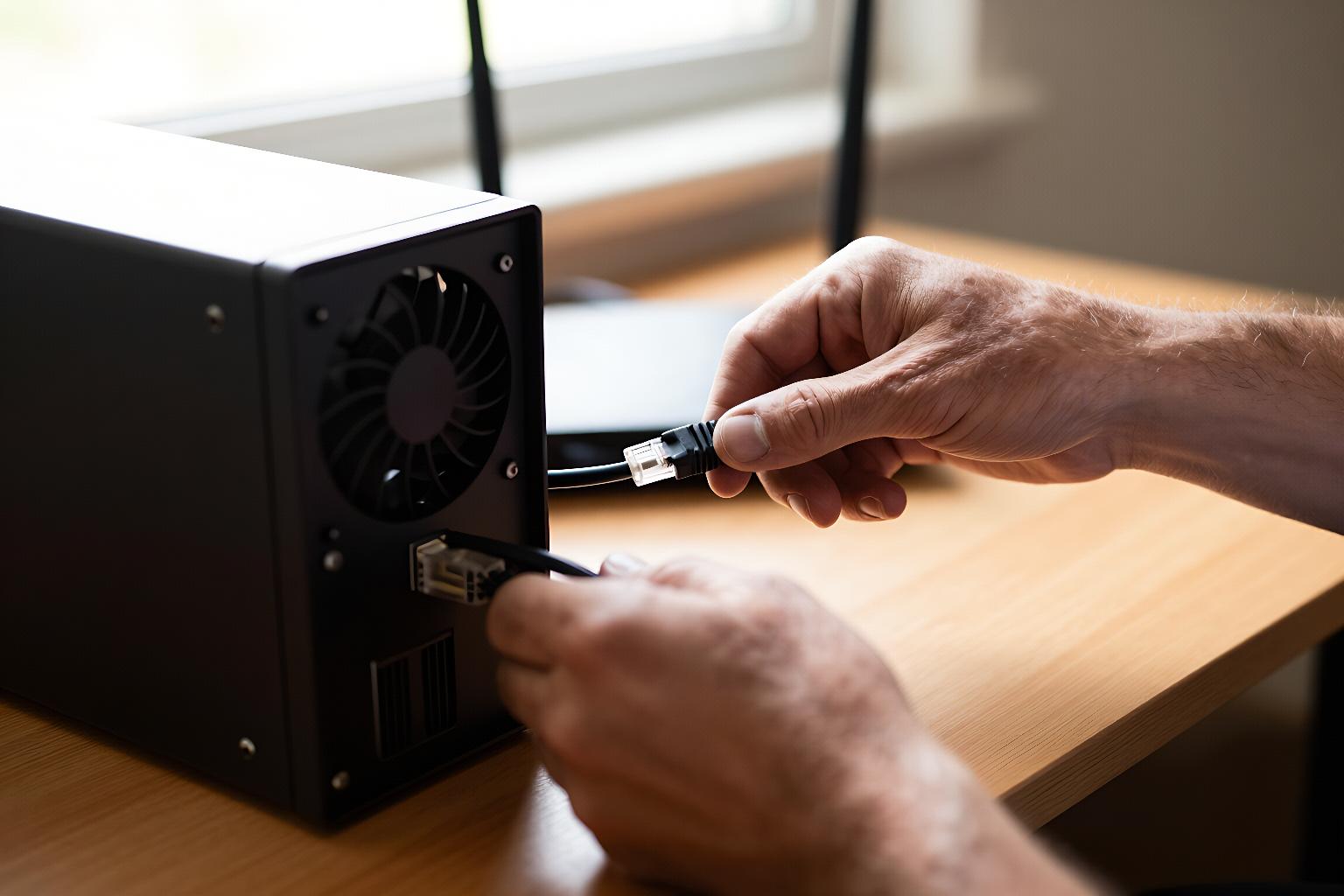
You run the validator. That means 32 ETH, a machine with a 2TB NVMe drive and 16GB of RAM, and a reliable connection. You keep every reward, you hold your own withdrawal keys, and nobody can freeze your position. It also means you are the person who gets woken up at 2am when a client update goes wrong. Solo staking suits people who enjoy the operational side and can keep uptime above 99%.
You still supply 32 ETH and keep the withdrawal keys, but an operator runs the hardware. Expect to hand over 5% to 15% of rewards. Read the terms closely: who holds the signing keys, what happens if the provider is slashed, and whether you can move without exiting.
Rocket Pool lets you run a node with 8 ETH of your own plus ETH borrowed from the pool. If you don't want to run anything, you can simply hold a liquid staking token like rETH or stETH. The token's exchange rate to ETH drifts upward as rewards accrue, and you can sell it whenever you like. The catch is smart contract risk and a market price that sometimes trades below the underlying value.
One click on a major exchange. They stake on your behalf, take a cut, and hand you an IOU. It's the lowest-effort option and the one with the most counterparty exposure. Withdrawal delays during busy periods are normal, and you don't control the validator.
Base issuance APR sits somewhere between 2.7% and 3.5%, depending on how much ETH is staked in total. That's the number to plan around, not the 5% figures that float around on social media, which usually assume perfect MEV luck. Compare it honestly against a Treasury bill or a savings account, then remember it isn't risk-free.
Rewards are also paid in ETH, so your return in dollars is really a bet on the ETH price over your holding period. If ETH drops 30% while you're earning 3%, you're down. Anyone weighing staking against simply holding should look at the price numbers that actually deserve attention rather than the loudest target on X.
People obsess over 0.2% differences in staking yield while paying 1.5% in spread and withdrawal fees to get the ETH in the first place. A single careless purchase can wipe out eight months of staking rewards. If you're accumulating specifically to stake, buying Ethereum without getting wrecked by fees or bad timing matters more to your net return than which staking provider you pick.
It's worth learning to read the quote properly, too. Spot price, spread, and the fee you're actually charged are three different numbers, and platforms are not shy about blending them. Reading the exchange rate correctly takes ten minutes and pays for itself immediately.
Validator entries and exits are rate-limited by a churn cap that scales with the total number of validators. Queues are usually short. Not always: in early 2024 the entry queue stretched past a month at its peak as staking demand spiked. If you need liquidity inside a week, a native validator is the wrong tool.
Liquid staking tokens solve the queue problem by letting you sell instead of exiting. That works well until it doesn't. stETH traded at roughly 0.93 ETH in mid-2022 when panic selling overwhelmed the curve, a 7% haircut taken in minutes. If your exit plan involves selling a liquid staking token under stress, read up on selling Ethereum without leaving money on the table before you need it.
Rewards arrive in tiny increments, twelve attestations a day at fractions of a cent each. It's easy to lose track of the total, and that's exactly the number a tax authority will want. Export your reward history monthly rather than reconstructing it in April, and value each batch at the rate on the day it landed. A reliable Ethereum to USD converter is the difference between a clean record and a guess.
Staking makes sense if you were going to hold the ETH for at least a year anyway, you're comfortable with the operational or counterparty risk, and 3% is meaningful relative to your position. It makes much less sense if the funds might be needed in three months, if you'd be checking the dashboard every morning, or if you're staking borrowed money.
One more thing worth being honest about. Locking 32 ETH into a validator is a psychological commitment as much as a financial one. Watching a 40% drawdown while your ETH sits in an exit queue you can't speed up is a different experience from holding a spot balance you could sell in ninety seconds. If that thought makes you uncomfortable, liquid staking or simply holding is the better answer, and there's no prize for choosing the harder path.
Slot ID: blog-post-bottom