
Loading article...
Slot ID: blog-post-top
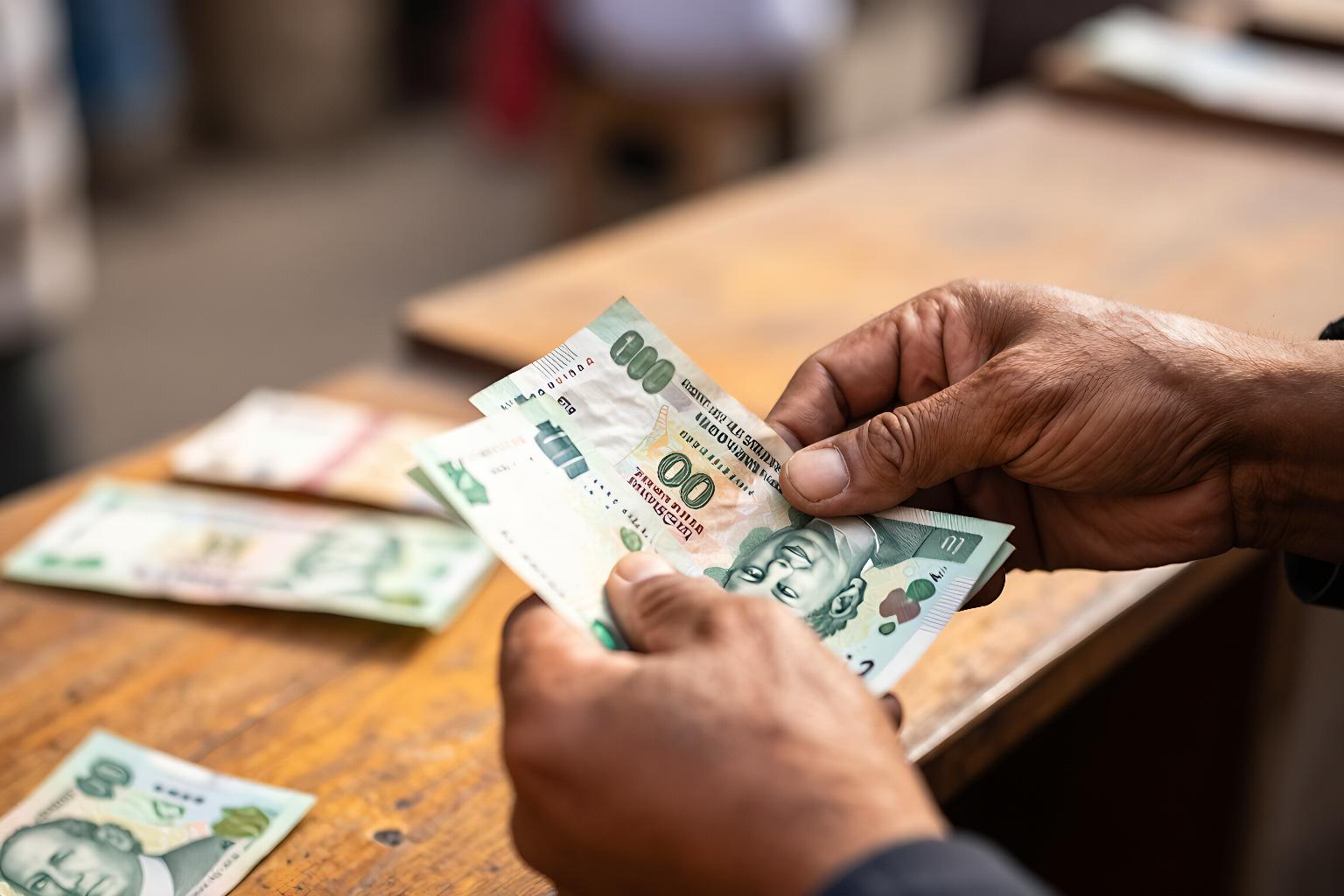
A freelancer in Pune invoices a client in Austin for $1,200. Before hitting send, she types "1 usd to inr calculator" into her phone and gets 83.42. She multiplies by 1,200, nods, and moves on. Three weeks later the money lands in her account and the figure is noticeably smaller than she planned for.
That gap is the whole story of currency conversion, and it shows up most clearly at the smallest possible unit. One dollar is where the quoted rate and the real rate begin to separate.
The figure a calculator returns is almost always the mid-market rate, sometimes called the interbank or wholesale rate. It sits halfway between the best bid and the best ask across large institutional trades, where millions of dollars change hands at a time. It is a genuine, tracked price. It is also a price that no individual gets on a normal transaction.
What the number on your screen really means goes deeper into how that midpoint gets calculated, but the short version is this: the mid-market rate is a benchmark, not an offer.
Banks and exchange houses buy dollars in bulk at roughly the mid-market price. When they sell those dollars to you, they add a margin. When they buy dollars from you, they shave the price. Either way, the distance between the mid-market figure and what you actually receive is where the business earns its money.
Open three converter tabs side by side and you'll see figures that disagree in the second decimal place. 83.38. 83.41. 83.47. Tiny differences, different sources behind them.
If you want to know why two sites can show two different totals for the identical conversion, the data feed and the refresh interval usually explain most of it.
Percentages get abstract quickly, so here is a concrete run. Say the mid-market rate is 83.40.
You're expecting $1,000 from overseas. Your bank buys dollars at 82.90. That's fifty paise per dollar, which sounds like nothing until you multiply it out: ₹500 gone before a single fee is charged. Add a wire handling charge of ₹750 and the effective rate on your money drops to roughly 82.15.
Now scale it back down. Converting one dollar at that same spread costs you fifty paise. Half a rupee. This is why the one-dollar figure always looks better than your actual experience. The spread is a percentage, and percentages don't care how small the base is until you multiply.
Direction matters too, and people mix it up constantly. When you buy dollars, the rate you pay is higher than mid-market. When you sell dollars, the rate you receive is lower. A calculator sitting on a search results page has no idea which one you're about to do.
Indian readers tend to think in lakhs, and the arithmetic changes shape at that scale. What ₹1,00,000 really turns into walks through a full conversion with realistic bank margins applied, and the shortfall is usually bigger than people expect. At 83.40 mid-market, one lakh rupees is about $1,199. At a retail sell rate of 84.10, you get roughly $1,189. Ten dollars, gone, on a transaction that took four clicks.
Currency markets run around the clock, five days a week, and USD/INR can drift 20 to 40 paise in a single session without any dramatic news. A rate you checked on Monday morning may not be the rate applied on Wednesday afternoon when the transfer settles.
This is the biggest single reason totals shift between the quote and the settlement. Why your total keeps changing explains how rate locks work in practice, but the useful takeaway is simple: ask whether the rate you're quoted is locked, and for exactly how long.
If you're using an Indian debit or credit card for an international purchase, the conversion is not done at mid-market. Most Indian cards apply a forex markup of 2% to 3.5%, plus 18% GST on that markup. A $1 app subscription renewed monthly doesn't feel like much, yet the markup applies to every single charge, and the tax applies to the markup on top.
Zero-markup cards exist and are worth comparing if you spend in dollars regularly. For occasional purchases, just know that the number your calculator shows will not be the number on your statement.
You don't need a calculator to catch a bad quote. Two quick moves:
If a provider quotes something well outside that band, ask why before you sign. A forex converter rate only helps you once you know whether you're looking at mid-market, a buy rate, or a sell rate.
Here's a trick worth running before any large transfer. Convert exactly $1 through the service you're considering, or request a live quote for the smallest amount they allow, then compare what you'd receive against the mid-market figure. The difference is that provider's true cost to you, spread and fee combined, expressed as a number you can line up against competitors directly.
A provider returning ₹82.10 on a mid-market rate of ₹83.40 is charging you 1.56%. One returning ₹83.05 is charging 0.42%. On a $5,000 transfer, that's a difference of roughly ₹4,750. Same calculator, same headline rate, very different outcomes.
Run the test on a quiet day rather than the morning of a central bank announcement, when every provider's quote widens at once and the comparison stops being fair. And keep the screenshot. If the final credited amount doesn't match what the quote implied, that image is the only record you'll have of what you were promised.
Slot ID: blog-post-bottom